House Central Air Conditioning Units: The Complete Guide
Understand how whole-home central air systems work, how to size them correctly, which efficiency ratings matter, and how to keep your unit running reliably for years.
Start LearningBuying a central air conditioner is a major decision. Unlike a window unit, a central system is tied to your home's ductwork, electrical panel, and long-term comfort. This guide walks you through every factor that matters — from how a split system works to which efficiency tier fits your climate — so you can choose with confidence and avoid common installation mistakes.
How House Central Air Conditioning Units Work
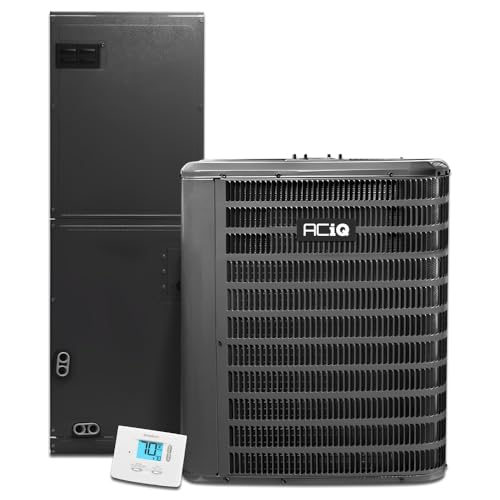
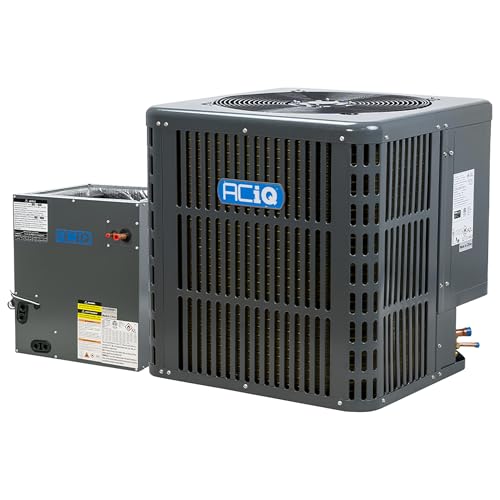
A central air conditioning system — also called a whole-home split system — cools your entire house from a single location. Unlike room air conditioners, it distributes conditioned air through a network of ducts. Understanding the components helps you evaluate what you are buying and how each part affects performance.
If you want a deeper technical breakdown, see our guide on how an air conditioner works. In short, the system relies on a refrigerant cycle: the indoor coil absorbs heat from your home's air, the outdoor condenser releases that heat, and the blower pushes cooled air through the ducts.
Outdoor Condenser Unit
Contains the compressor and condenser coil. Releases heat absorbed from your home into the outdoor air. This is the large unit you see outside.
Indoor Evaporator Coil
Mounted on the air handler or furnace. Absorbs heat and moisture from the air passing over it, producing cooled, drier air.
Air Handler / Blower
Circulates air through the ductwork. In many homes, the blower is part of the furnace, creating a shared air distribution system.
Ductwork
Supplies cooled air to rooms and returns warm air to the system. Leaky or undersized ducts can waste a large share of your cooling output.
Thermostat
The control interface. Modern programmable and smart thermostats can reduce runtime when the house is empty or asleep.
Refrigerant Lines
Connect the indoor and outdoor units. Proper line sizing and vacuuming during installation are critical for efficiency and longevity.
Key insight: A central air conditioner is only as good as its installation. Even a top-tier unit will underperform if the ductwork is leaky, the refrigerant charge is wrong, or the system is oversized for the house.
Types of Central Air Conditioning Systems
Not every "central" system is identical. The right choice depends on whether your home already has ducts, how much space you have outdoors, and how you want to handle heating and cooling together.
Split System (Most Common)
A split system pairs an outdoor condenser with an indoor air handler or furnace. It is the standard choice for homes with existing ductwork. It offers strong efficiency and a wide range of capacity options, making it suitable for everything from compact single-story homes to multi-story properties.
Packaged System
In a packaged unit, all components — compressor, condenser coil, evaporator coil, and blower — sit in a single outdoor cabinet. Packaged systems are common in homes without basements or where indoor mechanical space is limited. They can combine cooling and heating in one unit.
For a closer look at system categories, see our overview of house air conditioners and the house air conditioner condenser.
Ductless Mini-Split (When Ducts Are Absent)
If your house has no ductwork, a ductless mini-split can still deliver whole-home comfort through multiple indoor heads. It is not technically "central air" in the traditional sense, but it serves the same purpose. Our central AC units guide focuses on ducted systems, while a mini-split comparison is useful for older homes without ducts.
Heat Pump Systems
A central heat pump provides both cooling and heating using the same refrigerant cycle. In mild climates, it can replace a separate furnace and air conditioner. For homeowners looking at combined systems, a heat pump is often the more efficient long-term choice.
Sizing Your Central Air Conditioner Correctly
Sizing is the single most misunderstood part of buying a central air system. Contractors should perform a load calculation based on room dimensions, insulation, window area, orientation, occupancy, and local climate. An oversized unit cools too quickly, cycles on and off frequently, and fails to remove humidity properly. An undersized unit runs continuously and struggles on the hottest days.
A common rule-of-thumb is roughly 20 BTU per square foot of living space, but this is only a rough starting point. For a proper estimate, use a diagnostic approach or consult a professional load calculation. Homes with high ceilings, large west-facing windows, or poor insulation need more capacity than the rule suggests.
Approximate Capacity by Home Size
| Home Size (sq ft) | Approximate Capacity | Typical Application |
|---|---|---|
| 1,000 – 1,500 | 1.5 – 2 tons (18,000 – 24,000 BTU) | Small single-story homes |
| 1,500 – 2,200 | 2.5 – 3 tons (30,000 – 36,000 BTU) | Average family homes |
| 2,200 – 3,000 | 3.5 – 4 tons (42,000 – 48,000 BTU) | Larger single or two-story homes |
| 3,000 – 4,000 | 4.5 – 5 tons (54,000 – 60,000 BTU) | Large homes with multiple zones |
Important: These are approximate ranges. A professional Manual J load calculation is the only reliable way to size a system. Oversizing is more common than undersizing and often causes humidity problems and premature wear.
Efficiency Ratings: SEER, SEER2, and EER
Efficiency determines how much cooling you get per unit of electricity. The higher the rating, the less energy the system uses to deliver the same comfort. Since 2023, the U.S. Department of Energy has used SEER2, a more rigorous testing standard that better reflects real-world conditions.
What the Ratings Mean
- SEER2 (Seasonal Energy Efficiency Ratio): The primary rating for central AC systems. Higher is better. The minimum efficiency allowed varies by region.
- EER2 (Energy Efficiency Ratio): Measures efficiency at a single high-temperature test point. Useful for hot climates where the system runs at peak load often.
- HSPF2: Applies to heat pumps and measures heating efficiency across a season.
Efficiency Tiers at a Glance
| Tier | Typical SEER2 Range | Best For | Notes |
|---|---|---|---|
| Entry-Level | Minimum compliant | Mild climates, limited runtime | Meets code; simpler single-stage operation |
| Mid-Range | Moderately above minimum | Most homes in mixed climates | Often two-stage; better humidity control |
| Premium | High efficiency | Hot climates, long cooling seasons | Variable-speed compressors; quieter operation |
| Flagship | Top-tier efficiency | Energy-conscious homeowners | Highest upfront investment; lowest operating energy use |
Higher-tier systems generally use variable-speed compressors and more advanced controls. They cost more upfront but can reduce energy use meaningfully over a 10–15 year lifespan, especially in hot climates. If you are weighing a replacement, consider the age of your current unit — see how long an AC lasts — and whether a repair or replacement makes more sense.
For detailed explanations, read our guides on how inverter AC works and the broader house air conditioner overview.
Installation: What Homeowners Should Know
Central air installation is not a DIY project. It involves refrigerant handling (regulated by the EPA), electrical work, duct modifications, and precise charging. A poor installation can reduce efficiency by double digits and shorten equipment life.
Before Installation
- Verify the electrical panel capacity. Central systems typically require a dedicated 240V circuit. An electrician may need to upgrade the panel.
- Inspect ductwork. Leaky or undersized ducts should be sealed or redesigned before a new unit is installed. Otherwise, you pay for cooling that never reaches the rooms.
- Choose placement carefully. The outdoor condenser needs clearance for airflow and should not be boxed in by fences or vegetation.
- Get multiple quotes. Compare scope, not just the headline figure. A proper quote includes load calculation, duct inspection, line set, and permit handling.
During Installation
- Refrigerant lines must be properly sized and vacuumed to remove moisture and air.
- The system should be charged by weight or subcooling/superheat method — not guessed.
- Duct connections at the air handler must be sealed airtight.
- A new thermostat should be configured for the system type and home schedule.
After Installation
Ask the installer for the commissioning report: static pressure, refrigerant charge verification, and temperature split. Then test the system yourself by checking airflow in every room and monitoring how quickly the house reaches the setpoint on a hot day. Our guide on how to test a new AC walks through the checks.
Permit reminder: Most jurisdictions require a permit for central AC replacement or new installation. A reputable contractor will handle this. Skipping permits can complicate resale and insurance claims.
Maintenance That Protects Your Investment
Central systems are durable, but they need routine care. The most common causes of premature failure are dirty coils, clogged filters, and refrigerant leaks — all of which are manageable with consistent maintenance.
Homeowner Tasks (Monthly to Seasonally)
- Replace or clean the air filter every 1–3 months depending on pets and dust. A clogged filter strains the blower and reduces airflow.
- Clear debris around the outdoor unit. Keep at least two feet of clearance and rinse the condenser coil gently with a hose.
- Check the condensate drain. A clogged drain can cause water damage or trigger a safety shutoff.
- Keep supply and return vents unobstructed by furniture, rugs, or curtains.
Professional Tasks (Annually)
- Check refrigerant charge and inspect for leaks.
- Measure static pressure and verify airflow.
- Clean evaporator and condenser coils as needed.
- Inspect electrical connections and capacitors.
- Test safety controls and thermostat calibration.
If your system is not cooling properly despite basic maintenance, see our troubleshooting guide for a house that is not cooling from the air conditioner, and check the condenser for signs of debris or damage.
Humidity control is another important consideration. A properly sized central system removes moisture as it cools, but in very humid climates, supplemental dehumidification may help. Our resources on house humidification and lowering humidity in your house explain the balance.
Advantages and Limitations of Central Air
Advantages
- Whole-home comfort from a single system
- Consistent temperatures across rooms
- Filters air centrally, improving indoor air quality
- Out of sight indoors — no window obstruction
- Adds to home resale appeal
- Pairs with heating for a unified HVAC system
Limitations
- Requires existing ductwork or a duct installation project
- Higher upfront investment than room units
- Installation disruption during replacement
- Duct losses reduce efficiency if ducts are leaky
- Single-zone systems cannot tailor temperatures per room
Buying Checklist: What to Confirm Before You Choose
When you are ready to move from research to purchase, use this checklist to compare systems and contractors fairly.
- Load calculation provided. The contractor should show a Manual J or equivalent calculation, not just a rule of thumb.
- Efficiency tier matches your climate. Hot climates justify premium or flagship tier; mild climates may be well served by mid-range.
- Duct assessment included. Ask whether duct sealing or repair is part of the scope.
- Warranty terms in writing. Confirm coverage for compressor, parts, and labor separately.
- Permit and inspection handled. Verify the contractor pulls the required permit.
- Commissioning report delivered. Charge verification, static pressure, and temperature split should be documented.
- Maintenance plan offered. Annual service keeps efficiency stable and preserves warranty validity.
If your existing system is old and inefficient, compare the case for repair versus replacement. Our guide on AC turning on but not cooling helps diagnose whether a repair is worthwhile or whether replacement is the better path.
Frequently Asked Questions
How long does a central air conditioner last?
With proper installation and annual maintenance, a central system typically lasts 12–17 years. Units in harsh climates or with neglected filters may fail sooner. See our detailed article on how long an AC lasts.
Can I replace just the outdoor unit?
Technically yes, but it is not recommended unless the indoor coil and air handler are matched to the new condenser. Mismatched components reduce efficiency, can void warranties, and may not meet code. A matched system is the safer choice.
How often should I service my central AC?
Once per year, ideally in spring before the cooling season. Homeowners in hot climates may benefit from a mid-season check as well.
Why does my central AC run constantly but not cool the house?
Common causes include a clogged filter, low refrigerant, a failing compressor, or a duct leak. Start with the filter and thermostat, then consult a technician. Our guide on a house not cooling from the air conditioner covers the diagnostic steps.
Does central air also dehumidify?
Yes. As air passes over the cold evaporator coil, moisture condenses and drains away. However, an oversized system may cool too quickly to remove enough humidity. Proper sizing is essential for comfort in humid climates.
What is the difference between SEER and SEER2?
SEER2 uses a more realistic duct-pressure testing protocol introduced in 2023. SEER2 ratings are generally lower than the old SEER ratings for the same equipment. When comparing systems, only compare SEER2 to SEER2.
Can I add central air to a house with no ductwork?
Yes, but it requires a duct installation project, which adds significant scope. Alternatives include ductless mini-splits, which deliver zoned comfort without ducts. Evaluate both paths before committing.
How do I know if my ducts are leaking?
Signs include uneven room temperatures, high energy use, and dusty air. A contractor can perform a duct leakage test. Sealing ducts is often one of the highest-return improvements in an older home.
Ready to explore specific systems? Browse our curated selection of central air conditioning units below. Each listing is chosen to represent a different tier and capacity range so you can compare options that fit your home and climate.