HVAC and Air Duct Cleaning: A Complete Homeowner's Guide
Discover how professional duct and HVAC cleaning restores airflow, improves indoor air quality, and protects the efficiency of your heating and cooling system.
START LEARNINGWhy this matters: Your HVAC system moves hundreds of cubic feet of air through your home every hour. Over time, dust, pollen, pet dander, and moisture settle inside ducts and coils. Understanding how professional cleaning works helps you decide when service is worthwhile and what to expect from a qualified provider.
1. Why HVAC and Air Duct Cleaning Matters
An HVAC system is more than a box that heats and cools. It is a network of ducts, coils, blowers, and filters that continuously circulate air. Every time the system runs, particles are drawn into return ducts and pushed through supply lines. Over months and years, those particles accumulate on duct walls, in the blower housing, and across the evaporator coil.
This buildup matters for three reasons. First, restricted airflow forces the blower motor and compressor to work harder to deliver the same comfort, which increases energy consumption. Second, contaminated ducts can distribute dust, allergens, and microbial growth throughout living spaces. Third, neglected components wear out faster and are more prone to breakdowns.
Addressing duct hygiene is part of a broader maintenance strategy. Pairing duct cleaning with regular HVAC maintenance service and coil care keeps the entire system operating as designed. Homeowners who want a holistic approach often review their HVAC cleaning and service schedule alongside duct appointments so both are handled in one coordinated visit.
2. Signs Your Ducts and HVAC System Need Cleaning
Not every home needs immediate service, but certain signals indicate that accumulated debris is affecting performance. Watch for these indicators:
- Visible dust around registers: Dark streaks or dust puffs near vents after the system starts suggest debris is being pushed out of the ducts.
- Persistent musty or stale odors: Moisture in ducts or on the evaporator coil can encourage microbial growth that circulates through the home.
- Increased allergy or respiratory symptoms: If occupants notice more sneezing, congestion, or irritation when the HVAC runs, duct contamination may be a contributing factor.
- Uneven airflow between rooms: Partial blockages in supply or return runs can starve some rooms of conditioned air.
- Higher-than-usual energy consumption: Reduced airflow makes the system run longer to reach the thermostat setting.
- Recent renovation or pest activity: Construction dust, drywall particles, and rodent activity can leave significant debris inside ducts.
- Excessive dust settling on surfaces: When surfaces need dusting shortly after cleaning, the HVAC system may be recirculating particles.
If several of these signs appear together, it is worth scheduling an inspection. A technician can assess duct condition, coil cleanliness, and airflow before recommending the appropriate service scope. For systems with signs of coil fouling, a focused evaporator coil cleaning may be recommended alongside duct work.
3. How Professional HVAC and Air Duct Cleaning Works
A thorough cleaning follows a defined sequence. Each step builds on the previous one so debris is contained and removed rather than redistributed.
Step 1: Inspection and Assessment
The technician inspects ductwork layout, insulation condition, register placement, and the air handler. This assessment identifies problem areas, confirms access points, and checks for disconnected or damaged duct sections that would undermine the cleaning effort.
Step 2: System Preparation
Registers and grilles are removed, and the system is set up for negative pressure. A high-powered vacuum connects to the main trunk line, creating suction that pulls loosened debris toward the collection point instead of into living spaces.
Step 3: Mechanical Agitation
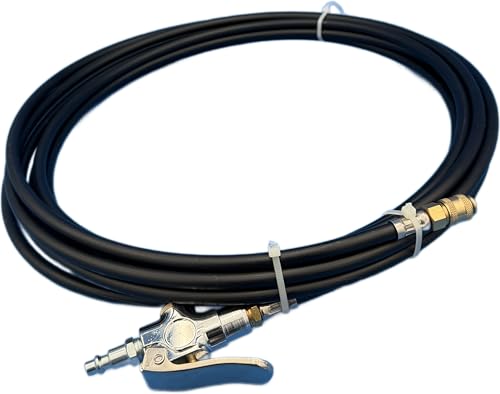
Rotary brushes, whips, and compressed air tools travel through supply and return ducts to dislodge adhered dust and debris. This agitation is what separates a surface wipe-down from genuine deep cleaning.
Step 4: Component Cleaning
The blower wheel, motor housing, evaporator coil, and drain pan are cleaned in place or accessed through service panels. These components are often the largest reservoirs of accumulated contamination.
Step 5: Sanitizing (Optional)
Where microbial growth or odors are present, an EPA-registered sanitizer may be applied to treated surfaces. This step is optional and should be discussed based on inspection findings.
Step 6: Final Verification
Registers are reinstalled, airflow is checked, and the technician confirms that the system operates correctly. A written summary of work performed helps homeowners track service history.
4. Equipment and Methods Used in Duct Cleaning
Professional duct cleaning relies on specialized equipment. Understanding these tools helps you evaluate whether a provider is equipped for the job.
| Tool or Method | Purpose | Typical Use |
|---|---|---|
| Negative pressure vacuum | Creates suction to contain loosened debris | Connected to main trunk during cleaning |
| Rotary brush system | Dislodges adhered dust from duct walls | Supply and return runs |
| Air whip | Uses compressed air jets to agitate debris | Flexible duct sections |
| HEPA vacuum | Captures fine particles during component cleaning | Air handler, blower, coil surfaces |
| Video inspection camera | Confirms cleanliness and identifies hidden damage | Pre- and post-cleaning verification |
| Sanitizing fogger | Applies EPA-registered sanitizer where needed | Optional treatment for microbial growth |
Quality providers use a combination of negative pressure and mechanical agitation. Equipment alone is not sufficient; technique and thoroughness determine results. Providers who offer air duct sealing alongside cleaning can also address leaks discovered during inspection.
5. Benefits of HVAC and Air Duct Cleaning
Improved Indoor Air Quality
Ducts act as the delivery network for conditioned air. When they contain accumulated dust, dander, and microbial growth, those particles can become airborne in living spaces. Cleaning reduces the reservoir of contaminants and supports cleaner air throughout the home.
Better Energy Efficiency
Clean ducts and coils allow air to move with less resistance. The blower runs closer to its designed performance curve, and the compressor experiences less strain. Over time, this can translate into more efficient operation and a lighter load on the system.
Extended Equipment Lifespan
Mechanical components degrade faster when they operate against restricted airflow or with contaminated coils. Regular cleaning supports a longer service life, reducing the chance of premature replacement.
More Consistent Comfort
When supply ducts are clear, conditioned air reaches every room at the intended volume. This reduces hot and cold spots and helps the thermostat maintain a more uniform temperature.
Odor Reduction
Stale or musty odors often originate from moisture and microbial growth inside ductwork or on the evaporator coil. Cleaning and sanitizing those surfaces removes the source of the smell.
Early Detection of Problems
Inspection during cleaning can reveal disconnected ducts, damaged insulation, or pest intrusion. Catching these issues early avoids larger repairs and preserves system performance.
These benefits compound when duct cleaning is combined with regular maintenance. Homeowners who schedule preventative maintenance and duct service together often see the most consistent results.
6. How Often Should You Schedule HVAC and Air Duct Cleaning?
There is no single schedule that fits every home. Frequency depends on household conditions, system type, and environmental factors.
| Home Situation | Suggested Interval | Reason |
|---|---|---|
| Typical home with no special factors | Every 3–5 years | Standard accumulation rate |
| Homes with pets | Every 2–3 years | Pet dander and hair accumulate faster |
| Allergy or asthma sufferers | Every 1–2 years | Reduced airborne irritants support comfort |
| After major renovation | Immediately, then reassess | Construction dust and debris enter ducts |
| Homes with water damage history | Immediately, then every 1–2 years | Moisture can encourage microbial growth |
| Newly purchased older home | At move-in | Unknown prior maintenance history |
Filter maintenance complements cleaning frequency. Replacing filters on schedule reduces the rate at which debris reaches the coil and ducts. Homeowners who want a full picture of system care can review HVAC and air conditioning guidance alongside duct service planning.
7. DIY vs Professional Duct Cleaning
Homeowners can handle some surface-level tasks, but deep cleaning requires equipment and access that most households do not have. Understanding the boundary helps set realistic expectations.
What Homeowners Can Do
- Remove and wash register covers and grilles.
- Vacuum visible dust around vents with a brush attachment.
- Replace air filters on schedule.
- Keep return grilles unobstructed by furniture.
- Wipe down accessible surfaces of the air handler cabinet.
What Requires Professional Service
- Cleaning the interior of supply and return ducts.
- Agitating adhered debris with rotary tools.
- Cleaning the blower wheel and evaporator coil safely.
- Inspecting ductwork with video equipment for hidden damage.
- Applying sanitizers where microbial growth is present.
- Identifying disconnected or leaking duct sections.
DIY attempts with consumer vacuums can stir up debris without capturing it, potentially worsening indoor air quality temporarily. For thorough results, professional service is the practical choice. Homeowners comparing options can look at HVAC experts and local HVAC providers to find qualified technicians in their area.
8. Choosing a Qualified Duct Cleaning Provider
Not every company that advertises duct cleaning delivers the same level of service. These criteria help separate thorough providers from superficial ones.
- NADCA certification: Certification from the National Air Duct Cleaners Association indicates adherence to recognized standards and technician training.
- Negative pressure equipment: A provider should use a vacuum system that contains debris rather than blowing it into living spaces.
- Source removal approach: Genuine cleaning removes contaminants from the source; it does not rely on chemical sprays alone.
- Inspection before cleaning: A reputable provider inspects first and explains findings before recommending scope.
- Clear written estimate: The proposal should specify what will be cleaned, which components are included, and any optional treatments.
- Insurance and licensing: Confirm the company carries liability insurance and any required local licensing.
- References and reviews: Look for consistent feedback about thoroughness and professionalism.
Be cautious of providers who quote very low figures before inspection or who pressure for immediate decisions. A quality provider is willing to explain the process and let you make an informed choice. For broader system work, reviewing HVAC contracting guidance helps homeowners evaluate contractor qualifications.
9. Maintenance Habits That Support Cleaner Ducts
Cleaning is most effective when paired with ongoing habits that reduce debris accumulation.
Filter Care
Replace or clean filters according to manufacturer guidance. A clogged filter reduces airflow, increases energy use, and allows more debris to bypass into the coil and ducts.
Humidity Control
Keep indoor humidity within a reasonable range. Excess moisture encourages microbial growth on coils and duct surfaces. Homeowners can review good humidity level for a home to set appropriate targets.
Duct Sealing
Leaky ducts draw in unconditioned air and particles from attics, crawlspaces, and wall cavities. Sealing leaks reduces contamination entry and improves efficiency. This is often combined with cleaning for best results.
Regular Inspections
Annual inspections catch small issues before they become significant. Technicians can spot moisture intrusion, pest activity, or disconnected sections that undermine air quality.
Prompt Repair
If you notice unusual odors, airflow changes, or system performance issues, address them promptly. Early intervention prevents small problems from spreading contamination through the system.
For systems that also include heating components, coordinating duct service with HVAC and heating maintenance keeps both sides of the system in good condition.
10. Frequently Asked Questions
How often should HVAC and air ducts be cleaned?
Most homes benefit from professional cleaning every three to five years. Homes with pets, allergy sufferers, or recent renovations may need service more frequently. An inspection helps determine the right interval for your situation.
Does duct cleaning really improve air quality?
Yes. Removing accumulated dust, debris, and microbial growth from ducts and HVAC components reduces the particles circulating through your home. Many homeowners notice a difference in dust levels and respiratory comfort.
Can duct cleaning lower energy usage?
Clean ducts and coils allow airflow to move freely, so the blower and compressor work less. This improved efficiency can reduce energy consumption over time, especially when combined with regular filter changes.
What does a professional duct cleaning include?
A thorough service covers supply and return ducts, registers, grilles, the air handler, evaporator coil, blower, and drain pan. Providers typically use negative pressure and rotary brush equipment to remove contaminants at the source.
Is DIY duct cleaning a good idea?
Light surface cleaning of registers is fine for homeowners, but deep cleaning requires specialized equipment and access to internal components. Professional service is recommended for thorough results and to avoid redistributing debris.
Will duct cleaning damage my ductwork?
When performed by a qualified technician using appropriate equipment, duct cleaning is safe. Providers should inspect duct condition first and use techniques suited to the duct material, especially for flexible or older ductwork.
How long does a typical cleaning take?
Duration depends on home size, duct layout, and system condition. A typical single-family home takes a few hours. Larger homes or systems with significant contamination may require more time.
Final Thoughts
HVAC and air duct cleaning is a worthwhile part of home maintenance when performed by a qualified provider. It restores airflow, supports indoor air quality, and helps mechanical components operate closer to their designed efficiency. Combined with regular filter changes, humidity control, and periodic inspections, duct cleaning protects both comfort and equipment longevity.
If your system shows signs of contamination or it has been several years since the last service, schedule an inspection. A thorough assessment will clarify whether cleaning is needed and what scope makes sense for your home. Homeowners planning broader system improvements can also explore HVAC and heat pump options for long-term efficiency.
Review the FAQ