HVAC Blower Wheel Replacement: What to Expect
Understand the warning signs of a failing blower wheel, how replacement works, and how to plan the job with confidence — before you commit to a repair.
Quick takeaway: The blower wheel is the part that pushes conditioned air through your ducts. When it cracks, warps, or becomes badly unbalanced, airflow drops and noise increases. Replacement is a targeted repair — not a full system change — and choosing the right service tier matters more than chasing a headline number.
What the HVAC Blower Wheel Actually Does
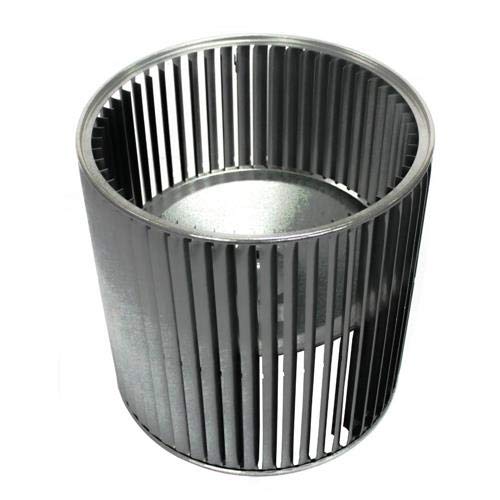
The blower wheel — sometimes called a squirrel cage fan — sits inside the air handler or furnace. It spins inside a housing and draws air across the evaporator coil, then pushes that conditioned air into the ductwork. Every room in your home depends on this single component moving air efficiently.
Because the wheel runs continuously during cooling and heating cycles, it accumulates dust, pet hair, and debris over time. It also experiences vibration and mechanical stress. When the fins bend, cracks form, or the wheel loses balance, the whole system suffers: weaker airflow, higher energy use, and a motor that works harder than it should.
If you are already troubleshooting airflow problems, it helps to understand the wider system first. Our guide on energy-efficient HVAC systems explains how the blower, coil, and ductwork interact — useful context before deciding whether the wheel itself is the root cause.
Signs Your Blower Wheel Needs Attention
Not every airflow complaint means a new wheel. A technician typically checks the wheel, motor, capacitor, and ductwork before recommending replacement. These are the most common signals:
- Weak airflow from vents even when the filter is clean and the system is running.
- Rattling, scraping, or grinding noises coming from the air handler cabinet.
- Visible damage to the fins — cracks, bends, or missing sections.
- Persistent vibration that does not settle after cleaning and balancing.
- Motor strain, including overheating or frequent capacitor failures.
- Uneven cooling between rooms that cannot be traced to ducts or zoning.
If your system is running but not delivering cold air, the blower wheel may be one of several possible causes. Our article on why the AC fan runs but no cold air arrives walks through a broader diagnostic checklist so you can rule out refrigerant and compressor issues before focusing on the blower.
Cleaning vs. Replacement: Which Path Fits Your System
A dirty wheel is not the same as a damaged wheel. In many cases, a thorough cleaning and rebalancing restores airflow without replacing the part. Replacement becomes the right call when the wheel is structurally compromised or cannot be balanced.
| Condition | Recommended Action | Typical Service Tier |
|---|---|---|
| Dust and debris buildup, no visible damage | Professional cleaning and rebalancing | Essential tier |
| Minor bent fins with stable balance | Careful cleaning plus inspection of motor and capacitor | Essential tier |
| Cracked or warped wheel, persistent vibration | Full wheel replacement | Mid-tier |
| Wheel damage plus worn motor or housing issues | Blower assembly service including motor evaluation | High-end tier |
| Commercial or heavy-duty rooftop unit | Professional-grade service with balancing verification | Commercial-grade |
Tiers describe the relative scope and complexity of the service, not a specific figure. A technician can confirm the correct tier after inspection.
How the Replacement Process Works
Understanding the steps helps you ask better questions and avoid surprises. Most technicians follow a similar sequence:
- Diagnosis: Verify airflow readings, inspect the wheel visually, and test the motor and capacitor.
- Power isolation: Shut off power at the disconnect and confirm the system is safe to service.
- Access: Open the air handler cabinet and remove the blower assembly where required.
- Wheel removal: Detach the wheel from the motor shaft, noting alignment and set screws.
- Replacement: Install the correct wheel, confirm fit and alignment, and tighten to specification.
- Reassembly and testing: Restore the assembly, run the system, and verify airflow, noise, and vibration.
Because the blower assembly connects to electrical components and must be aligned precisely, this is not a casual DIY task. If you are weighing whether to involve a professional, our overview of central air repair explains when a technician visit is the safer route.
Service Tiers: What Changes at Each Level
Cleaning & Inspection
Best for wheels that are dirty but structurally sound. Includes cleaning, rebalancing checks, and a motor inspection. Often resolves mild airflow complaints.
Standard Wheel Replacement
Best for cracked or warped wheels with no other component damage. Covers removal, replacement, reassembly, and airflow verification.
Blower Assembly Service
Best when wheel damage coincides with motor wear or housing issues. Broader scope, longer service window, and more detailed post-repair testing.
Higher tiers are not automatically better — they simply match more complex conditions. A mid-tier wheel replacement is usually the right fit for a single cracked wheel, while a high-end tier makes sense when the motor or housing also needs attention. If you are also evaluating related system upgrades, our comparison of local heating and air conditioning companies can help you shortlist providers who handle both repairs and system assessments.
What Affects the Scope of the Job
Two identical-looking symptoms can lead to different service scopes. The main variables are:
- System age and type: Older air handlers may need more careful handling during disassembly.
- Access and location: Attic, closet, and rooftop installations affect labor time and complexity.
- Wheel condition: A clean break is simpler than a warped wheel that has damaged the housing.
- Motor and capacitor health: If these components are near end of life, bundling service can be more efficient in the long run.
- Ductwork condition: Leaky or restricted ducts can mimic blower problems, so a full airflow check is worthwhile.
If duct issues are part of the picture, our guide on HVAC ductwork installation covers how duct design and sealing affect blower performance. For homes with persistent airflow problems, air duct sealing is often a complementary step after blower service.
When to Call a Professional
Blower wheel replacement involves electrical disconnects, precise alignment, and verification of airflow and vibration. If you notice any of the following, stop using the system and book a technician:
- Loud scraping or grinding that continues after the system starts.
- Burning smells or visible motor overheating.
- Repeated capacitor failures.
- Airflow that drops significantly despite a clean filter.
- Visible cracks or missing fins on the wheel.
For homeowners comparing providers, our article on heating and cooling contractors explains what credentials and service scopes to look for. If the blower issue is part of a broader performance problem, it may also be worth reviewing heating and cooling services in your area to compare options.
Preventative Maintenance That Extends Wheel Life
Replacement is sometimes unavoidable, but regular care reduces the odds of premature failure:
- Replace air filters on schedule — a clogged filter forces the blower to work harder.
- Schedule an annual inspection that includes blower cleaning and balance checks.
- Keep the air handler area clean and free of debris.
- Address unusual noises early, before vibration damages the motor.
- Verify duct sealing and insulation to reduce strain on the blower.
Our related guide on cleaning air conditioner coils complements blower maintenance — clean coils and a clean blower together deliver the best airflow and efficiency.
Planning a blower repair? Compare feature sets and service tiers before you book. The right scope for your system depends on wheel condition, motor health, and duct performance — a technician inspection confirms the correct path.
Explore Replacement OptionsFrequently Asked Questions
How do I know if my HVAC blower wheel needs replacement?
Common signs include weak airflow, rattling or scraping sounds, visible cracks or bent fins, and vibration that worsens over time. A professional inspection confirms whether cleaning, balancing, or full replacement is the right path.
Can a dirty blower wheel be cleaned instead of replaced?
Yes. If the wheel is intact and only coated with dust or debris, a thorough cleaning and rebalancing often restores performance. Replacement is usually reserved for cracked, warped, or unbalanced wheels that cannot be corrected.
Is blower wheel replacement a DIY job?
It is best left to a qualified HVAC technician. The blower assembly involves electrical connections, precise alignment, and balancing. Improper installation can cause vibration, premature motor wear, and reduced airflow.
How long does a blower wheel replacement take?
Most replacements are completed within a few hours, depending on system access and whether the motor or housing also needs attention. A technician can give a more precise timeframe after inspection.
Will a new blower wheel improve energy efficiency?
A balanced, clean wheel reduces strain on the motor and helps restore designed airflow, which supports efficient operation. The full efficiency picture also depends on coil condition, duct sealing, and thermostat settings.