HVAC Distributors: The Complete Sourcing Guide
Understand how the HVAC distribution chain works, what to look for when selecting a distributor, and how to source equipment and supplies at the right tier for your project.
EXPLORE THE GUIDEWho this guide is for: HVAC contractors, facility managers, procurement specialists, and trade professionals who need a reliable channel for purchasing equipment, parts, and supplies. If you are a homeowner researching an installation, this page explains the supply chain behind your contractor's quote.
What Is an HVAC Distributor?
An HVAC distributor is an intermediary business that purchases heating, ventilation, and air conditioning equipment and supplies from manufacturers in large volumes, warehouses them, and resells them to contractors, dealers, and installers. Distributors are the backbone of the HVAC equipment distribution network, bridging factories and job sites.
Unlike a dealer that works directly with end customers, a distributor operates at the wholesale level. Their customers are typically licensed professionals who install systems in residential and commercial buildings. Distributors also provide technical support, warranty administration, and logistics that keep projects on schedule.
Distributor vs. Dealer vs. Contractor: Key Differences
| Role | Primary Function | Typical Customer | Best For |
|---|---|---|---|
| Distributor | Wholesale stocking, logistics, warranty support | Contractors, dealers, installers | Bulk equipment and parts sourcing |
| Dealer | Retail sales, installation, service | Homeowners, business owners | Turnkey system replacement |
| Contractor | Installation, maintenance, repair | Residential and commercial clients | Project execution and service |
Many distributors also operate counter-sales divisions where contractors can walk in and purchase parts directly. These counters are essential for urgent repairs when a job cannot wait for delivery. For broader context on where contractors fit, see our overview of HVAC contractors.
What HVAC Distributors Stock
The product portfolio of a typical distributor spans every major category in the trade. The breadth of inventory is one of the most important criteria when evaluating a supply partner, because a single missing component can stall a job.
Air Conditioners & Heat Pumps
Split systems, packaged units, ductless mini-splits, and heat pumps across entry-level to high-end tier lines. Distributors often carry multiple manufacturer brands to cover different project specifications.
Furnaces & Air Handlers
Gas, electric, and modulating furnaces plus air handlers. Commercial-grade lines are stocked alongside mid-tier residential options for mixed portfolios.
Coils, Compressors & Motors
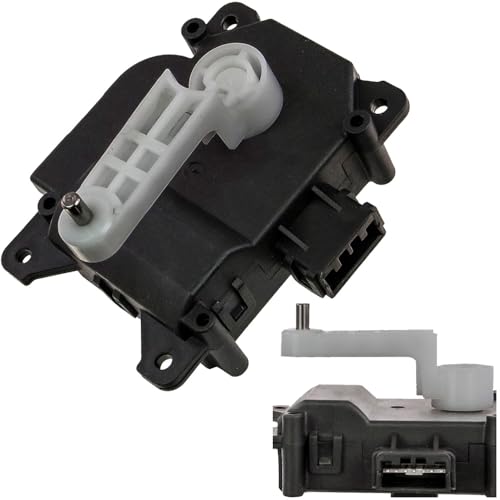
Evaporator coils, condenser coils, compressors, blower motors, and fan assemblies. These are the highest-turnover replacement parts in the trade.
Controls & Thermostats
Programmable and smart thermostats, control boards, contactors, relays, and sensors. Distributors increasingly stock connected controls for modern systems.
Ductwork & Ventilation
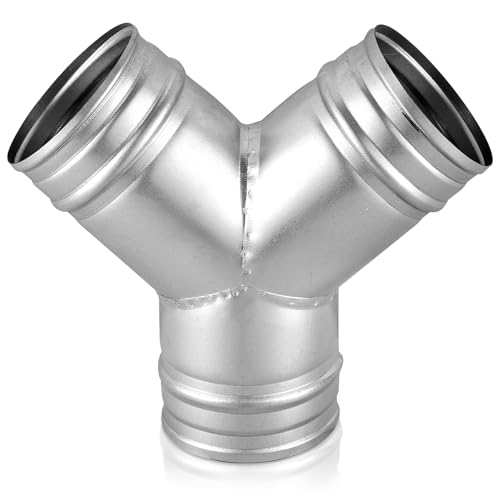
Flex duct, rigid duct, fittings, registers, grilles, and dampers. See related HVAC ductwork supplies for specification details.
Refrigerants & Linesets
Refrigerant cylinders, linesets, filter driers, and vacuum pump accessories. Compliance with current refrigerant regulations is a key distributor responsibility.
Filters & Maintenance Items
Air filters, belts, cleaning chemicals, and coil cleaner. Distributors often bundle these into maintenance plan packages for contractors.
Commercial & Specialty Units
Rooftop units, CRAC units for server rooms, make-up air units, and other commercial-grade equipment. These often require longer lead times and dedicated account management.
How to Evaluate an HVAC Distributor
Choosing the right distributor is a strategic decision that affects job profitability, warranty resolution speed, and customer satisfaction. The following criteria should be assessed before opening an account.
1. Product Portfolio and Brand Coverage
A strong distributor carries multiple brands and tiers so you can match equipment to each project. A mid-range residential replacement needs different equipment than a commercial-grade rooftop installation. Look for distributors that clearly segment their catalog by tier — entry-level, mid-tier, and high-end — so you can make fast, informed selections. Our HVAC buying guide explains how equipment tiers map to real-world applications.
2. Inventory Depth and Availability
Ask about stock levels for the components you use most. Distributors with deep local inventory reduce job delays. Regional warehouses and multiple branch locations improve fill rates. If a distributor frequently backorders common parts, your crews will lose billable hours.
3. Warranty and Return Policies
Warranty administration is where distributors add real value. A distributor that handles manufacturer warranty claims on your behalf saves you paperwork and customer friction. Clarify return windows for unused equipment, restocking policies, and how defective parts are credited. These terms matter more than the tier of the product line you purchase.
4. Technical Support and Training
Distributors often employ factory-trained technical representatives who can troubleshoot installations and advise on system design. Many also host manufacturer training sessions. Access to this expertise is a meaningful differentiator, especially for complex commercial-grade installations or new refrigerant transitions. Related reading: HVAC design guide.
5. Logistics and Delivery
Delivery reliability directly impacts project scheduling. Evaluate whether the distributor offers same-day or next-day delivery, job-site drop-off, and equipment handling for heavy units. For contractors working across a wide service area, branch proximity and fleet capacity are decisive factors.
6. Licensing, Insurance, and Compliance
Reputable distributors maintain proper licensing and insurance. They also comply with refrigerant regulations, including certification requirements for handling and selling regulated refrigerants. Verify that your distributor follows HVAC building codes and current environmental rules before establishing a relationship.
Understanding Equipment Tiers in the Distribution Chain
Distributors organize their catalogs around quality tiers. Understanding these tiers helps you specify equipment that matches each project's requirements without over- or under-building the system.
| Tier | Typical Characteristics | Best For |
|---|---|---|
| Entry-Level | Standard efficiency, basic controls, solid build quality | Rental properties, light-duty replacements, tight-scope projects |
| Mid-Range | Higher efficiency, quieter operation, improved warranty terms | Primary residences, small commercial spaces, long-hold properties |
| Premium / High-End | Variable-speed compressors, advanced controls, enhanced durability | Custom homes, energy-conscious clients, premium retrofits |
| Commercial-Grade | Heavy-duty construction, extended runtime ratings, serviceable design | Retail, offices, hospitality, continuous-operation environments |
A well-stocked distributor carries all four tiers and can advise on trade-offs. For a deeper look at how equipment quality translates to system performance, see our HVAC equipment reference.
Distributor vs. Direct Purchase: What to Consider
Some contractors explore buying directly from manufacturers or through online marketplaces. Each channel has trade-offs worth understanding.
- Distributor channel: Local inventory, technical support, warranty handling, and credit terms. Best for contractors who value speed and service over the lowest unit acquisition tier.
- Direct purchase: Usually reserved for large-volume buyers with established manufacturer relationships. Offers limited local support and longer lead times for common parts.
- Online marketplaces: Useful for consumables and hard-to-find parts, but warranty coverage and authenticity can be uncertain. Not recommended for primary equipment purchases.
For most contractors, a hybrid approach works best: a primary distributor relationship for core equipment and a secondary source for specialty parts. See also HVAC direct purchasing considerations.
Regional vs. National Distributors
National distributors offer standardized processes, broad brand access, and strong e-commerce platforms. Regional and local distributors often provide faster response times, more flexible credit arrangements, and deeper knowledge of local code requirements and climate-driven equipment needs.
Many contractors maintain accounts with both. A national distributor handles major equipment orders and warranty claims, while a local distributor fills urgent counter needs and provides on-the-ground technical advice. If you are searching for nearby options, our guide on HVAC dealers in my area explains how to vet local supply partners.
Building a Productive Distributor Relationship
The strongest contractor-distributor relationships are built on predictable volume, clear communication, and mutual trust. Practical steps include:
- Consolidate purchases: Concentrating volume with one or two distributors often unlocks better credit terms and priority allocation during shortages.
- Forecast project pipelines: Sharing upcoming project schedules helps distributors reserve inventory and avoid backorders.
- Use their technical resources: Attend training sessions and consult technical representatives early in system design to avoid installation rework.
- Document warranty claims properly: Clear records speed up resolutions and strengthen your standing with the distributor.
- Review terms annually: Revisit credit limits, delivery agreements, and return policies as your business grows.
For contractors scaling operations, distributor partnerships also open access to financing programs and business support. Related reading: HVAC businesses and HVAC maintenance plans.
Common Mistakes When Selecting a Distributor
- Choosing solely on unit acquisition tier: The lowest-tier equipment source often lacks warranty support and technical depth, costing more in rework and delays.
- Ignoring return policies: A generous return window can save significant project friction when specifications change mid-job.
- Over-reliance on a single distributor: Supply disruptions happen. Maintaining a backup source protects your schedule.
- Neglecting training access: New refrigerants and connected controls evolve quickly; distributors that invest in training keep your team current.
- Failing to verify compliance: Purchasing regulated refrigerants from non-compliant sources creates legal and safety exposure.
Ready to Source Equipment for Your Next Project?
Explore our recommended HVAC equipment and supply options, curated for contractors and trade professionals.
VIEW RECOMMENDATIONSFrequently Asked Questions
What is the difference between an HVAC distributor and a dealer?
An HVAC distributor operates at the wholesale level, stocking large inventories and supplying equipment to contractors, dealers, and installers. A dealer typically works directly with end customers, offering installation and service, and sources products through distributors.
How do I evaluate an HVAC distributor before partnering with them?
Evaluate their product portfolio breadth, warranty support, return policies, technical assistance availability, delivery logistics, and whether they carry commercial-grade and mid-tier lines. Request references from contractors and confirm their licensing and insurance.
Can homeowners buy directly from HVAC distributors?
Most distributors sell exclusively to licensed contractors and trade professionals. Some distributors operate counter-sales divisions that may serve homeowners for parts and supplies, but full equipment purchases usually require a licensed contractor account.
What types of HVAC equipment do distributors typically stock?
Distributors stock a wide range including air conditioners, heat pumps, furnaces, air handlers, ductwork supplies, refrigerants, controls, thermostats, filters, linesets, and replacement components ranging from entry-level to commercial-grade tiers.
Do distributors provide technical support?
Yes. Most reputable distributors employ factory-trained technical representatives and host manufacturer training sessions. This support is especially valuable for complex installations, new refrigerant transitions, and connected control systems.