
HVAC Businesses: How to Find, Vet, and Choose the Right Contractor
Understand how HVAC businesses operate, what to look for in a contractor, how licensing and insurance protect you, and how to compare service tiers so you can confidently hire the right team for your home or building.
START LEARNINGResearch-first approach: Most visitors who land on this page are already comparing HVAC businesses and want a trustworthy framework for choosing one. This guide walks you through how HVAC businesses operate, what credentials matter, and how to evaluate proposals objectively before you commit.
What HVAC Businesses Do
HVAC businesses install, repair, and maintain the heating, ventilation, and air conditioning systems that keep buildings comfortable and healthy. Their work spans far beyond swapping out a filter. A full-service HVAC company handles system design, load calculations, equipment selection, ductwork, refrigerant handling, electrical connections, and ongoing maintenance. Understanding this scope helps you distinguish a genuine full-service contractor from a one-service operator who only handles a narrow slice of the work.
Typical services offered by HVAC businesses include:
- Installation and replacement of air conditioners, furnaces, heat pumps, and complete systems.
- Repair and diagnostics for breakdowns, performance problems, and unusual noises or odors.
- Preventive maintenance such as coil cleaning, filter replacement, and refrigerant charge checks.
- Ductwork design and repair to improve airflow and reduce energy waste.
- Indoor air quality services including humidifiers, dehumidifiers, and ventilation systems.
- Controls and zoning for smart thermostats and multi-zone comfort systems.
Because HVAC systems sit at the intersection of mechanical work, electrical work, and building science, reputable businesses stay current with regional codes and manufacturer specifications. If you want a deeper background on how the equipment itself works, our overview of HVAC and air conditioning fundamentals is a useful companion read.
Types of HVAC Businesses
Not every HVAC company is structured the same way, and knowing the categories helps you match your project to the right provider. The table below summarizes the main types of HVAC businesses and what they are best suited for.
| Business Type | Primary Focus | Best For |
|---|---|---|
| Residential HVAC contractor | Homes, apartments, small spaces | Split systems, heat pumps, ductwork in living areas |
| Commercial HVAC contractor | Offices, retail, warehouses, multi-story buildings | Rooftop units, chillers, zoning systems, code compliance |
| Installation specialist | New system design and replacement | Full system upgrades, new construction projects |
| Service and repair company | Breakdowns, diagnostics, tune-ups | Emergency repairs, seasonal maintenance |
| Ductwork and air quality specialist | Duct sealing, cleaning, ventilation | Airflow problems, indoor air quality improvements |
| Maintenance-plan provider | Recurring scheduled service | Long-term system reliability and efficiency |
Some companies operate across several categories, while others deliberately specialize. A specialist can be an excellent choice when your need is narrow, such as ductwork repair or HVAC cleaning. For a complete system replacement, a full-service contractor with installation and service capabilities is usually the safer bet. If you are evaluating commercial work specifically, our guide to HVAC for commercial buildings covers the additional requirements those projects carry.
Residential vs. Commercial HVAC Businesses
Residential HVAC businesses are built around the rhythms of home comfort: seasonal tune-ups, emergency repairs during heat waves or cold snaps, and replacements timed around equipment lifespan. Commercial HVAC businesses operate at a different scale. They handle larger tonnage, more complex controls, and stricter maintenance schedules because downtime in a commercial building affects employees, customers, and revenue. When you hire, confirm the contractor has direct experience with your building type — residential expertise does not automatically translate to commercial work, and vice versa.
How to Vet an HVAC Contractor
Vetting an HVAC business is mostly about verifying claims. Any contractor can advertise broad experience, but only a properly credentialed business can back it up with documentation. Use the checklist below as a screening framework before you invite anyone to your property.
License Verification
Ask for the license number and confirm it with your state or local licensing board. Requirements vary by region, and some jurisdictions require separate licenses for installation versus repair.
Insurance Coverage
Request a certificate of general liability and workers' compensation insurance. Call the insurer to verify the policy is active — this protects you if an accident happens on your property.
Written Estimates
A professional HVAC business provides a written proposal that itemizes equipment, labor, permits, and any optional add-ons. Verbal estimates are not sufficient for comparison.
References and Reviews
Look for recent, verifiable reviews and ask for references from jobs similar to yours. Independent review platforms and local word of mouth are both worth checking.
Manufacturer Certifications
Factory-authorized dealers often have access to extended warranties and manufacturer-backed training. Certification status is usually listed on the contractor's website or provided on request.
Permits and Code Compliance
Reputable contractors pull the required permits and schedule inspections. Skipping permits can create problems later during resale or insurance claims. Our guide to HVAC building codes explains why this matters.
Our detailed article on HVAC license and insurance requirements goes deeper into how to verify credentials in different jurisdictions. If you are at the early stage of gathering names, finding an HVAC contractor near you is a practical starting point, while how to get an HVAC quote walks you through what a complete proposal should contain.
Service Tiers and What They Mean
HVAC businesses position themselves across different market tiers. Instead of framing these in currency terms, it helps to think in terms of capability, materials, and depth of service. The classification below uses a consistent tier system that applies across the industry.
| Service Tier | Typical Characteristics | Best For |
|---|---|---|
| Essential tier | Core repairs and replacements, standard equipment lines, basic scheduling | Straightforward repairs, standard residential replacements |
| Mid-range tier | Broader equipment selection, established service departments, maintenance plans | Most homeowners wanting balance between capability and support |
| High-end tier | Premium equipment brands, advanced diagnostics, dedicated project managers | Complex installs, whole-home comfort systems, high-performance homes |
| Commercial-grade | Large-tonnage systems, controls integration, strict maintenance contracts | Commercial buildings, multi-zone facilities, critical environments |
| Professional-grade | Specialized engineering, load calculations, commissioning and documentation | New construction, major retrofits, complex design-build projects |
Tier does not automatically equal "better for you." An essential-tier contractor with strong reviews and solid credentials may be exactly right for a standard replacement. The key is that the tier should match the scope of the work. Mid-range providers usually offer a good balance for typical residential projects, while high-end or professional-grade firms are appropriate when design complexity or performance targets justify the additional expertise.
When comparing proposals across tiers, focus on what is included rather than headline numbers. A proposal that includes load calculations, permit handling, and a commissioning report is substantively different from one that lists only equipment and labor. Our HVAC buying guide expands on how to compare proposals line by line.
Contracts, Warranties, and Maintenance Plans
The relationship with an HVAC business often continues after installation through warranties and maintenance plans. Understanding the fine print upfront prevents surprises later.
Warranties
Equipment warranties are typically split between manufacturer coverage and labor coverage. Manufacturer warranties usually require professional installation and may require registration within a set window. Labor warranties are provided by the contractor and vary widely in length. Ask specifically what is covered, what voids coverage, and whether the warranty is transferable if you sell the home.
Maintenance Plans
Maintenance plans bundle scheduled visits, typically one for cooling and one for heating per year. A well-structured plan includes filter checks, coil cleaning, refrigerant charge verification, and a written service report. Plans are most valuable for homeowners who want to preserve system efficiency and catch small problems before they become major repairs. Our overview of HVAC maintenance plans explains what a fair plan includes, and HVAC maintenance fundamentals covers the tasks a homeowner can safely handle between visits.
Service Agreements and Terms
Read the service agreement carefully for scheduling commitments, response times for emergencies, cancellation terms, and whether parts are included or billed separately. A transparent HVAC business will not hesitate to explain every clause. If a contract is vague about what happens when a covered repair recurs, ask for clarification in writing.
Red Flags and Warning Signs
Most HVAC businesses are legitimate, but a few warning signs reliably predict trouble. Treat any of the following as a reason to slow down and ask questions:
- Pressure to decide immediately. High-pressure tactics, such as claiming a "today-only" discount without a written proposal, are a classic warning sign.
- No physical address or credentials. A legitimate business has a verifiable address, license number, and insurance certificate.
- Verbal-only estimates. Without a written proposal, there is nothing to compare and nothing to hold the contractor accountable to.
- Reluctance to pull permits. Permit avoidance often signals cut corners that will surface later.
- Demanding full payment upfront. A reasonable deposit is normal; full payment before work begins is not.
- Vague answers about warranties. If the contractor cannot clearly explain coverage, assume the coverage is limited.
For a structured way to evaluate a company before hiring, our HVAC inspection checklist and guide to HVAC estimates provide practical templates you can use during the evaluation process.
Frequently Asked Questions
What does an HVAC business actually do?
HVAC businesses install, repair, and maintain heating, ventilation, and air conditioning systems for residential and commercial buildings. Their services range from emergency repairs and seasonal tune-ups to full system design and installation. Many also handle ductwork, indoor air quality equipment, and controls.
How do I verify that an HVAC contractor is licensed and insured?
Ask the contractor for their license number and insurance certificate, then verify both with your state licensing board and the insurance provider directly. A reputable HVAC business will provide this information without hesitation. Our guide to HVAC license and insurance explains the verification steps in detail.
What is the difference between residential and commercial HVAC businesses?
Residential HVAC businesses focus on homes and small spaces, handling split systems, heat pumps, and ductwork for living areas. Commercial HVAC businesses work on larger buildings and require expertise in rooftop units, chillers, zoning systems, and stricter building codes.
How often should an HVAC system be serviced by a professional?
Most manufacturers recommend professional maintenance once per year for cooling and once per year for heating. Homes in harsh climates or with older equipment may benefit from more frequent inspections. Regular service helps preserve efficiency and catches small issues before they become major repairs.
Should I choose a specialist or a full-service HVAC contractor?
Choose a specialist when your need is narrow, such as duct sealing or indoor air quality work. Choose a full-service contractor when you need system design, installation, and ongoing service from one accountable provider. Many homeowners find a mid-range full-service contractor offers the best balance for typical projects.
If you are still comparing providers, the resources on HVAC companies and HVAC experts can help you build a shortlist, while our HVAC maintenance services overview explains what ongoing support should look like after the installation is complete.
Recommended HVAC Tools and Equipment for Contractors and Homeowners
⚠️ AFFILIATE DISCLOSURE: This website contains affiliate links. As an Amazon Associate, we earn from qualifying purchases. If you make a purchase through these links, we may receive a small commission at no additional cost to you. Read our full affiliate policy.
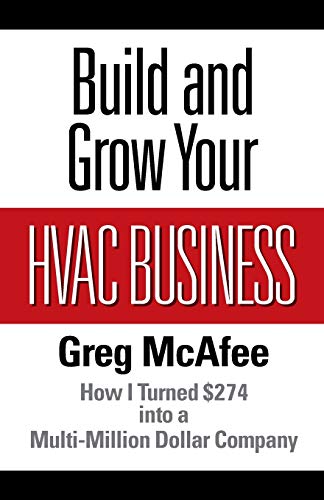
Build and Grow Your HVAC Business: How I Turned $274 into a Multi-Million Dollar Company
Check price on Amazon
The HVAC Technician's Business Blueprint: Start, Grow, and Scale a Profitable HVAC Company with Real-World Tools and Training
Check price on Amazon
200 Sets HVAC Service Invoice Forms 3 Part Carbonless Repair Order Forms | Heating Cooling Work Order Sheets for HVAC Maintenance Business
Check price on Amazon
The HVAC Business Manual: How to Stop Working for Someone Else, Master Pricing, Build Service Agreements & Start Running Your Own HVAC Company (HVAC Field Mastery Series)
Check price on Amazon
The E-Myth HVAC Contractor: Why Most HVAC Companies Don't Work and What to Do About It (The E-Myth Expert)
Check price on Amazon
HVAC Troubleshooting and Diagnostics: A Practical Field Workbook for Diagnosing Common Residential HVAC Problems
Check price on Amazon
HVAC Customers for Life: How to Turn $25 Leads into $25,000 Raving Fans in 90 Days or Less
Check price on Amazon
HVAC Millionaire: 25 Success Principles for Getting What You Want in Life and Business
Check price on AmazonDisclaimer
Some of the content on this site uses AI assistance. Information is provided for educational purposes only. We are not responsible for any losses resulting from the use of this information. By using this site, you waive any right to bring legal claims against us arising from your use of the information provided. If you do not agree, please do not use this site. Read the full disclaimer.