
HVAC Ductwork Supplies: The Complete Buyer's Guide
Everything you need to know about selecting duct materials, fittings, insulation, and sealing products for a reliable, energy-efficient air distribution system.
Explore the GuideWhy ductwork supplies matter: A well-designed HVAC system is only as good as its ductwork. Leaky or poorly insulated ducts can waste a significant portion of the air you've paid to cool or heat. Choosing the right supplies — from rigid galvanized steel to insulated flexible duct — directly affects comfort, indoor air quality, and long-term energy efficiency.
Understanding HVAC Ductwork Supplies
HVAC ductwork supplies encompass every component used to distribute conditioned air from your heating and cooling equipment to the rooms in your home or building. This includes the duct pipes themselves, the fittings that connect them, insulation to prevent thermal loss, sealants to eliminate leaks, and the hardware needed for installation.
A properly specified duct system balances three priorities: airflow capacity, thermal efficiency, and air quality. Each component you select plays a role in that balance. For a broader look at how ductwork fits into the full system, see our guide to HVAC ductwork and how it interacts with HVAC and air conditioning equipment.
Types of Duct Materials
The material you choose determines durability, airflow characteristics, and how much insulation the system will need. Here are the main categories available from ductwork suppliers:
Galvanized Steel Rigid Duct
The most common choice for residential and light commercial systems. Galvanized steel offers solid durability, smooth interior surfaces for efficient airflow, and compatibility with standard fittings. Available in round, rectangular, and oval profiles. Suitable for supply and return applications.
Flexible Duct (Insulated & Non-Insulated)
Flexible duct is ideal for tight spaces, offsets, and final connections to registers. Insulated flexible duct (with a factory-applied vapor barrier) is the standard for runs through unconditioned spaces. Keep runs short and taut — excessive length increases resistance and reduces airflow.
Fiberglass Duct Board
Duct board combines insulation and duct structure in one product. It's commonly used for plenum construction and rectangular trunk lines. The interior surface is typically coated to resist moisture. Installation requires careful cutting and sealing to maintain performance.
Pre-Insulated Rigid Duct Panels
Factory-insulated rigid panels (often with polyurethane or phenolic cores) deliver high thermal performance in compact profiles. These are popular in commercial and high-efficiency residential applications where space is limited and performance demands are high.
Fittings and Connectors
Fittings shape the path of airflow and determine how efficiently air moves through the system. Every fitting adds resistance, so the goal is to use as few as possible while still routing ductwork correctly. Common ductwork supplies in this category include:
- Elbows — change direction; adjustable elbows offer flexibility, while radius elbows reduce turbulence.
- Tees and Wyes — split airflow into branches; wye fittings generally provide smoother airflow than tee fittings.
- Reducers and Increasers — transition between duct sizes to match airflow requirements.
- Takeoffs and Starting Collars — connect branch runs to trunk lines.
- End Caps and Plenum Boxes — terminate runs or distribute air from the air handler.
- Duct Hangers and Supports — keep ductwork secure and properly pitched.
Pair quality fittings with proper air duct sealing to minimize leakage at every joint.
Duct Insulation
Insulation protects conditioned air from thermal loss (or gain) as it travels through the system. In unconditioned spaces like attics, garages, and crawlspaces, under-insulated ducts can lose a significant share of cooling or heating capacity before the air ever reaches a room.
Duct insulation is rated by R-value. The appropriate R-value depends on your climate zone and where the duct runs:
| Application | Recommended R-Value | Notes |
|---|---|---|
| Conditioned space (inside building envelope) | R-6 or higher | Basic thermal protection; vapor barrier still recommended |
| Unconditioned attic or crawlspace | R-8 to R-12 | Higher R-value compensates for extreme temperature swings |
| Exterior wall or garage runs | R-8 minimum | Ensure vapor barrier faces the warm side of the assembly |
| Commercial or high-efficiency systems | R-12 or higher | Specify pre-insulated rigid panels for best performance |
Insulation must be paired with a continuous vapor barrier. A damaged or improperly installed barrier allows moisture to condense inside the insulation, degrading performance and creating a risk of mold growth. For cleaning and maintenance guidance, see HVAC duct and vent cleaning.
Sealants and Tape
Duct leakage is one of the most common sources of energy waste in HVAC systems. Sealing every joint, seam, and penetration is essential for performance. The supplies you choose for this task matter:
Mastic Sealant
Mastic is the industry standard for duct sealing. It bonds to metal, fiberglass, and flexible duct, cures to a flexible airtight seal, and lasts for decades. Apply with a brush or trowel to all joints and seams. Available in water-based and solvent-based formulations.
Foil-Backed Duct Tape
Quality foil-backed tape (with an acrylic adhesive, not rubber-based) provides a reliable secondary seal over mastic or on accessible seams. Avoid standard cloth duct tape, which degrades and loses adhesion over time.
Gaskets and Foam Tape
Foam gaskets seal connections between fittings, registers, and equipment. They're an economical way to reduce leakage at removable or serviceable joints. Choose closed-cell foam for moisture resistance.
Aerosol Duct Sealant
For sealing existing systems without full disassembly, aerosol sealants can be injected into the duct system to coat and seal small leaks from the inside. This is a specialized product typically applied by professionals.
Installation Tools and Hardware
Beyond the duct materials themselves, a complete ductwork supply list includes the tools and hardware needed for a professional installation:
- Sheet metal snips and aviation shears for cutting rigid duct
- Duct crimpers and notchers for forming connections
- Drive cleats, S-locks, and Pittsburgh seams for rectangular duct assembly
- Self-tapping screws and zip screws for securing joints
- Duct stretchers for flexible duct tensioning
- Measuring tools, levels, and layout markers
- Safety gear: gloves, eye protection, and respirators for fiberglass work
For complex installations or repairs, consider consulting a qualified professional. Our guide to HVAC ductwork repair covers when DIY work is appropriate and when to call in an expert.
Duct Material Comparison at a Glance
| Material | Tier | Best For | Durability | Airflow Efficiency |
|---|---|---|---|---|
| Galvanized Steel Rigid | Mid-range | Main trunk lines, supply and return | High | Excellent |
| Flexible Insulated Duct | Mid-range | Final runs, tight spaces, offsets | Moderate | Good (if kept short and taut) |
| Fiberglass Duct Board | Entry-level | Plenums, rectangular trunk lines | Moderate | Good |
| Pre-Insulated Rigid Panels | Premium | High-efficiency residential, commercial | High | Excellent |
How to Choose the Right Ductwork Supplies
Selecting supplies for a duct installation or replacement requires matching components to your system's airflow requirements, available space, and climate. Keep these factors in mind:
1. Match Duct Size to Airflow
Undersized ducts increase static pressure and reduce airflow; oversized ducts waste material and space. Use a duct sizing calculator or consult a professional to determine the correct dimensions for each run based on CFM requirements.
2. Account for Your Climate
Homes in hot or cold climates need higher R-value insulation, especially for ducts in unconditioned spaces. Check your local HVAC building codes for minimum requirements.
3. Plan for Accessibility
If the system will need future maintenance or cleaning, choose materials and routing that allow access to key components. Flexible duct is easier to route but harder to clean thoroughly than rigid metal.
4. Prioritize Sealing
Allocate a portion of your supply list to quality mastic, tape, and gaskets. Leakage undermines every other investment in the system. For related reading on maintaining efficiency, see HVAC energy efficiency.
5. Choose Compatible Fittings
Fittings must match duct material, profile, and size. Mixing incompatible components creates leak points and airflow restrictions. Standardize on one material family where possible.
6. Source from Reputable Suppliers
Ductwork supplies are available through HVAC equipment distributors, hardware stores, and online retailers. Verify product certifications (such as UL 181 for duct materials) before purchasing.
Frequently Asked Questions
What are the main types of HVAC ductwork supplies?
The main categories include rigid metal duct (galvanized steel, aluminum), flexible duct (insulated and non-insulated), fiberglass duct board, pre-insulated rigid panels, and all associated fittings — elbows, tees, wyes, reducers, takeoffs, and connectors. Sealants, insulation, and installation hardware complete the supply list.
How do I choose the right duct insulation R-value?
It depends on where the duct runs. For ducts in unconditioned attics or crawlspaces, use R-8 or higher. For ducts inside the conditioned envelope, R-6 is typically adequate. Check your local building codes for minimum requirements, and always ensure the insulation has an intact vapor barrier.
What is the best sealant for ductwork?
Mastic sealant is the most reliable and long-lasting choice. It creates an airtight, flexible bond on metal, fiberglass, and flexible duct. Foil-backed acrylic tape can be used as a secondary seal, but standard cloth duct tape should be avoided because it degrades over time.
Can I install ductwork supplies myself?
Simple replacements — like swapping a section of flexible duct or sealing accessible joints — are within reach for experienced DIYers. However, designing and installing a complete duct system requires knowledge of airflow, sizing, and local codes. For major installations, consult a qualified HVAC contractor to ensure the system performs as intended.
How often should ductwork be inspected?
An inspection every few years is a reasonable baseline, and more frequently if you notice uneven airflow, unusual smells, or rising energy consumption. Our HVAC inspection checklist can help you identify issues before they become major problems.
What certifications should I look for in ductwork supplies?
Look for UL 181 listing on flexible duct and duct board (indicating compliance with safety and performance standards). Insulation should carry a flame-spread rating appropriate for your application. For commercial projects, verify that materials meet local fire and building codes.
Recommended HVAC Ductwork Supplies
⚠️ AFFILIATE DISCLOSURE: This website contains affiliate links. As an Amazon Associate, we earn from qualifying purchases. If you make a purchase through these links, we may receive a small commission at no additional cost to you. Read our full affiliate policy.

Aluminum Foil Duct Tape Heavy Duty Waterproof, Premium Silver Metal HVAC Heat Tapes (2"*65Feet,3.9mil), High Temperature, Dryer Vent Insulation Tape for Ductwork, Ducting, Sealing, Patching, Furnace
Check price on Amazon
6 in. x 25 ft. Insulated Flexible Duct R4.2 Silver Jacket, 6 - Flexible Ductwork - Ducting & Venting
Check price on Amazon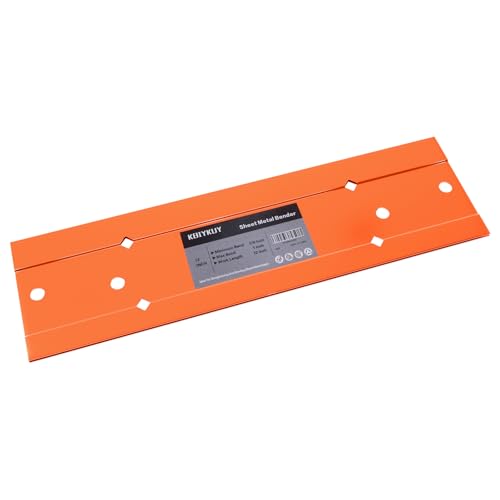
Kbiykuy Sheet Metal Bender Folding Tool, 12 Inch HVAC Hand Seamer Brake | for Ductwork, Roofing & Metal Panels, 3/8" & 1" Fold Depth, Heavy Duty Steel with High-Visibility Orange Finish
Check price on Amazon
DURATECH 5-Blade Sheet Metal Crimper for HVAC Ductwork and Stove Pipes | Duct Crimping Tool, 22-28 Gauge Capacity, Precise Ductwork Crimping, Pipe Fitting Applications
Check price on Amazon
HURRICANE Sheet Metal V Notcher, Manual Hand Notcher Tool for HVAC Ductwork, Roofing & Gutters, Cuts 30° V-Notch in 24-Gauge Steel, with Safety Lock
Check price on Amazon
TOP-VIGOR 6 Inch Wye Shape Duct Splitter 3 Way 45 Degree Galvanized Steel | Heavy duty galvanized steel wye duct splitter. 45 degree 3-way dust fitting adapter for dryer vent, exhaust fan, HVAC.
Check price on Amazon
HVAC Duct Strap, Tight-Weave Nylon Duct Support Webbing, Heavy Duty Duct Hanging Strap for Flex Duct & Ductwork, Resists Stretching/Tearing/Abrasion (50Ft,1pcs)
Check price on Amazon
Romeda Aluminum Foil Tape, 2 inch x 65 Feet Foil Tape (3.9 mil), Silver Insulation Adhesive Metal Tape, High Temperature Heavy Duty HVAC Tapes for Ductwork, Dryer Vent, HVAC
Check price on AmazonDisclaimer
Some of the content on this site uses AI assistance. Information is provided for educational purposes only. We are not responsible for any losses resulting from the use of this information. By using this site, you waive any right to bring legal claims against us arising from your use of the information provided. If you do not agree, please do not use this site. Read the full disclaimer.