HVAC Expansion Valve Replacement: What Homeowners Should Know
A failing expansion valve can quietly rob your air conditioner of cooling performance. This guide explains the symptoms, the replacement process, and the tier-based expense ranges you can expect before authorizing service.
EXPLORE OPTIONSWhy this matters: The expansion valve — often called a TXV or thermal expansion valve — is a small but critical metering device that regulates refrigerant flow into the evaporator coil. When it fails, the system may still run but deliver weak cooling, uneven temperatures, or frozen coils. Understanding replacement expectations helps you evaluate technician recommendations and choose a service path with confidence.
What Is an HVAC Expansion Valve?
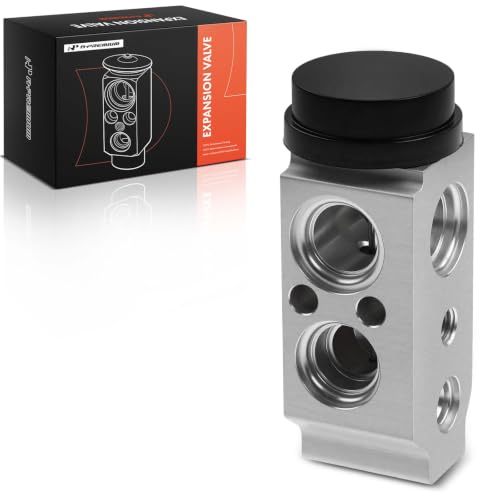
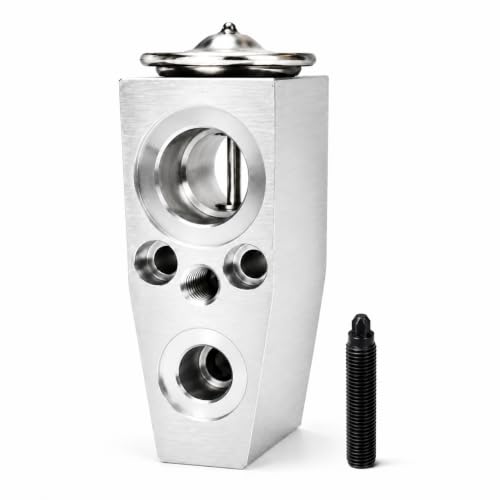
The expansion valve sits between the condenser and the evaporator coil. Its job is to meter the exact amount of liquid refrigerant entering the evaporator while reducing pressure so the refrigerant can absorb heat efficiently. A properly functioning valve keeps superheat within specification, protecting the compressor and maximizing cooling output.
Modern systems use a thermostatic expansion valve (TXV) or an electronic expansion valve (EEV). TXVs rely on a sensing bulb and capillary tube to modulate flow mechanically. EEVs use a stepper motor and control board for more precise regulation, common in high-efficiency inverter systems. Understanding how the broader system works helps contextualize the valve's role — see our FCU unit in HVAC overview for a related component discussion.
Signs Your Expansion Valve Needs Replacement
Expansion valve failure often masquerades as other issues. A trained technician confirms the diagnosis with pressure and superheat readings, but homeowners can watch for the following warning signs.
Weak or No Cooling
The system runs continuously but never reaches the set temperature. Low refrigerant flow through a stuck valve starves the evaporator coil.
Frozen Evaporator Coil
Insufficient refrigerant flow can cause the coil to drop below freezing, forming ice on the indoor unit or refrigerant lines.
High Superheat Readings
A technician measuring superheat above specification often traces it to a restricted or stuck-closed valve.
Compressor Short Cycling
Abnormal pressure readings can trigger safety controls, causing the compressor to cycle on and off rapidly.
Hissing or Whistling Noise
A valve that is stuck or partially blocked may produce an audible hiss at the indoor unit as refrigerant struggles through.
Uneven Room Temperatures
In multi-zone or ducted systems, a faulty valve feeding one section can create noticeable temperature imbalance.
Important: These symptoms overlap with low refrigerant charge, a failing compressor, or a blocked filter drier. Never authorize a valve replacement based on symptoms alone — insist on documented pressure and superheat readings before work begins.
How Expansion Valve Replacement Works
Replacing a TXV is a refrigerant-system procedure, not a simple part swap. The technician must recover refrigerant, open the sealed system, remove the old valve, install the new one, and then evacuate and recharge the system. The complexity of the job depends heavily on valve location and system configuration.
- Diagnosis and confirmation — pressure and superheat testing to confirm the valve is the fault.
- Refrigerant recovery — all refrigerant is recovered into a recovery cylinder per EPA regulations.
- System opening — brazing or flaring connections are opened to access the valve.
- Valve removal and replacement — a new valve matched to the system's capacity is installed.
- Filter drier replacement — best practice is to replace the filter drier at the same time to protect the new valve.
- Evacuation and leak test — the system is evacuated to a deep vacuum and held to confirm no leaks.
- Recharge and verification — refrigerant is weighed in and superheat/subcooling are verified.
Because the procedure requires refrigerant handling and brazing, it falls under EPA Section 608 regulations. Only certified technicians should perform the work. If you are also considering related repairs, our freon for the air conditioner explainer covers refrigerant basics, and the fixing an air conditioner guide outlines how technicians approach broader diagnostic work.
Tier-Based Expense Ranges for Replacement
The overall expense of an expansion valve replacement varies by valve type, system capacity, accessibility, and regional labor rates. Rather than quoting fixed figures, the table below groups expected expense into universal tiers so you can plan accordingly. Actual amounts depend on your specific system and market.
| Scenario | Expense Tier | What Influences It |
|---|---|---|
| Standard TXV, accessible location | Entry-level to mid-range | Common valve type, straightforward brazing access, single-zone system |
| EEV, inverter or multi-zone system | Mid-range to high-end tier | Electronic valve, control board interaction, multiple refrigerant circuits |
| TXV plus filter drier replacement | Mid-range | Additional part, added labor for filter drier swap |
| Difficult access (attic, tight closet, concealed coil) | High-end tier to premium | Extended labor time, possible drywall or panel removal |
| Emergency or after-hours service | Premium to flagship tier | Priority scheduling, overtime labor rates |
Labor typically represents a significant share of the total expense, especially for systems where the valve is buried inside an air handler or packaged unit. For broader context on what service calls involve, our HVAC repair technician overview describes how technicians scope and price diagnostic work.
Repair vs Replace: Making the Call
If your system is relatively new and otherwise healthy, replacing the expansion valve is usually the sensible path. If the system is older, has a history of refrigerant leaks, or the compressor is showing wear, the calculation shifts toward full system replacement.
Favor Valve Replacement When…
The system is within its expected service life, the compressor tests healthy, and there is no history of repeated refrigerant loss.
Consider System Replacement When…
The unit is near end of life, repairs are stacking up, or efficiency is far below current standards. Our long-term investment AC guide explains how to evaluate payback.
Get a Second Opinion When…
The diagnosis is not backed by pressure readings, or the recommended repair seems disproportionate to the symptom.
Preventing Premature Valve Failure
Most expansion valve failures trace back to system contamination or moisture. Keeping the refrigerant circuit clean and dry is the single best preventive measure.
- Replace the filter drier whenever the system is opened for repair.
- Ensure proper evacuation during any service that opens the circuit — moisture is the enemy of TXVs.
- Address refrigerant leaks promptly so the system does not run chronically undercharged.
- Keep the outdoor coil and indoor coil clean to maintain proper operating pressures.
- Schedule annual professional maintenance to catch superheat drift early.
For systems showing broader cooling problems, our compressor runs but no cold air guide and house is not cooling troubleshooting guide walk through the diagnostic sequence technicians follow.
Need to Compare Replacement Parts or Systems?
Explore curated options below to match valve type, system capacity, and reliability tier to your specific HVAC setup. Each listing links to detailed specifications.
VIEW RECOMMENDATIONS