HVAC Service Providers: A Homeowner's Guide to Choosing Right
Your heating and cooling system is a long-term investment. Learn how to evaluate, vet, and select HVAC service providers who will protect that investment with skilled workmanship, transparent communication, and reliable support.
Start the Vetting ChecklistWhy this page exists: Choosing an HVAC service provider is one of the most consequential decisions a homeowner makes. The equipment matters, but the quality of the installation and the competence of the servicing technicians determine how well that equipment performs for years. This guide walks you through what to look for, what to ask, and how to avoid common pitfalls.
Understanding the HVAC Service Provider Landscape
The term "HVAC service provider" covers a wide spectrum of businesses. Knowing which type you are dealing with helps you set expectations and compare options fairly. Broadly, providers fall into a few recognizable categories:
Full-Service HVAC Contractors
Handle installation, repair, and maintenance across heating and cooling equipment. Often employ both installers and service technicians, and may offer maintenance plans and emergency dispatch.
Specialized Repair Providers
Focus primarily on diagnostics and repair rather than new installations. A solid choice when you already have equipment in place and need a targeted fix.
Maintenance-Plan Providers
Emphasize recurring tune-ups and seasonal inspections. Useful for homeowners who want predictable scheduling and priority service during peak demand.
Independent Technicians
Solo operators or small crews. Can offer attentive service, but you must verify licensing, insurance, and warranty support just as carefully as with larger firms.
Many homeowners begin their search by looking for local HVAC providers who understand regional climate demands, local building codes, and the specific equipment brands common in their area. That local knowledge can be a genuine advantage when it comes to correct sizing and code-compliant installation.
What HVAC Service Providers Actually Do
Understanding the scope of services helps you match a provider's strengths to your needs. A reputable HVAC service company typically offers several of the following:
Installation and Replacement
New equipment installation, system replacement, and upgrades. This includes load calculation, ductwork evaluation, refrigerant line work, electrical connections, and commissioning. For larger projects, you may want to review the HVAC replacement planning process before committing.
Repair and Diagnostics
Troubleshooting faulty components, refrigerant issues, electrical faults, and airflow problems. When something fails unexpectedly, knowing how to find HVAC repair near you quickly can prevent secondary damage and restore comfort sooner.
Preventive Maintenance
Seasonal tune-ups, filter changes, coil cleaning, and system inspections. Consistent maintenance for HVAC systems is one of the most effective ways to preserve efficiency and extend equipment lifespan.
Ductwork and Air Distribution
Duct sealing, insulation, and redesign. Poor ductwork undermines even premium equipment, so providers who offer duct diagnostics add real value.
Indoor Air Quality Services
Humidity control, filtration upgrades, and ventilation solutions. If you have been searching for a dehumidifier solution, a qualified provider can assess whether a whole-home dehumidifier belongs in your system design.
Emergency Service
After-hours and weekend response for system failures. Confirm whether emergency service is included or billed separately before you need it.
How to Vet an HVAC Service Provider
Vetting is the single most important step in the selection process. The checklist below is organized from foundational credentials to softer service-quality signals. Work through it methodically and do not skip items because a provider seems friendly or was recommended by a neighbor.
1. Verify Licensing
HVAC work is licensed at the state or local level in most jurisdictions. Ask for the license number and verify it directly with the issuing authority. Licensing requirements vary, so confirm the specific classification covers the work you need — installation, repair, or both. When in doubt about whether a specific job requires a licensed professional, a quick call to the local building department settles it.
2. Confirm Insurance Coverage
Request a certificate of general liability insurance and workers' compensation coverage. Liability insurance protects your property if something is damaged during the work; workers' compensation protects you from liability if a technician is injured on your premises. Verify coverage directly with the insurer rather than relying on a photocopy alone.
3. Look for Industry Certifications
NATE (North American Technician Excellence) certification is a widely recognized credential that indicates a technician has passed rigorous knowledge assessments. Manufacturer certifications — for brands like Carrier, Trane, Lennox, or Mitsubishi — signal specialized training on specific equipment lines. EPA Section 608 certification is mandatory for anyone handling refrigerants.
4. Check Reviews and References
Read reviews across multiple platforms rather than relying on a single source. Pay attention to patterns: recurring complaints about punctuality, communication, or follow-through matter more than isolated negative reviews. Ask for references from recent customers with similar systems to yours.
5. Request a Written Estimate
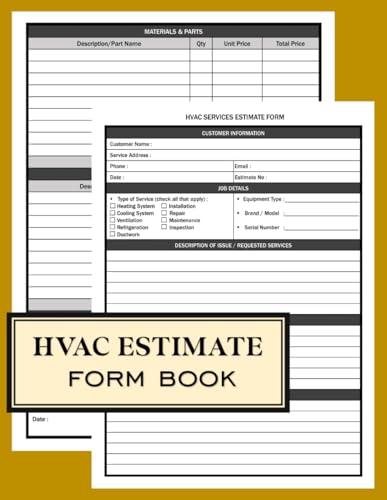
A professional provider will put the scope of work, parts, labor, and timeline in writing before starting. Verbal estimates are a red flag for disputes later. Compare estimates line by line — differences in scope are often more telling than differences in totals.
6. Ask About Warranty Terms
Clarify the warranty on both parts and labor. Manufacturer warranties cover equipment; labor warranties are typically offered by the provider. Understand the duration, what voids coverage, and whether the warranty is transferable if you sell your home.
7. Evaluate Communication and Punctuality
How quickly does the provider respond to your initial inquiry? Do they arrive on time for the estimate? Clear communication during the sales process is a reliable predictor of communication during the job.
Comparing HVAC Service Providers by Tier
HVAC service providers vary widely in scale, specialization, and service depth. The table below uses universal quality descriptors rather than financial figures to help you position providers relative to one another. Use it as a framework for comparison, not a rigid ranking.
| Tier | Best For | Typical Characteristics |
|---|---|---|
| Entry-level / Independent | Routine maintenance, simple repairs | Solo operator or small crew; personal service; verify licensing and insurance independently |
| Mid-tier / Established local | Repairs, replacements, maintenance plans | Dedicated office staff; multiple technicians; established local reputation; standard warranty terms |
| High-end tier / Full-service | Complex installations, system design, whole-home solutions | In-house design capability; manufacturer certifications; extended labor warranties; comprehensive maintenance programs |
| Professional-grade / Commercial-capable | Large residential projects, light commercial | Engineering support; project management; commercial-grade insurance and bonding; documented commissioning processes |
Many homeowners find that a mid-tier established local provider offers a balanced combination of responsiveness and accountability. For straightforward maintenance, an entry-level independent can be a solid choice; for complex system replacements or whole-home redesigns, the higher tiers generally provide deeper technical support.
Questions to Ask Before Hiring
A short, well-chosen list of questions reveals more about a provider than any marketing material. Ask these during the estimate visit and note how clearly and consistently they are answered:
- What is your license number, and which classification covers this work?
- Can you provide a certificate of insurance for liability and workers' compensation?
- Are your technicians NATE-certified or manufacturer-trained on my equipment brand?
- Will the same technician who diagnoses the issue perform the repair?
- Is the estimate itemized, and are there conditions that could change it?
- What is the warranty on parts, labor, and workmanship?
- How do you handle emergency calls after hours and on weekends?
- Do you offer a maintenance plan, and what does it include?
- Can you provide references from customers with similar systems?
- What is your process if the repair does not resolve the problem?
For homeowners planning a larger project, it can also help to understand how HVAC quotes are structured and how to compare them fairly across providers.
Are Maintenance Plans Worth It?
Maintenance plans are recurring service agreements that typically include scheduled tune-ups, priority scheduling, and sometimes parts or labor allowances. Whether a plan makes sense depends on your system's age, your willingness to schedule maintenance proactively, and how much you value predictable service during peak season.
What a Good Maintenance Plan Covers
- Two seasonal visits per year (spring cooling, fall heating)
- Filter replacement or cleaning
- Coil cleaning and refrigerant level checks
- Electrical component inspection
- Priority scheduling during peak demand
- Written documentation of each visit
What to Watch For
- Plans that exclude common wear parts without clear disclosure
- Multi-year commitments with automatic renewal clauses
- Cancellation fees that are disproportionate to the plan term
- Visits that feel rushed or are not documented
If you are already planning routine HVAC maintenance, a plan can simplify scheduling. If you prefer to handle maintenance ad hoc, a well-regarded independent provider may be a better fit.
Specialized HVAC Services Worth Knowing
Beyond the core repair-and-install services, many providers offer specialized capabilities that matter for particular homes and situations:
Ductless Mini-Split Expertise
Mini-splits require different installation skills than conventional systems. If you are considering a ductless solution, look for providers with documented experience in installing a mini-split system, including line-set routing, vacuuming, and refrigerant charging.
Cold-Climate Heat Pumps
In colder regions, hyper-heat mini-split systems and cold-climate heat pumps demand specialized commissioning knowledge. Confirm that your provider has installed these systems in your climate zone before.
Residential System Design
For whole-home projects, providers who serve residential HVAC customers at a design level can evaluate load calculations, duct sizing, and zoning. This is especially valuable in older homes where ductwork may need rethinking.
Technician Qualifications
Not all technicians are equally trained. When evaluating a provider, ask about the qualifications of the HVAC service technicians they dispatch, and whether they employ HVACR technicians qualified to handle refrigerant work and complex system diagnostics.
For broader context on how providers fit into the larger contractor ecosystem, the guide on HVAC service providers covers additional selection criteria.
Common Mistakes Homeowners Make
Avoiding these pitfalls saves time, frustration, and unnecessary rework:
- Choosing on responsiveness alone. Fast callback times are great, but they do not substitute for licensing, insurance, and technical competence.
- Skipping the written estimate. Verbal agreements invite disputes. Always get the scope, parts, labor, and timeline in writing.
- Ignoring warranty terms. A labor warranty that is shorter than the manufacturer's parts warranty can leave you exposed.
- Overlooking permit requirements. Many installations and replacements require permits and inspections. A provider who suggests skipping permits is a red flag.
- Not asking about emergency service. System failures rarely happen at convenient times. Confirm after-hours availability before you need it.
- Failing to document the work. Keep copies of estimates, invoices, warranty documents, and maintenance records. They matter at resale and during future service calls.
Preparing for HVAC Emergencies
Even well-maintained systems fail. Having a plan in place reduces stress and helps you act decisively when something goes wrong:
- Save the contact information for a trusted provider in your phone.
- Know where your system's disconnect switch and circuit breaker are located.
- Keep a basic troubleshooting checklist handy for common issues like no cooling, no heat, or unusual noises.
- Confirm in advance whether your provider offers emergency dispatch and what the after-hours process looks like.
- If you are searching for help during an outage, looking for an HVAC repair technician with documented emergency availability can save time.
Frequently Asked Questions
What should I look for in an HVAC service provider?
Look for proper state licensing, NATE certification, liability insurance, a verifiable business address, positive customer reviews, and a clear written estimate before work begins. A reputable provider will never pressure you into a same-day decision.
How often should HVAC systems be serviced?
Most manufacturers recommend professional servicing twice a year: once in spring for the cooling system and once in fall for the heating system. Regular maintenance preserves efficiency, extends equipment lifespan, and keeps warranties valid.
What is the difference between an HVAC service provider and an HVAC technician?
An HVAC service provider is the company that employs, dispatches, and insures the workforce. An HVAC technician is the individual tradesperson who performs the diagnostic, repair, or installation work. You hire the provider; the provider sends the technician.
Are HVAC maintenance plans worth considering?
Maintenance plans can be a solid choice for homeowners who prefer predictable scheduling and priority service during peak season. Evaluate what the plan covers, how many visits it includes, and whether it offers parts or labor allowances before committing.
How can I verify an HVAC contractor's license?
Visit your state or local licensing board's website and search by the contractor's business name or license number. You can also request a copy of the license and insurance certificate directly from the provider and confirm coverage with the insurer.
Bottom line: The best HVAC service provider is the one whose credentials you have verified, whose communication style matches your expectations, and whose warranty terms protect you for the life of the work. Do the vetting upfront and you will save yourself considerable trouble down the road.