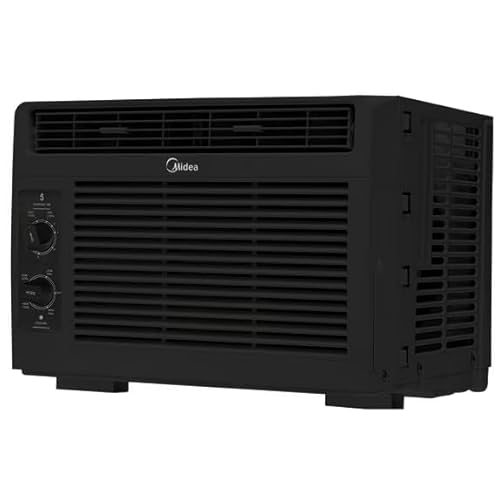
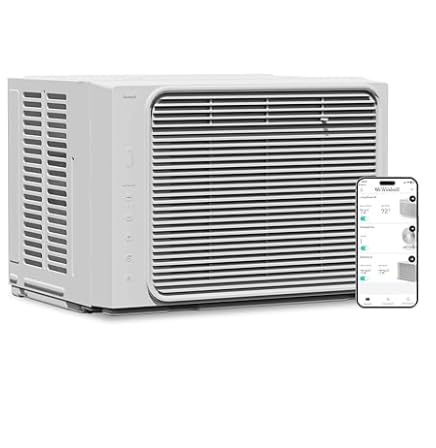
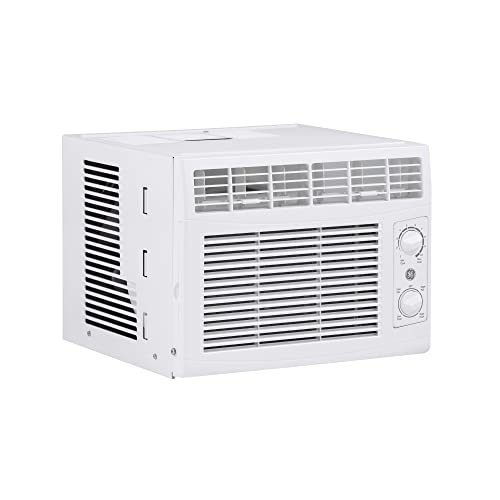
Most Energy Efficient 5000 BTU Air Conditioner: Complete Guide
Everything you need to compare efficiency ratings, sizing, and top-tier 5000 BTU options before you choose the right unit for a small room.
COMPARE EFFICIENCYWhy This Guide Exists: A 5000 BTU air conditioner is the classic small-room solution, but efficiency varies widely across the category. This guide explains what makes one unit more energy efficient than another, how to verify ratings, and which features matter most so you can make a confident decision.
What a 5000 BTU Air Conditioner Is Built For
BTU, or British Thermal Unit, measures cooling capacity. A 5000 BTU air conditioner is designed to remove about 5000 BTUs of heat per hour, which generally suits rooms up to roughly 150 square feet. That makes it a natural fit for bedrooms, home offices, studio apartments, dorm rooms, and small guest spaces.
Because these units serve compact areas, the efficiency question is especially important. A small room reaches its target temperature quickly, so a unit that cycles inefficiently or is slightly oversized will waste energy more noticeably than in a larger space. If you are still narrowing down capacity, review our most efficient small room air conditioner guide to confirm that 5000 BTU is the right starting point.
In practice, the most energy efficient 5000 BTU air conditioner combines three things: a capacity that matches the room, a compressor design that avoids wasteful cycling, and a high efficiency rating verified by a recognized standard.
Efficiency Ratings That Matter for 5000 BTU Units
Efficiency labels can be confusing because different metrics apply to different product types. For window air conditioners, the Combined Energy Efficiency Ratio (CEER) is the primary metric used on the EnergyGuide label. For split and portable systems, SEER and SEER2 are more common. Understanding these labels is the fastest way to separate genuinely efficient models from average ones.
CEER and SEER Explained
CEER expresses cooling output relative to electricity input, with higher numbers indicating greater efficiency. SEER measures seasonal efficiency across a range of operating conditions. A 5000 BTU window unit with a CEER in the low teens is solid for the category, while top-tier models push higher. For ductless options, review what an efficient split system looks like, since split systems can reach much higher SEER values than window units.
Why Inverter Technology Changes the Equation
Conventional compressors run at full power and then shut off. Inverter compressors vary their speed to hold a steady temperature, which reduces the energy spikes and temperature swings of on-off cycling. For a small room, an inverter 5000 BTU unit can maintain comfort with less repeated restarting. If you want the broader comparison, see our breakdown of the most efficient window air conditioner options.
ENERGY STAR and Certification
ENERGY STAR certification indicates a unit meets or exceeds efficiency thresholds set for its category. It is a useful filter but not a guarantee of best-in-class performance. Always compare the actual CEER or SEER number alongside certification, and check that the rating is listed for the exact model you are considering.
Efficiency Tier Comparison for 5000 BTU Units
The table below uses universal tier descriptors instead of figures, so you can map any model you find to its relative position in the market.
When comparing models, a mid-range unit with a well-matched capacity often performs as efficiently in real use as a premium unit that is slightly oversized for the room. Correct sizing remains the single biggest efficiency factor.
Features That Drive Real-World Efficiency
Ratings tell part of the story, but several design features determine how efficiently a 5000 BTU unit actually runs in a home.
Inverter Compressor
An inverter compressor adjusts speed continuously rather than starting and stopping. This reduces peak electricity demand and keeps room temperature more stable. Inverter models are increasingly common in the 5000 BTU class and are typically the most energy efficient option available.
Thermostat Precision and Programmable Control
A precise thermostat prevents the unit from overcooling. Programmable schedules and eco modes reduce runtime when the room is unoccupied. Smart controls add remote scheduling, which helps avoid unnecessary cooling. The most accurate AC thermostat options show how much precision matters for efficiency.
Airflow and Fan Design
Efficient airflow distributes cool air without running the compressor harder than necessary. Variable fan speeds, oscillating louvers, and well-designed ducting all contribute. For ductless systems, mini-split heads with optimized airflow can improve efficiency further.
Filtration and Maintenance Access
A clogged filter forces the unit to work harder. Washable filters and easy-access panels make routine maintenance simpler, which preserves efficiency over time. Our guide to the most efficient way to use air conditioning covers maintenance habits that protect performance.
Installation Quality
For window units, a tight seal around the window frame prevents cool air from escaping. For split systems, correct line-set length and refrigerant charge are essential. Poor installation can erase the efficiency advantage of even a top-tier unit. If you are considering a ductless route, our mini-split installation services overview explains what proper installation involves.
Sizing and Placement for Maximum Efficiency
A 5000 BTU air conditioner is most efficient when it is correctly sized and positioned. Oversizing causes short cycling, which wastes energy and removes less humidity. Undersizing forces continuous operation without reaching the target temperature.
Consider these factors when confirming that 5000 BTU is right for your space:
- Room area: Up to roughly 150 square feet is the typical range.
- Ceiling height: Higher ceilings increase the cooling volume.
- Sun exposure: West- and south-facing rooms gain more heat.
- Insulation and windows: Leaky envelopes increase the load.
- Occupants and appliances: People and electronics add heat.
Placement matters too. Window units should be shaded from direct sun when possible, and indoor units should not be blocked by furniture. For ductless options, review efficient heating and cooling system layouts to understand how placement affects performance across a home.
Window, Portable, or Mini-Split: Which Is Most Efficient at 5000 BTU?
The most energy efficient 5000 BTU air conditioner is not automatically a window unit. The right form factor depends on the space, installation constraints, and how long the unit will run each day.
Window Air Conditioners
Window units are the most common 5000 BTU format. They are straightforward to install, vent heat directly outside, and are available with inverter compressors. Efficiency varies widely, so check the CEER label carefully. Our most energy efficient air conditioner window unit guide covers the leading options in this category.
Portable Air Conditioners
Portable units offer flexibility but generally run less efficiently than window units because of venting losses and single-hose designs. Dual-hose models improve performance. If portability is essential, see our guide to the most efficient dual hose portable air conditioner and the broader most energy efficient portable air conditioners comparison.
Mini-Split Systems
Ductless mini-splits can achieve much higher SEER ratings than window units and are the efficiency leader when installation is feasible. A mini-split heat pump for 400 sq ft or a smaller single-zone system can be configured for a small room, though 5000 BTU is at the low end of typical mini-split capacity. For a dedicated small-room solution, the most energy efficient mini split air conditioner options are worth reviewing.
How to Get the Most Efficiency From a 5000 BTU Unit
Even the most energy efficient 5000 BTU air conditioner depends on how it is used. These habits protect performance and reduce energy waste:
- Seal gaps around window installations and use insulation panels where possible.
- Clean or replace filters on a regular schedule.
- Use programmable schedules or smart controls to avoid cooling empty rooms.
- Pair the unit with a ceiling fan to distribute cool air and raise the thermostat setting slightly.
- Shade windows during peak sun to reduce the cooling load.
- Schedule professional maintenance for split systems and annual checkups for window units.
For a broader efficiency checklist, see the most efficient way to use air conditioning. If you are comparing whole-home options, our most efficient whole house air conditioner guide explains how room-level efficiency fits into a larger system.
Common Efficiency Mistakes to Avoid
Buyers researching the most energy efficient 5000 BTU air conditioner often overlook a few practical issues:
- Buying by brand alone: Efficiency varies by model, not just manufacturer.
- Ignoring the label: The CEER or SEER number is the clearest efficiency signal.
- Oversizing for a small room: A larger unit short cycles and wastes energy.
- Skipping installation details: Gaps and poor sealing reduce efficiency.
- Neglecting maintenance: Dirty filters and coils erode performance quickly.
Frequently Asked Questions
What is a good SEER rating for a 5000 BTU air conditioner?
For a 5000 BTU air conditioner, a CEER or SEER rating of 12 or higher is considered strong for the category. Top-tier models reach the mid-teens or higher, meaning more cooling per unit of electricity and lower long-term energy use.
Is an inverter 5000 BTU AC more energy efficient than a standard one?
Yes. Inverter compressors modulate speed instead of switching fully on and off, which reduces temperature swings and energy waste. A high-efficiency inverter 5000 BTU unit typically outperforms a comparable fixed-speed model in real-world small-room use.
How many square feet will a 5000 BTU air conditioner cool?
A 5000 BTU air conditioner is generally sized for rooms up to about 150 square feet. Ceiling height, sun exposure, insulation, and occupant load can shift the effective coverage, so verify with a BTU sizing guide.
Does a higher SEER always mean lower energy use?
A higher SEER indicates greater efficiency under standardized test conditions, but real-world energy use also depends on correct sizing, installation quality, thermostat habits, and maintenance. An oversized or poorly installed high-SEER unit can still waste energy.
Is a window unit or portable unit more efficient at 5000 BTU?
Window units are generally more efficient because they vent heat directly outside and avoid the duct losses common to portable designs. Dual-hose portable models narrow the gap, but a well-installed window unit remains the efficiency leader in most small-room scenarios.
Ready to compare models? Review the recommended 5000 BTU air conditioners below, then confirm sizing and installation requirements before you finalize your choice.