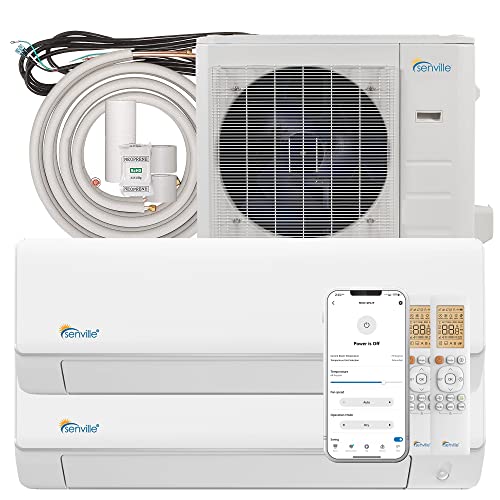
Mini Split Heads: The Complete Guide to Ductless Air Handlers
Understand what a mini split head does, how to choose the right type, how to size and place it, and how to keep it running efficiently for years.
Quick overview: A mini split head is the indoor unit of a ductless system. It delivers cooled or heated air directly into a room without ductwork. Choosing the right head type, capacity, and location is the key to comfort, efficiency, and quiet operation.
What Is a Mini Split Head?
A mini split head is the indoor air handler of a ductless mini split system. It contains the evaporator coil, a blower fan, an air filter, and a condensate drain. Refrigerant lines and a power cable connect the head to an outdoor condenser. Instead of pushing air through ducts, the head blows conditioned air directly into the space it serves.
Because each head serves one zone, a mini split system can cool or heat individual rooms independently. This is why mini split heads are popular in homes without ductwork, in additions, in garages, and in multi-zone layouts. If you are still deciding between ductless and ducted options, read our comparison of ductless vs ducted AC.
Types of Mini Split Heads
Mini split heads come in several form factors. The right choice depends on the room layout, ceiling height, and how you want the unit to look on the wall or ceiling.
Wall-Mounted Head
The most common type. Installed high on a wall, it is a solid choice for bedrooms, living rooms, and offices. It is the entry-level and mid-range standard for most residential installations.
Ceiling Cassette Head
Recessed into the ceiling with a flush grille that distributes air in multiple directions. A premium choice for open-plan spaces and rooms where wall space is limited.
Floor Console Head
Sits low on the wall or floor, similar to a radiator. A good option for rooms with low ceiling clearance or where a high wall position is not practical.
Ducted Mini Split Head
Concealed in a ceiling void or closet and connected to short duct runs. A high-end tier option for whole-floor comfort with a nearly invisible installation.
To explore the full system that these heads belong to, see our guide on the mini split AC system and the mini split air conditioning unit overview.
How to Choose the Right Mini Split Head
A mini split head must match the load of the room it serves. An oversized head cools too quickly, cycles on and off, and leaves the room humid. An undersized head runs continuously and struggles on hot days. The right capacity is calculated from room size, insulation, window area, sun exposure, and occupancy.
As a general reference, a bedroom up to 400 square feet typically uses a 9,000 BTU head, while a 500 to 700 square foot living area often needs 12,000 to 18,000 BTU. These numbers are starting points only. For a proper calculation, use our guide on how to size an air conditioner or review the BTU calculator by room size.
| Head Type | Best For | Market Tier |
|---|---|---|
| Wall-mounted | Bedrooms, offices, living rooms | Entry-level to mid-range |
| Ceiling cassette | Open-plan spaces, high ceilings | Premium |
| Floor console | Low-clearance rooms, retrofits | Mid-range |
| Ducted | Whole-floor comfort, concealed install | High-end tier |
Single-Zone vs Multi-Zone Mini Split Heads
A single-zone system pairs one head with one outdoor condenser. It is simple, efficient, and ideal for a single room or an addition. A multi-zone system connects two to five heads to one condenser, each with independent temperature control.
Multi-zone setups work well when several rooms need conditioning and you want a single outdoor unit. Keep in mind that the condenser must be sized for the combined load of all connected heads, and that running many heads at once can reduce per-head efficiency compared with dedicated single-zone systems. For a closer look at multi-room options, review mini split for 500 square feet and mini split for 1,200 square feet.
Where to Place a Mini Split Head
Placement has a large effect on comfort. A wall-mounted head is usually installed 6 to 12 inches below the ceiling, on a wall that lets the airflow travel along the longest dimension of the room. The head should not blow directly onto a seating area or bed.
- Avoid placing the head directly above a heat source, such as a stove, radiator, or television.
- Keep the head clear of curtains, furniture, and shelving that could block airflow.
- Position the outdoor condenser with adequate clearance and shade where possible.
- Plan the condensate drain so water flows away from the wall and foundation.
For installation details, see our guides on installing a mini split and installing a mini split AC system. If you plan to hire a professional, our mini split installers in my area guide explains what to look for.
Efficiency and Inverter Technology
Most modern mini split heads use inverter-driven compressors that vary speed instead of cycling on and off. This delivers steadier temperatures, quieter operation, and better efficiency over long run times. If you want to understand the difference, read our comparison of inverter vs non-inverter systems and our guide on the mini split with inverter.
Mini split heads are also available as heat pumps, providing both cooling and heating. For cold-climate performance, look at the hyper heat mini split and the broader mini split heat pumps category.
Maintenance Tips for Mini Split Heads
A mini split head stays efficient when its filter and coil are clean. Most manufacturers recommend cleaning or replacing the filter every two to four weeks during heavy use, and scheduling a professional service once a year.
- Remove and rinse the washable filter with lukewarm water, then let it dry fully before reinstalling.
- Wipe the front panel and air outlet with a soft, damp cloth.
- Check the condensate drain for clogs, especially before the cooling season.
- Keep the outdoor condenser clear of leaves, debris, and snow.
If you notice water leaking indoors, our guide on a mini split leaking water inside the house covers the usual causes. For broader service options, see maintenance for HVAC and the HVAC maintenance overview.
Common Mini Split Head Problems
Most head-related issues are airflow, drainage, or refrigerant problems. Weak airflow usually points to a clogged filter or a failing blower. Water indoors often indicates a blocked drain line or a frozen coil. Warm air during cooling can mean low refrigerant or a compressor issue.
When a problem is beyond basic maintenance, a qualified technician should diagnose it. Our guides on HVAC repair technician and HVAC service technicians explain how to find reliable help.
Matching Heads to the Right System
The head is only one part of the system. Line set length, condenser capacity, and electrical requirements all need to match. Review our guide on the mini split line set before finalizing a plan. If you are still comparing ductless formats, see mini split air conditioning and heating systems and the mini split HVAC systems overview.
For specialty layouts, mini split cassettes and mini split attic air handler guides explain ceiling-mounted and concealed options. If you are exploring other ductless formats, see mini split heaters and mini split air conditioning and heating units.
Ready to Compare Mini Split Heads?
Browse our curated selection of ductless air handlers below and check availability through our partner listings.
View Product OptionsFrequently Asked Questions
What is a mini split head?
A mini split head is the indoor air handler of a ductless system. It contains the evaporator coil, blower fan, filter, and drain, and it delivers conditioned air directly into the room without ducts.
How many mini split heads do I need?
One head is enough for a single room or open area. For multiple rooms, a multi-zone system can connect two to five heads to one outdoor condenser, each with independent temperature control.
Can I connect multiple mini split heads to one outdoor unit?
Yes. Multi-zone mini split systems are designed for two to five indoor heads per condenser. Each head operates independently, so different rooms can be set to different temperatures.
Where should a mini split head be placed?
Wall-mounted heads are typically placed 6 to 12 inches below the ceiling, on a wall that lets airflow travel along the longest dimension of the room. Avoid placing the head directly above heat sources, furniture, or doorways.
How often should a mini split head be cleaned?
Clean or replace the filter every two to four weeks during heavy use, and schedule a professional service once a year. Keep the outdoor condenser clear of debris year-round.