Natural Gas Forced Air Furnace: Complete Buying Guide
Everything you need to know about choosing, sizing, and maintaining a natural gas forced air furnace for efficient, reliable home heating
START YOUR RESEARCHWhy This Guide Matters: A natural gas forced air furnace is the heating backbone of millions of North American homes. Choosing the wrong size, efficiency tier, or installation approach can lead to uneven heating, higher energy use, and premature equipment failure. This guide walks you through every decision point so you can buy with confidence.
What Is a Natural Gas Forced Air Furnace?
A natural gas forced air furnace is a central heating appliance that burns natural gas in a sealed combustion chamber to warm air, then distributes that heated air throughout a home via a blower fan and a network of ductwork. It is the most common type of residential heating system in North America, prized for its fast heat delivery, reliability, and compatibility with central air conditioning.
Unlike boilers, which heat water for radiant systems, forced air furnaces heat air directly. This makes them ideal for pairing with a central AC evaporator coil or a heat pump, creating a shared duct system that handles both heating and cooling. If you are planning a combined system, see our guide on installing a new air conditioner and furnace together for coordination tips.
How a Gas Forced Air Furnace Works
- Thermostat call for heat: When indoor temperature drops below the setpoint, the thermostat signals the furnace to start.
- Combustion: Natural gas enters the burner assembly and ignites, creating a controlled flame inside the heat exchanger.
- Heat exchange: The heat exchanger absorbs combustion heat while keeping exhaust gases separate from the breathing air supply.
- Air distribution: The blower fan pulls return air through a filter, pushes it across the hot heat exchanger, and delivers warmed air through supply ducts to each room.
- Exhaust: Combustion byproducts vent outdoors—either through a traditional metal flue (atmospheric units) or PVC pipe (high-efficiency condensing units).
Key Components You Should Understand
- Heat exchanger: The heart of the furnace. Cracks here are a safety hazard and a common reason for replacement.
- Burner assembly: Controls the gas flame. Modern units use electronic ignition instead of standing pilots.
- Blower motor: Moves air through the ductwork. Electronically commutated motors (ECM) are far more energy-efficient than older PSC motors.
- Flue and venting: High-efficiency models use direct vent PVC piping; standard models use metal flues. Venting type affects installation flexibility and placement options.
- Air filter: Protects the blower and heat exchanger. A clogged filter is one of the most common causes of poor airflow and overheating.
Types of Natural Gas Forced Air Furnaces
Furnaces are classified primarily by efficiency, airflow configuration, and venting method. Understanding these categories helps you match a unit to your home's layout and your long-term energy goals.
By Efficiency Tier
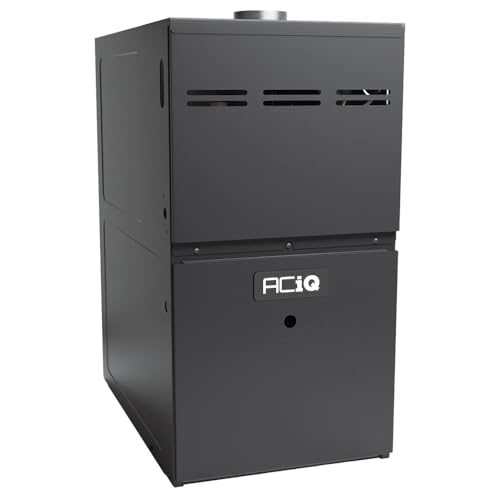
- Entry-level furnaces (standard efficiency): Typically 80% AFUE. These units vent through a metal flue and are a solid choice where replacing existing standard-efficiency equipment is the priority. They are durable and straightforward to service.
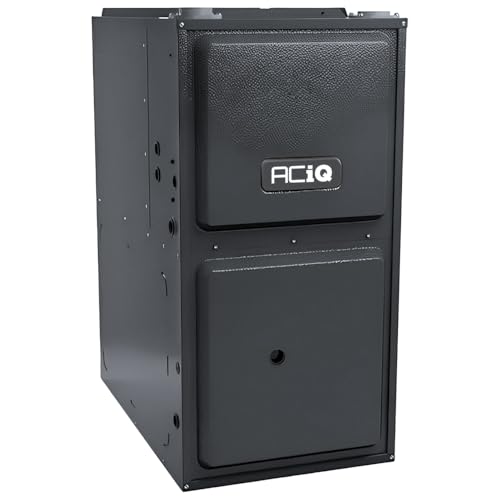
- Mid-range furnaces (high efficiency): Usually 90–95% AFUE, condensing design with PVC venting. These offer strong long-term energy performance and are well-specified for most modern homes.
- Premium furnaces (top-tier efficiency): 96–98% AFUE with modulating gas valves, variable-speed blowers, and advanced controls. These deliver the most consistent comfort and quietest operation in the top tier.
By Airflow Configuration
- Upflow: Air enters at the bottom and exits at the top. The most common configuration in basements and utility closets.
- Downflow: Air enters at the top and exits at the bottom. Used when ductwork runs below the furnace, often in attics or on main floors.
- Horizontal: Airflow runs side-to-side. Ideal for attics, crawlspaces, and tight installations.
By Venting Method
- Atmospheric (natural draft): Uses a metal flue and relies on rising hot gases. Common in entry-level units.
- Direct vent (sealed combustion): Draws outdoor air for combustion and vents through a side wall or roof. Safer for tight homes and allows flexible placement.
- Non-direct vent: Uses indoor air for combustion with a single PVC pipe. Still a condensing design but simpler to install.
Single-Stage vs. Two-Stage vs. Modulating
| Type | How It Operates | Best For |
|---|---|---|
| Single-stage | Full heat output or off. Simpler design. | Mild climates, entry-level budgets, simple duct systems |
| Two-stage | Low heat for mild days, high heat for cold snaps. | Most homes; balanced comfort and efficiency |
| Modulating | Adjusts output in fine increments (often 1% steps). | Cold climates, multi-zone homes, premium comfort |
How to Size a Natural Gas Forced Air Furnace
Sizing is the single most important decision in furnace selection. An oversized furnace short-cycles, wears out faster, and creates temperature swings. An undersized furnace runs continuously and struggles during cold snaps. Proper sizing relies on a room-by-room heat load calculation—commonly called a Manual J calculation—not a rule-of-thumb guess.
What Goes Into a Heat Load Calculation
- Climate zone: Design outdoor temperature for your region drives the heating load.
- Home envelope: Insulation levels in walls, attic, and floors; window type, count, and orientation; air sealing quality.
- Square footage and volume: Total conditioned space plus ceiling height.
- Ductwork: Location (attic vs. conditioned space), insulation, and leakage.
- Occupancy and internal gains: Number of occupants, appliances, and lighting.
- Infiltration: How much outdoor air leaks in through gaps and penetrations.
Modern furnaces are rated in BTUs per hour (BTU/h) of output. Your contractor should present a load calculation showing the required output for your home, then select a furnace whose output matches that figure—not simply the largest unit available.
Understanding AFUE Efficiency Ratings
AFUE (Annual Fuel Utilization Efficiency) expresses how much of the energy in natural gas is converted into usable heat over a typical heating season. A 90% AFUE furnace converts 90% of the fuel's energy into heat, with the remainder lost through venting and standby losses.
- 80% AFUE (entry-level): Standard efficiency. Heat exchanger and flue gases stay hot enough to vent through metal pipe. Simpler, durable, and widely serviceable.
- 90–95% AFUE (mid-range): Condensing design captures latent heat from flue gases. Requires PVC venting and a condensate drain. Strong efficiency in the mid-tier.
- 96–98% AFUE (premium): Top-tier condensing units with advanced heat exchangers, modulating burners, and variable-speed blowers. Highest efficiency and comfort consistency.
Higher AFUE units generally require a higher upfront investment but deliver lower operating energy use over the life of the equipment. The break-even point depends on your climate, local gas rates, and how long you plan to stay in the home. For a broader look at how heating and cooling equipment work together, explore our resources on new air conditioner and furnace systems.
Natural Gas Forced Air Furnace Buying Checklist
Use this checklist to evaluate any furnace proposal you receive. It is organized around the decisions that matter most for long-term satisfaction.
1. Verify the Heat Load Calculation
Confirm the contractor performed a room-by-room Manual J calculation. The proposed furnace output should match the calculated load within a reasonable margin.
2. Confirm the Efficiency Tier Fits Your Goals
If you plan to stay in the home for many years, a mid-range or premium condensing furnace often makes sense. If you are replacing a unit in a rental property or a home you may sell soon, an entry-level 80% unit can be a practical choice.
3. Check the Blower Motor
An ECM variable-speed blower delivers quieter, more consistent airflow and lower electrical use compared with a standard PSC motor. In the mid-range and premium tiers, ECM blowers are standard.
4. Review Venting Requirements
High-efficiency condensing furnaces need PVC venting and a condensate drain. Confirm your home has a viable path for the vent and drain before committing. Placement flexibility may also require a wall mounting bracket solution for related outdoor equipment, though furnaces themselves are indoor units.
5. Ask About Combustion Air and Safety
Sealed-combustion (direct vent) designs draw outdoor air and are preferable in tightly built homes. Confirm the installer will test for proper combustion and verify no carbon monoxide risk.
6. Confirm Ductwork Compatibility
A high-efficiency furnace paired with leaky, undersized ducts will underperform. Ask whether the contractor will inspect and seal ducts as part of the project. Duct issues often surface as cooling problems in summer, but they affect heating performance just as much.
7. Understand the Warranty Structure
Typical warranties cover the heat exchanger for a longer period than other components. Ask for the warranty document in writing and confirm whether registration is required to keep coverage valid.
8. Plan for Maintenance
Annual professional service preserves efficiency and safety. Between visits, homeowners should replace filters regularly. If your system ever shows symptoms like blowing hot air when heat is expected or unusual airflow patterns, treat it as a service trigger.
Installation Considerations
Furnace installation is not a do-it-yourself project. Natural gas connections, combustion safety, venting, and electrical work all require licensed professionals and, in most jurisdictions, permits and inspections.
What to Expect During Installation
- Removal and disposal: The old furnace is disconnected, removed, and disposed of according to local rules.
- Gas line and electrical: A licensed technician connects the gas supply, installs a shutoff valve, and wires the unit to a dedicated circuit.
- Venting: New flue or PVC venting is routed to code. Condensing units need a condensate drain with a trap.
- Duct connections: Supply and return plenums are sealed and connected. Transition fittings may be fabricated on site.
- Commissioning: The installer measures gas pressure, verifies combustion, checks temperature rise, and confirms airflow.
Permits and Inspections
Most municipalities require a mechanical permit for furnace replacement. The inspection confirms code-compliant gas piping, venting, and clearances. Skipping permits can complicate home sales and void insurance coverage.
Coordinating with Other Trades
If you are also adding electrical circuits for related equipment, see our notes on new electrical outlets for planning guidance. Whole-home projects benefit from sequencing trades correctly.
Maintenance for Long-Term Performance
A natural gas forced air furnace is a durable appliance, but it rewards consistent care. A well-maintained unit runs more efficiently, lasts longer, and operates more safely.
Homeowner Tasks
- Replace the air filter every 1–3 months depending on filter type and household conditions (pets, dust, smoking).
- Keep vents and returns clear of furniture, rugs, and obstructions.
- Check the condensate drain on condensing models for clogs or algae growth.
- Listen for changes in sound or airflow—new noises often signal a developing issue.
Professional Tasks (Annual)
- Inspect and clean the heat exchanger for cracks or corrosion.
- Clean burners and check flame characteristics.
- Measure gas pressure and verify combustion readings.
- Lubricate moving parts where applicable and check the blower motor.
- Test safety controls, limit switches, and the flame sensor.
- Verify temperature rise against the manufacturer's specification.
Warning Signs That Need Immediate Attention
- Yellow or flickering burner flame (should be crisp blue).
- Carbon monoxide detector alarms.
- Soot deposits around the furnace or vent.
- Rumbling, banging, or screeching sounds during operation.
- Persistent odd smells or moisture around the unit.
If you notice symptoms that resemble system-wide airflow failure, such as turning on but not blowing air, stop using the system and call a technician.
When to Repair vs. Replace a Furnace
Most forced air furnaces last 15–20 years with proper maintenance. Repair versus replacement decisions usually come down to age, safety, and efficiency.
| Scenario | Typical Recommendation |
|---|---|
| Under 10 years old, single failed component | Repair is usually the sensible path |
| 10–15 years old, major component failure (blower, control board) | Compare repair against replacement; weigh efficiency gains |
| Cracked heat exchanger (any age) | Replace immediately—safety hazard |
| 15+ years old, recurring failures | Replacement typically makes more sense than repeated repairs |
When replacing, consider whether to also upgrade the cooling side of the system. Our guide on new air conditioner and furnace combinations covers matched-system decisions.
Frequently Asked Questions
How long does a natural gas forced air furnace last?
With annual professional maintenance and regular filter changes, most furnaces last 15–20 years. Entry-level units often reach the lower end of that range, while premium units with advanced controls and robust heat exchangers can exceed it.
What AFUE rating should I choose?
In cold climates where the furnace runs heavily, mid-range or premium condensing units (90%+ AFUE) typically deliver the best long-term energy performance. In milder climates or for shorter ownership horizons, entry-level 80% units remain a practical, durable choice.
Can I install a furnace myself?
No. Gas piping, combustion safety, venting, and electrical work require licensed professionals and permits in nearly all jurisdictions. Improper installation creates serious carbon monoxide and fire risks.
How often should the filter be changed?
Every 1–3 months for standard 1-inch filters, more frequently in homes with pets or high dust. Thicker media filters may last longer, but always follow the filter manufacturer's guidance.
Why does my furnace short-cycle?
Short cycling—rapid on-off operation—usually indicates an oversized furnace, restricted airflow (clogged filter or duct issue), or a thermostat placement problem. A technician can diagnose the root cause with pressure and temperature measurements.
Is a high-efficiency furnace worth it?
For homeowners in cold climates planning to stay long-term, a high-efficiency condensing furnace is often a worthwhile investment due to lower operating energy use and quieter, more consistent comfort. The payback depends on local gas rates and climate severity.
What is the difference between a furnace and a heat pump?
A furnace generates heat by burning natural gas. A heat pump moves heat from outdoor air into the home using electricity. In cold climates, a dual-fuel system can pair a heat pump for mild weather with a gas furnace for deep cold, combining efficiency and reliability.
Ready to Compare Furnace Options?
Explore our recommended natural gas forced air furnaces below, organized by efficiency tier and feature set.
VIEW RECOMMENDED MODELS