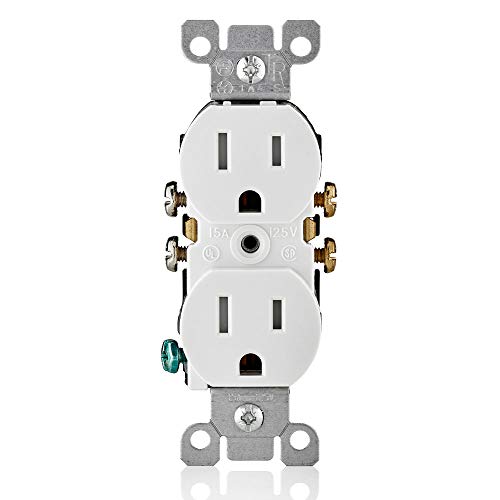
New Electrical Outlets for AC Installation
Everything you need to know about dedicated circuits, outlet types, voltage requirements, and safe electrical setup before installing your air conditioner
EXPLORE OUTLET TYPESWhy Electrical Outlets Matter for AC Performance: An air conditioner is one of the most power-hungry appliances in a home. Choosing the right new electrical outlet — and having it installed on a properly sized dedicated circuit — is the foundation of safe, reliable, and efficient cooling. This guide walks you through outlet types, amperage requirements, wiring considerations, and code compliance so you can plan your AC installation with confidence.
Understanding AC Electrical Requirements
Why Air Conditioners Need Dedicated Circuits
Air conditioners draw a significant amount of current, especially during compressor startup. Sharing a circuit with other appliances can cause voltage drops, tripped breakers, and premature equipment wear. A dedicated circuit — a circuit that serves only the AC unit — ensures stable power delivery and protects both the appliance and your home's wiring.
Most residential AC installations require one of two voltage configurations:
- 120V circuits — Common for small window units and portable ACs up to about 12,000 BTU. These typically use a standard NEMA 5-15 or NEMA 5-20 outlet.
- 240V circuits — Required for central AC, ductless mini-splits, and larger window units. These use NEMA 6-series outlets and provide more power with less current draw.
If you are planning a full system replacement or adding a new air conditioner and furnace, the electrical panel and outlet layout should be evaluated together as part of the overall project scope.
Types of Electrical Outlets for Air Conditioners
The right outlet depends on your AC type, capacity, and voltage. Below is a breakdown of the most common outlet configurations used in residential cooling installations.
NEMA 5-15 (120V, 15A)
The standard household outlet. Suitable for small window AC units and portable units up to roughly 12,000 BTU. Requires a dedicated 15-amp circuit for AC use.
NEMA 5-20 (120V, 20A)
Offers more headroom for larger 120V window units and portable ACs. Uses a T-shaped neutral slot. Requires a 20-amp dedicated circuit.
NEMA 6-15 (240V, 15A)
Common for small ductless mini-split systems. Provides 240V power for efficient inverter-driven compressors. Requires a dedicated 15-amp double-pole breaker.
NEMA 6-20 (240V, 20A)
The standard for most residential mini-splits and larger window ACs. Handles up to 20 amps at 240V. Requires a dedicated 20-amp double-pole breaker.
Outlet Comparison by AC Type
| AC Type | Typical Voltage | Recommended Outlet | Best For |
|---|---|---|---|
| Small Window AC (up to 12,000 BTU) | 120V | NEMA 5-15 or 5-20 | Bedrooms, small offices, studio apartments |
| Large Window AC (12,000–18,000 BTU) | 120V or 240V | NEMA 5-20 or NEMA 6-15 | Living rooms, large bedrooms |
| Ductless Mini-Split (single zone) | 240V | NEMA 6-15 or 6-20 | Room additions, garages, home offices |
| Multi-Zone Mini-Split | 240V | NEMA 6-20 or hardwired | Whole-home ductless cooling |
| Central AC (residential) | 240V | Hardwired (no outlet) | Whole-home cooling systems |
| Portable AC | 120V | NEMA 5-15 (dedicated) | Temporary or rental cooling solutions |
Installation Considerations for New Outlets
Circuit Sizing and Breaker Requirements
The outlet must match the circuit breaker size and the wire gauge used. A 15-amp outlet should be paired with 14-gauge wire and a 15-amp breaker, while a 20-amp outlet requires 12-gauge wire and a 20-amp breaker. For 240V circuits, a double-pole breaker is used, and the wiring must be rated for the circuit's amperage.
Undersized wiring or breakers can overheat and create a fire risk. Oversized breakers without matching wire gauge offer no protection. Always match the outlet, wire, and breaker as a set — and have a licensed electrician verify the load calculation for your panel.
GFCI and AFCI Protection
Many jurisdictions now require GFCI (Ground Fault Circuit Interrupter) protection for outlets in garages, basements, and outdoor locations where AC units are often installed. AFCI (Arc Fault Circuit Interrupter) protection may also be required for new circuits in living spaces. These protective devices shut off power when they detect dangerous conditions, preventing shocks and electrical fires.
Outlet Placement and Accessibility
The outlet should be positioned close enough to the AC unit's power cord to avoid strain, but not so close that the cord is bent sharply. For window units, the outlet should be within reach without extension cords. For mini-splits, the outdoor condenser and indoor air handler may each require separate power connections — check the installation manual for specifics.
If you are still deciding between system types, our guide to multi-zone mini-split systems explains how electrical needs differ across configurations.
Permits and Inspections
Adding a new electrical circuit almost always requires a permit and inspection in the United States. Skipping this step can void homeowner's insurance, create liability issues, and cause problems when selling your home. A licensed electrician will typically handle the permitting process as part of the job.
Common Mistakes to Avoid
- Using an extension cord — Air conditioners should never be powered through an extension cord. The cord can overheat and cause a fire. Install the outlet within cord reach or have the unit hardwired.
- Sharing a circuit with other appliances — A shared circuit may trip repeatedly, especially during compressor startup. Dedicate a circuit to the AC unit.
- Ignoring voltage requirements — Plugging a 240V unit into a 120V outlet (or vice versa) will damage the equipment and create a safety hazard. Verify the nameplate voltage before purchasing an outlet.
- Skipping GFCI protection in wet locations — Condensate, rain, and humidity near outdoor units make GFCI protection essential.
- DIY electrical work without experience — Electrical mistakes can be fatal. Hire a licensed electrician for all new circuit installations.
Planning Electrical for Future Cooling Needs
If you are adding a new outlet for an AC unit, consider whether you may expand your cooling system later. A single-zone mini-split may eventually become a multi-head mini-split system, or a room addition may require its own zone. Running a slightly larger circuit or adding a subpanel during the initial installation can save significant labor later.
For homeowners exploring off-grid or solar-assisted cooling, electrical planning becomes even more important. Our guide to off-grid solar AC covers the unique electrical considerations for those setups.
If you are troubleshooting an existing unit rather than installing a new one, issues like an AC turning on but not blowing air or a compressor that is not running can sometimes trace back to electrical supply problems — another reason to get the outlet and circuit right from the start.
Ready to Choose the Right AC for Your Home?
Now that you understand the electrical foundation, explore our recommended air conditioners below — each matched to common outlet and circuit configurations.
VIEW RECOMMENDED AC UNITSFrequently Asked Questions
Do I need a new electrical outlet for my air conditioner?
Most air conditioners require a dedicated circuit, especially central AC units, mini-splits, and larger window units. If your existing outlet is not on a dedicated circuit or does not match the required voltage and amperage, a new electrical outlet is necessary.
What type of outlet does a mini-split AC need?
Most residential ductless mini-split systems require a dedicated 240V circuit with a NEMA 6-15 or NEMA 6-20 outlet, depending on the system capacity. Smaller units may use a 120V NEMA 5-15 outlet.
Can I install a new electrical outlet for my AC myself?
Electrical work for AC installation should be performed by a licensed electrician. Improper wiring can cause fire hazards, equipment damage, and void your warranty. Many jurisdictions also require permits and inspections for new electrical circuits.
How far should the outlet be from the AC unit?
The outlet should be within reach of the unit's power cord without using an extension cord. For window units, the outlet is typically within a few feet. For mini-splits, the outdoor condenser and indoor unit may have separate power requirements — refer to the installation manual for exact cord lengths and placement guidance.
What is the difference between a 120V and 240V outlet for AC?
A 120V outlet provides standard household power and is used for smaller AC units. A 240V outlet delivers twice the voltage, allowing the same cooling capacity with less current draw. Larger AC systems use 240V for efficiency and to reduce strain on wiring.
Does a portable AC need a dedicated outlet?
Yes, portable AC units draw significant current and should be plugged into a dedicated 120V circuit. Sharing a circuit with other appliances can cause breaker trips, especially during compressor startup.
Why does my AC keep tripping the breaker after a new outlet installation?
A tripping breaker usually indicates an undersized circuit, a loose connection, or a shared circuit overload. If the problem persists after installation, have a licensed electrician inspect the wiring, breaker size, and outlet connections. Issues like a compressor running but not cooling can sometimes be related to insufficient power delivery.