Normal Humidity Inside the House
Understand what healthy indoor humidity looks like, why it matters for comfort, health, and your air conditioner, and how to keep every room in balance throughout the year.
EXPLORE THE GUIDEQuick answer: The normal humidity inside the house is generally between 30% and 50% relative humidity (RH). Most healthy homes feel best around 40% to 50% RH. Readings below 30% feel dry and irritate airways, while readings above 60% encourage mold, dust mites, and condensation. The sweet spot depends on climate, season, and individual sensitivity.
What Normal Humidity Actually Means
Relative humidity explained in plain language
Relative humidity is the amount of water vapor in the air compared with the maximum the air could hold at that same temperature. A reading of 45% RH means the air is holding about 45% of its capacity. Warm air holds more moisture than cool air, which is why the same moisture level can feel humid in summer and dry in winter.
When people ask about normal humidity inside the house, they are usually asking a practical question: what level keeps a home comfortable without damaging the building or the people living in it? The answer is a range rather than one number, because indoor humidity fluctuates with weather, cooking, showering, laundry, occupancy, and the performance of your HVAC system.
A well-balanced home stays inside the recommended band most of the time. Short spikes during a hot shower or while boiling pasta are normal. Problems begin when readings sit above or below the healthy range for days or weeks. Persistent high humidity is the more common issue in many climates, and it directly affects how hard your air conditioner has to work. If you notice your system struggling while rooms still feel clammy, it may be worth reviewing your outdoor air conditioner for humid climates setup and how it handles moisture removal.
Recommended humidity ranges at a glance
| Relative Humidity (RH) | Category | Typical Effect |
|---|---|---|
| Below 30% | Too dry | Dry skin, static, irritated sinuses, wood cracking |
| 30% – 50% | Normal / healthy | Comfortable air, good sleep, low mold risk |
| 50% – 60% | Upper acceptable | Feels slightly muggy in warm weather; watch for condensation |
| Above 60% | Too humid | Mold growth, musty odors, dust mites, clammy feeling |
Many building scientists and health organizations converge on 40% to 50% RH as the ideal target for occupied homes. This band balances comfort with safety for the structure and its occupants.
Why Indoor Humidity Matters for Your Home and Health
Health and comfort effects
Humidity shapes how we feel far more than most people realize. Dry air dries out mucous membranes, making us more vulnerable to colds and irritated sinuses. Overly humid air makes sweat evaporate slowly, so we feel sticky and overheated even when the thermostat is set sensibly. Both extremes disturb sleep quality.
- Breathing: Balanced humidity keeps airways moist and comfortable. Extremely dry air can trigger coughing and nosebleeds.
- Allergies: Dust mites thrive above 50% RH. Keeping humidity under control reduces allergen populations.
- Skin: Dry air strips moisture from skin; high humidity can worsen heat rash and fungal irritation.
- Sleep: Most people sleep best when the bedroom sits near 40% to 50% RH.
Structural and HVAC effects
Moisture is one of the most damaging forces in a home. Sustained high humidity feeds mold on walls, ceilings, and in closets. It rots window frames, warps wood floors, and causes condensation on cold surfaces. It also makes your air conditioner work harder, because a large share of its job is removing moisture, not just cooling air.
On the opposite side, air that is too dry cracks wood furniture, separates floorboards, and increases static electricity. It can also dry out houseplants and make forced-air heating feel colder than the thermostat suggests. If humidity problems keep appearing while your system runs, the root cause may be elsewhere; our guide on why the air conditioner is not blowing cold air covers diagnostics that often overlap with humidity complaints. For homes with chronic moisture issues, understanding the proper role of the outdoor condensing unit helps you evaluate whether the system is doing its part.
How to Measure Humidity in Your Home
Simple tools that give reliable readings
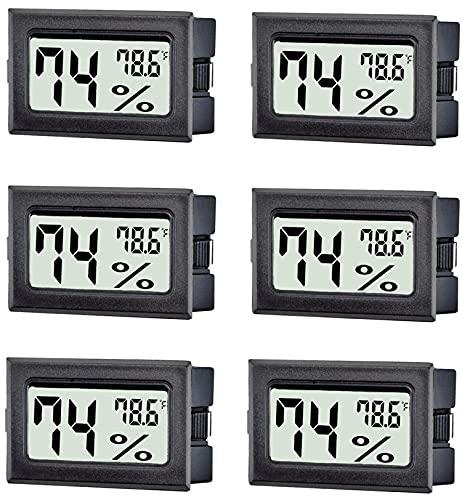
You cannot manage what you do not measure. A basic hygrometer or a smart thermostat with humidity sensing is enough to understand your home's patterns. Place sensors in several rooms, especially the bedroom, bathroom, and basement, and note readings at different times of day.
- Digital hygrometer: A standalone sensor that displays relative humidity and temperature. An essential-tier device is usually enough for a single room.
- Smart thermostat: Many mid-range and premium thermostats report indoor humidity and can trigger ventilation or dehumidification.
- Portable monitor: Handheld meters help you compare rooms and check basements, attics, and crawl spaces.
Track readings for a week before making changes. Patterns matter more than a single snapshot. Morning readings tend to be higher, and kitchens and bathrooms spike after use.
Where to place sensors
Keep sensors away from direct sunlight, exterior doors, vents, and appliances that generate heat or steam. A sensor placed directly under an air handler will read artificially dry, while one near a shower will always read high. Mount sensors at about chest height for the most representative reading.
Common Causes of Abnormal Indoor Humidity
Why homes drift too humid
- Outdoor climate: In warm, humid regions, humid air enters through doors, windows, and gaps in the building envelope.
- Everyday moisture sources: Showering, cooking, laundry, and even breathing add significant moisture. A family of four can add several gallons of water vapor per day.
- Oversized air conditioning: A system that cools too quickly may not run long enough to dehumidify properly. This is one reason sizing matters so much.
- Poor ventilation: Bathroom and kitchen exhaust fans that are missing or weak let moisture accumulate.
- Damp foundations and basements: Ground moisture migrates upward and raises humidity throughout the home.
Why homes drift too dry
- Cold outdoor air: Winter air holds very little moisture, and heating it further lowers relative humidity indoors.
- Heating systems: Furnaces and heat pumps warm air without adding moisture.
- Air leaks: Dry outdoor air infiltrates through gaps, especially around doors and windows.
- High-elevation or desert climates: Naturally low ambient humidity.
Practical Ways to Maintain Normal Humidity
Reducing excess humidity
- Use exhaust fans consistently: Run bathroom fans during and for 15 to 20 minutes after showers, and use the kitchen range hood while cooking.
- Seal the building envelope: Weatherstripping, caulking, and door sweeps limit humid outdoor air from entering.
- Ventilate strategically: Open windows briefly when outdoor air is drier, especially in mild seasons.
- Address basement moisture: Fix gutters and grading so water drains away from the foundation. A basement dehumidifier is often the simplest fix.
- Use a whole-home or portable dehumidifier: Choose a capacity suited to the space and target 40% to 50% RH.
Raising low humidity in winter
- Add a humidifier: Portable units work well for single rooms, while whole-home humidifiers integrate with the HVAC system.
- Target 30% to 40% in cold weather: Higher targets risk condensation on cold windows and walls.
- Keep doors to unused rooms closed: This concentrates moisture where it is needed.
- Monitor window condensation: If windows sweat, lower the humidifier setting slightly.
Using your air conditioner as a humidity tool
Air conditioners are powerful dehumidifiers when they run long enough. To help them do their job, set a comfortable temperature rather than an extreme one, keep filters clean, and avoid oversized systems that short-cycle. In humid climates, pairing the right equipment with sensible habits matters; our overview of a outdoor cooling system for humid climates explains the trade-offs. Homeowners replacing equipment often ask how newer refrigerants affect performance, which is covered in our guide to new refrigerant standards.
Seasonal Humidity Guide
Summer, winter, and everything between
| Season | Typical Challenge | Recommended Focus |
|---|---|---|
| Summer | High outdoor humidity, condensation | Dehumidify, seal gaps, run AC steadily |
| Shoulder seasons | Mixed weather, mild temperatures | Ventilate when outdoor air is dry |
| Winter | Very dry indoor air from heating | Add targeted moisture, watch for window condensation |
Frequently Asked Questions
Is 60% humidity inside a house too high?
Yes, sustained 60% RH sits at the edge of comfort and raises mold and dust mite risk. Aim for 40% to 50% for most homes.
Is 55% humidity normal indoors?
It is on the upper edge of the healthy range. In warm weather it may feel slightly muggy, and long-term exposure above 50% increases mold risk. Bringing it below 50% is prudent.
What is the healthiest humidity level for a bedroom?
Most sleep experts favor 40% to 50% RH. This range supports comfortable breathing and reduces allergen activity.
Does running the air conditioner lower humidity?
Yes. An air conditioner removes moisture while cooling. However, an oversized unit that cools quickly may not run long enough to dehumidify effectively.
Should I use a dehumidifier with central air conditioning?
In humid climates, a dedicated dehumidifier often complements the air conditioner, especially in basements and during mild weather when the AC does not run much.
Why is my home humid even with the AC on?
Common causes include oversized equipment, dirty filters, leaking ducts, poor ventilation, and humid outdoor air infiltrating the home. Start by checking filters and airflow, then evaluate system sizing.
Takeaway: Keep your home between 30% and 50% RH, aim for 40% to 50% in living spaces, measure with a hygrometer, and address the source of moisture or dryness before relying on appliances alone. Small, consistent habits deliver more stable indoor humidity than any single device.
Disclaimer
Some of the content on this site uses AI assistance. Information is provided for educational purposes only. We are not responsible for any losses resulting from the use of this information. By using this site, you waive any right to bring legal claims against us arising from your use of the information provided. If you do not agree, please do not use this site. Read the full disclaimer.