Outdoor Condensing Unit: The Complete Guide to AC Outdoor Units
The outdoor condensing unit is the heart of any split air conditioning system. Understanding how it works, where to place it, and how to maintain it helps you get the best cooling performance and lifespan from your system.
Why this matters: Most homeowners interact only with the indoor thermostat, yet the outdoor condensing unit does the heavy lifting of moving heat out of your home. When it underperforms, cooling suffers, energy use rises, and repairs follow. This guide explains the outdoor condensing unit in plain language so you can make informed decisions before you buy, service, or troubleshoot your system.
What Is an Outdoor Condensing Unit?
An outdoor condensing unit is the portion of a split-system air conditioner that sits outside your home. It is a weather-resistant metal cabinet containing the compressor, the condenser coil, and the condenser fan. Its job is to release heat that the indoor evaporator coil absorbed from your living space, completing the refrigerant cycle that keeps your rooms cool.
In a split system, the outdoor condensing unit pairs with an indoor air handler or furnace coil. Together they form a closed loop through which refrigerant travels, changing pressure and temperature to move heat from indoors to outdoors. For a deeper explanation of the full cycle, see outdoor air conditioning unit.
Key Components Inside an Outdoor Condensing Unit
Each part of the outdoor unit plays a specific role. Knowing them helps you understand service visits and troubleshoot common symptoms.
Compressor
The pump that circulates refrigerant and raises its pressure. Often called the heart of the system, it is the most critical and most protected component.
Condenser Coil
A network of copper or aluminum tubing with fins that releases heat from the refrigerant to the outside air. Dirty coils are a leading cause of poor cooling.
Condenser Fan
Draws outside air across the condenser coil to speed up heat rejection. A stalled fan can cause overheating and high-pressure shutdowns.
Contactor & Capacitor
Electrical parts that start and run the compressor and fan motor. Failed capacitors are among the most common service calls.
Service Valves
Connection points where the refrigerant lines meet the unit. Technicians use them to charge, recover, or isolate refrigerant during service.
Weatherproof Cabinet
A powder-coated steel enclosure that protects internal parts from rain, sun, and debris while allowing airflow.
How an Outdoor Condensing Unit Works
Understanding the basic refrigerant cycle clarifies why the outdoor unit matters so much:
- The indoor evaporator coil absorbs heat from your home's air, turning low-pressure liquid refrigerant into a gas.
- The compressor in the outdoor condensing unit compresses that gas, raising both its pressure and its temperature.
- Hot, high-pressure gas enters the condenser coil, where the condenser fan blows outside air across the coil.
- The refrigerant releases heat and condenses back into a liquid.
- The liquid travels through the expansion device and returns to the indoor coil, and the cycle repeats.
If any step in this loop is disrupted — a dirty condenser coil, a failed fan, or a weak compressor — the entire system's cooling capacity drops. That is why the outdoor unit deserves regular attention, not just the indoor filter.
Types of Outdoor Condensing Units
Outdoor condensing units vary by system design. The right type depends on your home's existing ductwork, climate, and layout.
Central AC Condensing Unit
The traditional single outdoor unit connected to a whole-home ducted system. It serves multiple rooms through ductwork. For homes with existing ducts, this is the most common configuration. Learn more about system-level options in the outside AC unit fan spinning but no cold air troubleshooting guide when performance drops.
Ductless Mini-Split Outdoor Unit
A smaller outdoor unit connected to one or more indoor wall, ceiling, or floor-mounted heads. These are ideal for rooms without ducts or for zone cooling. Single-zone and multi-zone mini-split systems use the same outdoor condensing technology with different indoor configurations.
Heat Pump Outdoor Unit
A heat pump uses the same outdoor condensing unit hardware but can reverse the refrigerant cycle to provide heating in winter. If you need both cooling and heating from one unit, a heat pump configuration is worth considering.
Commercial-Grade Condensing Units
Larger, heavy-duty outdoor units built for rooftop or ground-level installation in commercial buildings. They typically feature reinforced cabinets, higher-capacity compressors, and serviceable components for professional maintenance.
Comparing Outdoor Condensing Units by Market Tier
Condensing units are commonly grouped into market tiers based on build quality, efficiency features, and serviceability. Instead of focusing on numbers, use these tiers to align expectations with your situation.
| Tier | Best For | Typical Characteristics |
|---|---|---|
| Entry-Level | Rentals, light-use rooms, temporary setups | Standard single-stage compressor, basic cabinet protection, essential controls. A solid choice for occasional use where simplicity matters more than advanced features. |
| Mid-Range | Primary homes, daily-use cooling, most households | Better coil protection, quieter fan operation, improved weather-resistant coating, and more serviceable components. Feature-rich for its class and a balanced tier for long-term use. |
| Premium | High-efficiency homes, hot climates, long-term investment | Two-stage or variable-speed compressor options, advanced corrosion protection, quieter operation, and higher energy efficiency. A worthwhile investment for owners who plan to stay long-term. |
| Commercial-Grade | Offices, retail spaces, multi-unit properties | Heavy-duty construction, reinforced cabinets, high-capacity compressors, and accessibility for professional maintenance. Built for continuous operation. |
Within any tier, the quality of installation often matters more than the unit's feature list. A well-installed mid-range unit will typically outperform a poorly installed premium one.
Where to Place the Outdoor Condensing Unit
Placement affects efficiency, noise, and lifespan. Follow these guidelines:
- Clearance: Leave at least 12–24 inches of space on all sides and above the unit so air can flow freely. Restricted airflow raises head pressure and stresses the compressor.
- Shade: A shaded location reduces the workload on the condenser coil. However, avoid enclosing the unit in a way that blocks airflow.
- Level surface: Mount the unit on a level, sturdy pad or bracket. Uneven surfaces cause vibration and premature wear. Wall mounting brackets help in tight spaces — see outdoor wall mounting bracket for ductless mini-split air conditioners.
- Avoid recirculation: Do not place the unit where its own hot exhaust air can be drawn back in. Leave distance from walls, fences, and other units.
- Access for service: Leave room for a technician to open panels, check refrigerant pressures, and clean the coil.
Maintenance Tips for Outdoor Condensing Units
Regular maintenance keeps your outdoor unit efficient and extends its service life. Most tasks take minutes and require no special tools:
- Clean the condenser coil: Rinse gently with a garden hose and remove debris. Bent or clogged fins reduce heat rejection.
- Remove debris: Clear leaves, grass clippings, and dirt from around and inside the cabinet.
- Check the fan: With the power off, confirm the fan blade spins freely and is not obstructed.
- Straighten fins: Use a fin comb to restore airflow through damaged coil fins.
- Inspect the cabinet: Look for rust, loose panels, or signs of pest nesting.
- Schedule professional service: An annual tune-up checks refrigerant charge, electrical components, and compressor performance. If the unit is not running at all, see outside AC unit not running for initial checks.
Troubleshooting Common Outdoor Condensing Unit Problems
When cooling fades, the outdoor unit is often the first place to investigate. Here are common symptoms and what they usually point to:
Unit Not Running
Check the circuit breaker, thermostat settings, and the outdoor disconnect. If power is present, a failed capacitor or contactor is a likely cause.
Fan Spinning But No Cold Air
The fan runs but the compressor may not start. This often indicates a capacitor, contactor, or compressor issue. See outside AC unit fan spinning but no cold air.
Compressor Not Running
Could be a tripped breaker, failed run capacitor, open contactor, or a compressor fault. Electrical diagnostics are best left to a technician. More in my AC compressor is not running.
Compressor Running But No Cooling
Usually points to low refrigerant charge, a restricted expansion device, or a dirty condenser coil. See my AC compressor is running but not cooling.
Excessive Noise or Vibration
Loose panels, worn fan bearings, or an unbalanced fan blade are typical. Vibration isolation pads and tightening fasteners often resolve it.
Frozen Coils or Iced Lines
Low refrigerant or restricted airflow can freeze the indoor coil and send symptoms back to the outdoor unit. See my AC is not cooling properly.
Indoor Symptoms That Point to the Outdoor Unit
Sometimes the problem shows up indoors while the root cause sits outside. If your system behaves like this, the outdoor condensing unit is a prime suspect:
- My AC is blowing hot air in my house — the condenser may not be rejecting heat properly.
- My air conditioner is running but not blowing cold air — check refrigerant charge and compressor operation.
- My AC is off but still blowing air — thermostat or control board issues can leave the fan running while the outdoor unit stays off.
- My AC unit is running but not cooling — a common symptom of condenser-side faults.
Outdoor Condensing Units in Different Climates
Climate influences how hard the outdoor unit works and what features matter most:
- Hot, dry climates: Condenser coil cleanliness and airflow are critical. Shade and a clean coil can noticeably improve performance.
- Humid climates: Corrosion protection and drainage around the unit matter. Humidity also increases the load on the condenser. See outdoor cooling system for humid climates.
- Coastal areas: Salt air accelerates corrosion. Look for cabinets with corrosion-resistant coatings and rinse the unit periodically.
- Cold winters: If you use a heat pump, confirm the outdoor unit is rated for low-temperature operation and protected from snow buildup.
Indoor Unit vs. Outdoor Unit: Roles Compared
| Feature | Indoor Unit | Outdoor Condensing Unit |
|---|---|---|
| Primary Role | Absorbs heat from indoor air | Releases heat to outside air |
| Key Components | Evaporator coil, blower, filter | Compressor, condenser coil, condenser fan |
| Noise Level | Low; located inside living space | Higher; located outside the home |
| Maintenance | Filter cleaning, coil cleaning | Coil cleaning, electrical checks, fan inspection |
| Typical Service Issues | Clogged filter, frozen coil | Failed capacitor, dirty condenser, compressor issues |
Understanding both halves of the system helps you describe symptoms accurately to a technician and avoid unnecessary service calls.
Durability and Build Quality of Outdoor Condensing Units
Because the outdoor unit lives in the elements year-round, build quality directly affects lifespan. Look for these characteristics when evaluating any unit:
- Weather-resistant coating: Powder-coated or corrosion-treated cabinets resist rust and UV damage.
- High-grade steel enclosure: Thicker gauge steel resists dents and pest intrusion.
- Coil protection: Coated or louvered coil guards reduce debris damage and fin bending.
- Sealed electrical compartment: Keeps moisture and pests away from contactors and capacitors.
- Heavy-duty compressor mounts: Rubber isolators reduce vibration and noise.
Premium and commercial-grade tiers typically invest more in these areas. If you live in a harsh climate, prioritizing durability features is a long-term investment that pays off in reliability.
What to Consider Before Choosing an Outdoor Condensing Unit
When comparing outdoor units, focus on these decision factors rather than any single specification:
- System compatibility: The outdoor unit must match the indoor coil, refrigerant type, and system capacity.
- Efficiency class: Higher-efficiency tiers reduce operating energy over the years, especially in hot climates.
- Noise rating: If the unit sits near a bedroom or patio, quieter operation matters.
- Serviceability: Easy access to service valves and electrical panels reduces service time.
- Warranty: Compressor and parts warranties vary by tier and manufacturer.
- Installer quality: A skilled installer is as important as the unit itself. Poor installation undermines even premium equipment.
If you are replacing only the outdoor unit while keeping the indoor coil, confirm that the new unit is compatible with the existing refrigerant and coil. Mixing mismatched components can reduce efficiency and void warranties.
Frequently Asked Questions
What is an outdoor condensing unit?
An outdoor condensing unit is the part of a split air conditioning system that sits outside the home. It contains the compressor, condenser coil, and condenser fan, and it releases heat absorbed from indoor air to the outside environment.
How long does an outdoor condensing unit last?
With proper installation and regular maintenance, an outdoor condensing unit typically lasts 12 to 20 years. Climate, usage frequency, and maintenance habits all influence its lifespan.
Why is my outdoor condensing unit not running?
Common causes include a tripped circuit breaker, a failed capacitor or contactor, thermostat settings, or a compressor fault. Start by checking the breaker and thermostat before calling a technician.
Should I cover my outdoor unit in winter?
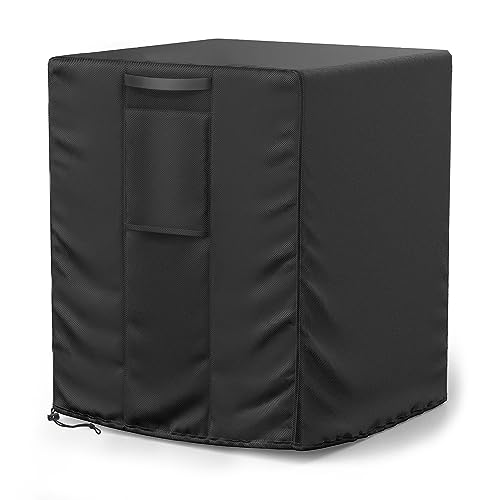
If you use the system year-round, do not cover the unit. If you shut it down for the season, a breathable cover that prevents snow and debris from entering the top can help, but avoid sealing it completely.
Can I place an outdoor unit under a deck or in a shed?
Only if there is generous airflow on all sides. Enclosed spaces cause heat recirculation and force the compressor to work harder. Partial shade is fine; full enclosure is not recommended.
Why is my outdoor unit making a loud humming noise?
A loud hum often indicates a failing capacitor, a stuck contactor, or a struggling compressor. Turn the system off at the thermostat and have a technician inspect the electrical components.
The Bottom Line
The outdoor condensing unit is not a mysterious black box — it is a predictable, serviceable part of your cooling system. Understanding its components, giving it proper clearance and airflow, cleaning the condenser coil, and addressing electrical symptoms early will keep it running efficiently for years.
When you are ready to compare models, focus on system compatibility, efficiency tier, build quality, and installer expertise rather than any single number. A well-chosen, well-installed outdoor condensing unit is a long-term investment in home comfort.