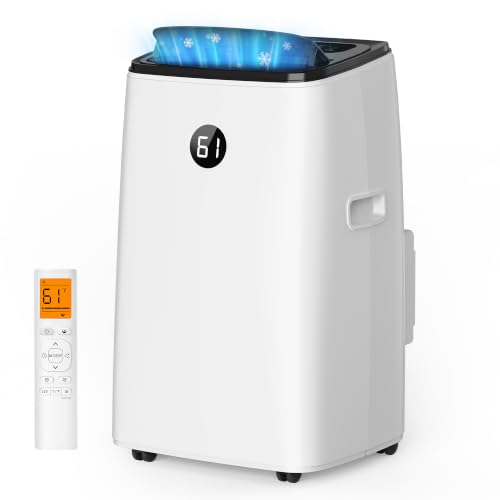
Our Air Conditioner Is Not Blowing Cold Air: Complete Troubleshooting Guide
You set the thermostat to a comfortable temperature, hear the system kick on, and wait for relief from the heat — but the vents are only pushing out room-temperature air. If your air conditioner is not blowing cold air, you are dealing with one of the most common HVAC complaints, and the good news is that many causes are simple to diagnose and fix yourself.
This guide walks you through the likely culprits in order from easiest to most complex, explains how to test each one safely, and helps you decide when a licensed technician should take over. Whether you have a window unit, a ductless mini-split, or a full central air system, the troubleshooting logic below applies across the board.
What This Guide Covers
- Quick checks before you start
- Airflow problems: filters and ducts
- Thermostat and control issues
- Frozen evaporator coil
- Dirty condenser coils and outdoor unit problems
- Refrigerant leaks and low charge
- Compressor and electrical faults
- When to call a professional
- Prevention and maintenance schedule
1. Quick Checks Before You Start
Before digging into components, confirm the basics. These simple oversights account for a surprising share of "not cooling" calls:
- Mode setting: Make sure the thermostat is set to Cool, not Fan or Heat.
- Temperature setpoint: The setpoint must be at least a few degrees below the current room temperature for the compressor to engage.
- Power supply: Check the breaker panel for a tripped circuit. For window and portable units, confirm the plug and outlet are working.
- Air filter: A filter caked with dust is the number-one cause of weak cooling. Inspect it first — it takes seconds.
Tip: If the indoor fan runs but the outdoor unit stays silent, the problem is usually on the condensing side — power, contactor, capacitor, or compressor. If both run but air is merely cool rather than cold, suspect airflow restriction or low refrigerant.
2. Airflow Problems: Filters and Ducts
Clogged Air Filter
When a filter is saturated with dust and pet hair, the blower struggles to move air across the evaporator coil. Reduced airflow means less heat exchange, so the air that does reach your rooms feels lukewarm. In severe cases, the coil ices over and cooling stops entirely. Inspect the filter monthly during peak season and replace or clean it according to the manufacturer's guidance — typically every one to three months for standard filters.
Blocked or Leaky Ducts
In ducted systems, disconnected joints, crushed flex duct, or closed dampers can starve rooms of cold air. Walk through the home and check that supply registers are open and unobstructed by furniture or rugs. If some rooms cool well while others do not, the ductwork is a prime suspect. Learn more about balancing airflow in our guide to ductwork design.
Evaporator Coil Restriction
Even with a clean filter, the evaporator coil itself can accumulate a mat of dust over time. A dirty coil insulates the refrigerant tubing from the airstream, dramatically reducing cooling capacity. Coil cleaning is a routine maintenance task, but it requires opening the air handler — consider having a technician perform a deep clean if you are unsure.
3. Thermostat and Control Issues
Modern thermostats can misreport temperature or fail to send a call for cooling. Try these checks:
- Batteries: Replace batteries in battery-powered thermostats; a weak battery can cause erratic behavior.
- Calibration: Compare the thermostat reading with a separate thermometer placed nearby. A large discrepancy suggests a faulty sensor.
- Wiring: Loose thermostat wires at the terminal block can prevent the compressor from engaging.
- Smart thermostat schedules: Verify no schedule or geofencing rule is holding the system in an energy-saving mode.
If you suspect the thermostat itself is failing, swapping in a known-good unit is a quick diagnostic. Persistent control problems may point to a low-voltage transformer or control board fault.
4. Frozen Evaporator Coil
A frozen indoor coil is one of the most recognizable symptoms of a cooling failure. Ice forms when airflow is restricted or refrigerant pressure is too low. Signs include:
- Visible frost or ice on the indoor unit or refrigerant lines.
- Weak airflow from supply vents.
- Water pooling near the air handler as ice melts.
To recover, switch the system to Fan only or turn it off entirely and let the ice melt — this can take several hours. Do not chip at the ice. Once thawed, replace the filter, inspect the coil for dirt, and restart. If the coil freezes again quickly, low refrigerant or a blower fault is likely, and you should schedule service.
5. Dirty Condenser Coils and Outdoor Unit Problems
The outdoor condensing unit rejects heat from your home. If its coils are clogged with grass clippings, cottonwood fluff, or pet hair, heat rejection suffers and cooling capacity drops. Clear debris from around the unit, hose down the coil fins gently (with power off), and trim vegetation at least two feet away.
Other outdoor-side issues include:
- Fan motor failure: The fan blade does not spin even though the compressor hums.
- Contactor or capacitor failure: A common cause of a unit that will not start.
- Tripped high-pressure switch: Often triggered by dirty coils or restricted airflow.
If the outside fan is running but the air is not cold, the compressor may not be energizing. Detailed diagnostics are covered in our article on an outside unit that runs without delivering air.
6. Refrigerant Leaks and Low Charge
Refrigerant circulates in a sealed loop — it does not get "used up." If your system is low on refrigerant, there is a leak. Common symptoms include:
- Cooling that gradually worsens over weeks or months.
- Ice on the indoor coil or the larger refrigerant line.
- A hissing or bubbling sound near the indoor or outdoor unit.
- Oil residue on tubing joints.
Refrigerant handling is regulated and requires certification in most jurisdictions. Do not attempt to add refrigerant yourself. A technician will locate the leak, repair it, evacuate the system, and recharge to the manufacturer's specified weight. If your system uses an older refrigerant, our overview of new refrigerant standards explains the transition to R32 and R454B blends.
Safety note: Refrigerant can cause frostbite and displace oxygen in enclosed spaces. Only EPA-certified technicians should open the sealed circuit. Never vent refrigerant to the atmosphere — it is both illegal and harmful to the environment.
7. Compressor and Electrical Faults
The compressor is the heart of the system. When it fails, the indoor fan may still run, but the air will never be cold. Warning signs include:
- A clicking sound followed by silence each time the system tries to start.
- The outdoor unit hums but does not spin.
- Breaker trips repeatedly when cooling engages.
- Compressor runs hot to the touch or emits a burning smell.
Capacitors and contactors are relatively straightforward electrical components that technicians test and replace routinely. A seized or shorted compressor is a more serious repair and may justify evaluating a replacement — our guide to replace versus repair helps frame that decision.
8. When to Call a Professional
DIY troubleshooting is appropriate for filters, thermostats, breakers, exterior cleaning, and thawing a frozen coil. Call a licensed HVAC technician when you encounter any of the following:
- Suspected refrigerant leak or low charge.
- Compressor not starting despite good power.
- Repeated breaker trips.
- Burning smells or scorched wiring.
- Frozen coils that return after thawing.
- Any work inside the sealed refrigerant circuit or air handler electrical panel.
If you need help finding a qualified contractor, our guide to plumbing, heating, and air conditioning contractors outlines what credentials to verify. For systems nearing end of life, an outside AC unit replacement may be more sensible than repeated repairs.
9. Prevention and Maintenance Schedule
Most cooling failures are preventable with routine care. A simple seasonal routine keeps the system efficient:
| Task | Frequency | Who Can Do It |
|---|---|---|
| Inspect and replace air filter | Monthly during cooling season | Homeowner |
| Clear debris around outdoor unit | Monthly | Homeowner |
| Rinse condenser coil fins | Seasonally | Homeowner (power off) |
| Check thermostat batteries and settings | Seasonally | Homeowner |
| Professional tune-up and refrigerant check | Annually, before peak season | Certified technician |
| Duct inspection and sealing | Every few years | HVAC contractor |
Beyond maintenance, consider upgrades that improve resilience. If your home has no ductwork, a ductless mini-split delivers zoned cooling without the losses of leaky ducts. For homes in humid climates, pairing cooling with proper humidity control — explained in our article on normal indoor humidity — keeps the space comfortable at higher thermostat setpoints.
Frequently Asked Questions
Why is my AC running but not blowing cold air?
The most common causes are a clogged air filter, dirty condenser coils, low refrigerant, a faulty thermostat, or a failing compressor. Start with the simplest checks — filter and thermostat — before calling a technician.
Can a dirty air filter cause an AC to stop cooling?
Yes. A clogged filter restricts airflow, which can cause the evaporator coil to freeze and prevent cold air from reaching your rooms. Replacing the filter is the quickest and most effective first step.
How do I know if my AC is low on refrigerant?
Signs include weak cooling, ice forming on the indoor coil or refrigerant lines, and a hissing or bubbling sound. Refrigerant is a sealed system, so low levels usually indicate a leak that requires a certified technician.
When should I call an HVAC technician instead of fixing it myself?
Call a professional for refrigerant issues, compressor problems, electrical faults, or any repair that involves opening the sealed refrigerant circuit. DIY troubleshooting is safe for filters, thermostats, breakers, and basic exterior cleaning.