
Plumbing, Heating and Air Conditioning Contractors: What Homeowners Need to Know
Understand how to evaluate contractors, read proposals, plan combined plumbing and HVAC projects, and avoid common hiring mistakes before committing to any installation.
VIEW HIRING CHECKLISTWhy this guide matters: Plumbing, heating, and air conditioning contractors often work on the same home comfort system. A boiler replacement may involve water lines, a furnace installation touches gas piping, and a central AC upgrade requires both electrical work and condensate drainage. Hiring one qualified contractor with the right licensing for the full scope reduces coordination risk, protects your warranty, and keeps the project on a single accountable timeline.
What Plumbing, Heating, and Air Conditioning Contractors Actually Handle
A full-service mechanical contractor can cover three overlapping trades. Plumbing work includes water supply lines, drain waste and vent systems, water heaters, and gas piping. Heating work includes furnaces, boilers, heat pumps, and radiant systems. Air conditioning work includes central AC, ductless mini-splits, duct design, and refrigerant handling. When one firm holds all three scopes, it can plan a system as a whole — for example, sizing a heat pump that shares an electrical circuit with an existing water heater.
Homeowners researching a new comfort system often start with general planning resources such as new HVAC systems before contacting contractors. Understanding equipment categories in advance makes contractor conversations more productive and helps you evaluate whether a proposal is technically sound.
Plumbing Scope
Water heaters, gas line sizing, drain routing, fixture rough-in, and condensate disposal for HVAC equipment. A contractor must hold the appropriate plumbing license for pressurized and gas work.
Heating Scope
Furnace and boiler replacement, heat pump commissioning, venting and combustion air analysis, and thermostat wiring. Combustion safety testing is a critical step that should appear in every proposal.
Air Conditioning Scope
Load calculation, equipment selection, line set routing, refrigerant charging by weight, and duct modification. Proper commissioning includes airflow measurement, not just a temperature check.
Combined Mechanical Projects
Heat pump conversions, dual-fuel systems, and boiler-to-hydronic upgrades that touch plumbing, heating, and cooling simultaneously. These projects benefit most from a single licensed contractor.
Licensing, Insurance, and Credentials to Verify
Trade licensing in the United States varies by state and sometimes by municipality. Some states issue separate plumbing, heating, and air conditioning licenses; others combine them into a single mechanical license. Before signing anything, verify the license number directly on your state or local licensing board website. Do not rely on a business card or a logo on a truck.
- State or local trade license: Confirm the license class covers the exact work being proposed, including gas piping and refrigerant handling.
- General liability insurance: Request a certificate of insurance naming you as the property owner and confirm the coverage is currently active.
- Workers compensation: Ask for proof of coverage. If an uninsured worker is injured on your property, the liability exposure can fall on you.
- EPA Section 608 certification: Any technician handling refrigerant must hold this certification. Ask for the technician's card, not just the company's statement.
- Manufacturer certifications: Factory-authorized status may be required for extended equipment warranties and for rebate eligibility on high-efficiency systems.
- Permit history: A contractor who resists pulling permits is a red flag. Permits trigger inspection, which protects resale value and insurance compliance.
Contractor Tiers: Matching the Provider to the Project
Contractors are not interchangeable. A small two-technician shop may be excellent for a straightforward water heater swap, while a complex dual-fuel heat pump conversion with duct redesign calls for a firm with engineering support and dedicated commissioning staff. The table below uses neutral tier descriptors rather than figures.
| Contractor Tier | Typical Project Fit | Best For |
|---|---|---|
| Starter tier | Single-trade repairs, filter and thermostat service, small water heater replacement | Routine maintenance and isolated fixes |
| Mid-tier | Furnace or AC replacement, standard heat pump installation, permit handling | Typical residential replacement projects |
| High-end tier | Dual-fuel systems, zoning, duct redesign, Manual J and Manual D documentation | Whole-home comfort upgrades and efficiency retrofits |
| Professional-grade | Multi-system commercial mechanical work, hydronic design, building code coordination | Commercial and large residential projects |
When reviewing proposals, a mid-tier contractor may provide a solid installation with standard equipment, while a high-end tier contractor typically includes a documented load calculation, commissioning report, and a longer labor warranty. Neither is automatically better — the right fit depends on project complexity. For efficiency-focused projects, reviewing new refrigerant standards in advance helps you ask contractors the right questions about equipment compatibility and future serviceability.
The Hiring Checklist: Step-by-Step Evaluation
Use this sequence for every contractor you consider. Skipping steps is where most homeowner regrets originate.
Step 1 — Verify Credentials
Check license status, insurance certificates, and EPA certification before the first site visit. Confirm the license class matches the proposed scope.
Step 2 — Request a Load Calculation
A reputable contractor performs a room-by-room load calculation instead of matching the old unit's size. Oversized equipment short-cycles and underperforms.
Step 3 — Compare Written Proposals
Each proposal should itemize equipment model numbers, labor, permits, accessories, and warranty terms. Verbal estimates cannot be compared fairly.
Step 4 — Ask About Commissioning
Demand airflow measurement, refrigerant charge verification, and combustion testing documentation. A quality installation is measurable, not subjective.
Step 5 — Review Warranty Terms
Separate equipment warranty from labor warranty. Understand what voids coverage — usually skipped maintenance, unlicensed third-party work, or improper installation.
Step 6 — Check References
Ask for recent references on similar projects and follow up. Also check permit records and complaint history with your local consumer protection office.
Common Mistakes Homeowners Make When Hiring
- Choosing on a single number: Selecting a contractor solely because one proposal is lower than the others often leads to omitted permits, undersized equipment, or minimal commissioning.
- Skipping the load calculation: Equipment sized by guesswork leads to humidity problems, higher energy use, and premature wear.
- Ignoring the permit process: Unpermitted work can complicate home insurance claims and create resale issues when an inspection is requested.
- Mixing trades without coordination: Hiring separate plumbing and HVAC contractors on a combined project often produces scheduling conflicts and finger-pointing over condensate leaks or electrical conflicts.
- Accepting vague warranty language: "Full warranty" without specifics is meaningless. Read the actual coverage documents before signing.
- Overlooking maintenance requirements: Most manufacturer warranties require documented annual maintenance. Confirm whether the contractor offers a maintenance agreement and what it covers.
Homeowners with older properties face additional considerations. Homes without existing ductwork may require a different contractor skill set, and resources on older homes without ducts can help clarify whether a ductless approach or a full duct installation fits the property.
Questions to Ask Before Signing
Bring this list to every contractor interview. Answers reveal experience level and professionalism more reliably than marketing materials.
- Will you pull the required permits, and will the inspection be scheduled before final payment?
- Can you provide the room-by-room load calculation and equipment selection documentation?
- Who performs the actual installation — your employees or subcontractors?
- What commissioning measurements will be recorded, and will I receive a copy?
- What is the labor warranty period, and what specific conditions void it?
- How do you handle refrigerant recovery and disposal in compliance with EPA rules?
- What is your process if the installed system does not meet the design temperature on a peak day?
- Can you explain the difference between the equipment models in your proposal in plain language?
Planning a Combined Plumbing and HVAC Project
Combined projects need a single point of accountability. A heat pump water heater installed alongside a new central AC, for example, shares electrical capacity, condensate routing, and sometimes physical space in a utility closet. When one mechanical contractor coordinates both, the design accounts for those interactions from the start.
For homeowners replacing an entire system, planning resources on new HVAC system pricing structures clarify the typical scope components — equipment, labor, permits, and ancillary work — so proposals can be compared on equal terms. Also consider whether the contractor handles the outdoor condensing unit placement, since outdoor condensing unit location affects noise, clearance, and service access.
The Ongoing Relationship After Installation
The best contractor relationship continues after commissioning. Annual maintenance visits keep manufacturer warranties valid, catch refrigerant leaks early, and preserve efficiency. Ask whether the contractor offers a documented maintenance program and whether technicians performing maintenance are the same ones who commissioned the system. Continuity matters — a technician familiar with your specific installation will notice deviations faster.
Keep a simple service log with dates, technician names, measurements, and parts replaced. This record strengthens warranty claims and helps future contractors understand the system's history.
Frequently Asked Questions
What should I look for in plumbing, heating, and air conditioning contractors?
Prioritize valid state or local trade licensing that covers the full scope, active general liability and workers compensation insurance, EPA Section 608 certification for refrigerant work, verifiable references on similar projects, and a written proposal that itemizes equipment, labor, permits, and warranty terms. A contractor who performs a proper load calculation and offers documented commissioning is generally more reliable than one who quotes by square footage alone.
Should I hire one contractor for plumbing, heating, and AC work?
For combined projects, a single full-service mechanical contractor reduces coordination risk and keeps one party accountable for the entire system. For isolated tasks such as a standalone drain repair, a specialized contractor with the correct license is equally appropriate. The key requirement is that the contractor's license class covers every part of the proposed scope, including gas piping and refrigerant handling.
How many contractor quotes should I collect before deciding?
Three written quotes is a widely recommended baseline for meaningful comparison. Each proposal should use the same scope definition so differences reflect actual value rather than omissions. If proposals vary significantly in included work — one includes permits and commissioning, another does not — normalize the scope before comparing, because an apparently lower proposal often reflects a narrower scope rather than a better tier.
How do I verify a contractor's license and insurance?
Look up the license number directly on your state or municipal licensing board website, not on the contractor's own materials. For insurance, request a certificate of insurance directly from the insurer or broker and confirm the policy is active and names you as certificate holder. Workers compensation coverage should be verified separately, since liability exposure from an uninsured injury on your property can fall on the homeowner.
What warranty terms should a proposal include?
A complete proposal separates equipment warranty from labor warranty. Equipment coverage is typically defined by the manufacturer and may require registration within a set period. Labor warranty should state its duration, what it covers, and what voids it — commonly skipped maintenance or work performed by unlicensed third parties. Ask for the warranty documents themselves rather than accepting a verbal summary.
Recommended Equipment for Plumbing, Heating, and Air Conditioning Projects
⚠️ AFFILIATE DISCLOSURE: This website contains affiliate links. As an Amazon Associate, we earn from qualifying purchases. If you make a purchase through these links, we may receive a small commission at no additional cost to you. Read our full affiliate policy.

I=B=R Residential Hydronic Heating Guide
Check price on Amazon
Estimator's Man-Hour Manual on Heating, Air Conditioning, Ventilating, and Plumbing
Check price on Amazon
HVAC Estimate Log: Project Estimating Workbook for Heating, Ventilation & Air Conditioning Contractors | Materials, Labor, Equipment Costs, Load ... Site Sketches, Takeoffs & Estimate Tracking
Check price on Amazon
HVAC Troubleshooting and Diagnostics: A Practical Field Workbook for Diagnosing Common Residential HVAC Problems
Check price on Amazon
How To Renovate a Basement into A Living Space: A Step-by-Step Finishing Guide for DIY homeowners and Contractors
Check price on Amazon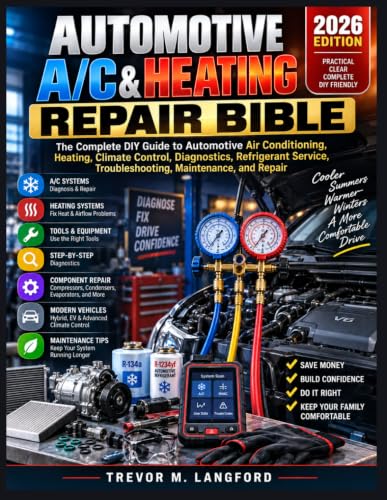
AUTOMOTIVE A/C & HEATING REPAIR BIBLE: The Complete DIY Guide to Automotive Air Conditioning, Heating, Climate Control, Diagnostics, Refrigerant Service, Troubleshooting, Maintenance, and Repair
Check price on Amazon
Heating, Ventilating and Air Conditioning: Analysis and Design
Check price on Amazon
Refrigerant Charging and Service Procedures for Air Conditioning 2nd Edition
Check price on AmazonDisclaimer
Some of the content on this site uses AI assistance. Information is provided for educational purposes only. We are not responsible for any losses resulting from the use of this information. By using this site, you waive any right to bring legal claims against us arising from your use of the information provided. If you do not agree, please do not use this site. Read the full disclaimer.