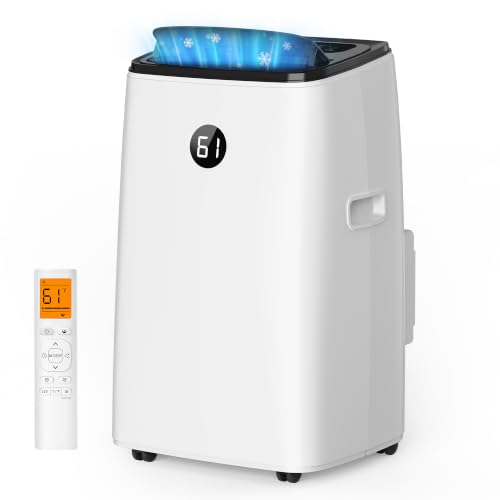
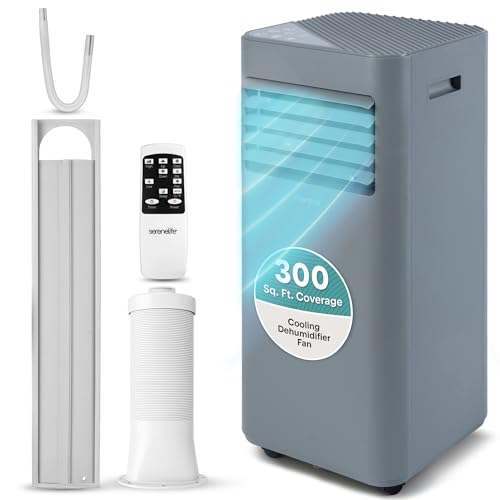
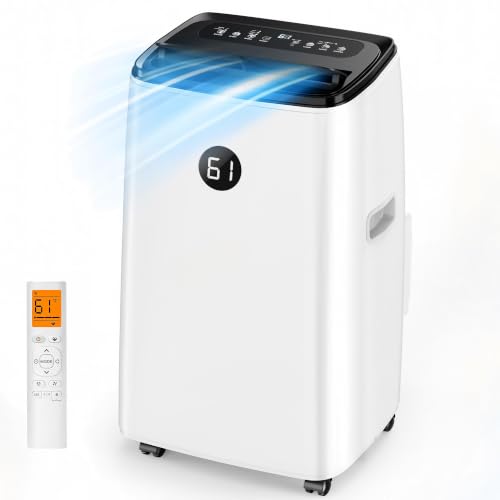
Portable Air Conditioner for 300 Square Feet
Everything you need to know about choosing, sizing, and using a portable AC for a 300 square feet room — from BTU requirements to installation and long-term efficiency.
Explore the GuideQuick Summary: A room measuring around 300 square feet — such as a large bedroom, studio apartment, home office, or converted attic — requires a portable air conditioner with a cooling capacity of approximately 8,000 to 10,000 BTU. This range covers standard ceiling heights and average insulation. Rooms with high ceilings, large windows, or direct sun exposure may need up to 12,000 BTU to maintain comfort during peak summer conditions.
Why Choose a Portable AC for a 300 Sq Ft Room?
A portable air conditioner is a self-contained cooling unit that sits on the floor and can be moved from room to room. Unlike window units or central systems, portable ACs do not require permanent installation, making them an excellent option for renters, older homes without ductwork, or spaces where window mounting is impractical.
For a 300 square feet room, a portable unit offers several practical advantages over other cooling solutions. It can be positioned near the area that needs cooling most, it does not block a window view permanently, and it can be stored away during cooler months. If your room lacks proper window support or you live in an apartment with restrictions on window-mounted units, a portable AC is often the most flexible solution.
That said, portable units are not without trade-offs. They are generally less energy-efficient than window or mini-split systems, they produce more noise, and they require proper venting through a window or wall. Understanding these factors before purchasing will help you set realistic expectations and choose the right model for your space.
How Many BTU Does a 300 Sq Ft Room Need?
Cooling capacity is measured in British Thermal Units (BTU). The general rule of thumb is to allow approximately 20 BTU per square foot of floor space for a standard room with an 8-foot ceiling. Applying this formula to 300 square feet gives a baseline of roughly 6,000 BTU. However, real-world conditions almost always require an upward adjustment.
Here is a more practical BTU range for a 300 square feet room based on common variables:
| Room Condition | Recommended BTU Range | Notes |
|---|---|---|
| Standard room, average insulation, moderate sun | 8,000 – 9,000 BTU | Typical bedroom or home office |
| Room with large windows or direct afternoon sun | 9,000 – 10,000 BTU | West-facing rooms or unshaded glass |
| High ceiling (over 8 ft) or poor insulation | 10,000 – 12,000 BTU | Attic rooms or older construction |
| Room used by multiple people or with heat-generating devices | 10,000 – 12,000 BTU | Home offices with computers or living areas |
Oversizing a portable AC is rarely a good idea. A unit that is too powerful will cool the air quickly but may not run long enough to remove humidity, leaving the room feeling clammy. Undersizing is equally problematic — the unit will run continuously without reaching the set temperature, wasting energy and wearing out components faster. Matching the BTU rating to your actual room conditions is the key to comfort and efficiency.
Key Features to Look For in a Portable AC for 300 Sq Ft
Not all portable air conditioners are built the same. When shopping for a unit sized for 300 square feet, pay attention to the following features to ensure you get a model that performs well and lasts.
Single-Hose vs. Dual-Hose Design
Portable ACs come in two venting configurations. A single-hose unit pulls air from the room, uses it to cool the condenser, and exhausts it outside. This creates negative pressure that can draw warm outside air back into the room through gaps and cracks. A dual-hose unit takes in outside air for the condenser and exhausts it separately, maintaining better pressure balance and cooling more effectively. For a 300 square feet room where performance matters, a dual-hose model is generally the better choice. If you want to learn more about venting configurations, read our guide on non-window vented portable air conditioner options.
Cooling Capacity and Efficiency Rating
Look for a unit with a BTU rating that matches the range in the table above. Also check the unit's energy efficiency — portable ACs with higher EER (Energy Efficiency Ratio) or those that are ENERGY STAR certified will consume less electricity over time. For a room of this size, the difference in efficiency between an entry-level model and a high-end tier model can be noticeable over a full summer season. You can explore ENERGY STAR certified portable air conditioners for models that meet stricter efficiency guidelines.
Noise Level
Portable air conditioners are generally louder than window units or mini-splits because the compressor and fan are located inside the room. If the unit will be placed in a bedroom or home office, look for models that advertise a low noise level — generally under 55 dB on the lowest setting. Mid-range and premium models often include sound-dampening features that make a significant difference in comfort.
Dehumidification Mode
Many portable ACs include a dehumidification mode that removes moisture from the air without cooling. This is especially useful in humid climates where cooling alone may not address the sticky feeling in the room. A unit with a built-in dehumidifier can serve double duty during shoulder seasons when cooling is not needed but humidity is still high. Learn more in our article on portable air conditioner dehumidifier combos.
Drainage Options
Portable ACs collect condensate water during operation. Most units include a small internal tank that must be emptied manually, but many also offer a continuous drain option via a hose connection. If you plan to run the unit for extended periods, a continuous drain setup is far more convenient than emptying a tank every few hours. Some models use evaporative technology to reduce or eliminate the need for manual draining — see our guide on portable AC that doesn't need to be drained.
Buying Guide: Matching a Portable AC to Your 300 Sq Ft Room
Choosing the right portable AC involves more than just picking a BTU rating. Consider these factors to narrow down your options and find a unit that fits your room and your lifestyle.
Assess Your Room's Unique Conditions
Walk through the room and note the following:
- Ceiling height: Standard 8-foot ceilings allow for the baseline BTU calculation. Higher ceilings increase the volume of air that needs cooling.
- Window size and orientation: Large windows — especially those facing south or west — let in significant solar heat. You may need to increase the BTU rating by 10–20%.
- Insulation quality: Older homes or rooms above garages often have poor insulation, which increases cooling demand.
- Occupancy and heat sources: Each additional person adds about 600 BTU of heat load. Electronics, lighting, and appliances also contribute.
Choose the Right Tier for Your Needs
Portable ACs for a 300 square feet room are available across several market tiers:
| Tier | Best For | Typical Features |
|---|---|---|
| Entry-Level | Occasional use, guest rooms, tight budgets | Single-hose venting, basic mechanical controls, manual drainage, higher noise |
| Mid-Range | Daily use in bedrooms or home offices | Dual-hose option, digital controls with remote, programmable timer, auto-drain or continuous drain port |
| Premium | Primary cooling for living spaces, long-term use | Dual-hose, high EER, low noise operation, smart home compatibility, self-evaporative system, washable filters |
Entry-level models are a practical starting point for rooms that are not used every day. Mid-range models offer a good balance of performance and features for regular use. Premium models are a long-term investment for spaces where comfort and efficiency are priorities.
Consider Installation Requirements
Every portable AC needs a way to exhaust hot air. Most units come with a window kit that fits standard sliding or double-hung windows. If your room has casement windows, crank-out windows, or no windows at all, you will need a specialized venting solution. Our guides on portable air conditioner for a casement window and portable air conditioner for a room without windows explain your options in detail.
Also consider the weight and portability of the unit. A 10,000 BTU portable AC can weigh 60–80 pounds. If you plan to move it between rooms, look for models with sturdy caster wheels and side handles.
Setup Tips for Optimal Performance
Proper installation makes a significant difference in how well a portable AC performs. Follow these guidelines to get the most out of your unit.
- Seal the window kit: Gaps around the exhaust hose and window panel let hot air back into the room. Use weatherstripping or foam insulation to seal any gaps.
- Keep the exhaust hose short and straight: The shorter and straighter the hose, the more efficiently the unit exhausts hot air. Avoid kinks or loops.
- Insulate the exhaust hose: The hose can radiate heat back into the room. A portable air conditioner exhaust hose insulation sleeve is an inexpensive addition that improves cooling performance.
- Position the unit away from walls: Leave at least 12–18 inches of clearance around the unit for proper airflow.
- Close doors and windows: Portable ACs work best in enclosed spaces. Keep doors and windows closed while the unit is running.
- Use a dedicated circuit: A 10,000 BTU portable AC draws around 9–10 amps. Plug it into a dedicated outlet to avoid tripping breakers.
Pros and Cons of Portable ACs for 300 Sq Ft Rooms
Pros
- No permanent installation required
- Easy to move between rooms
- Works in spaces where window units are not allowed
- Can be stored away during cooler months
- Many models include dehumidifier and fan modes
- Simple setup with a window kit
Cons
- Less energy-efficient than window or mini-split units
- Louder operation due to indoor compressor
- Requires manual draining or a drain hose
- Takes up floor space
- Single-hose models create negative pressure
- Exhaust hose can radiate heat if not insulated
Maintenance for Long-Term Performance
Portable ACs require regular maintenance to keep them running efficiently and to extend their lifespan. Here is a simple maintenance schedule:
- Weekly: Empty the condensate tank or check the drain hose for blockages.
- Every two weeks: Remove and rinse the air filter. A clogged filter restricts airflow and reduces cooling performance.
- Monthly: Inspect the exhaust hose for cracks or damage. Clean the exterior of the unit with a damp cloth.
- Seasonally: Before storing the unit for the off-season, clean the filter, drain all water, and cover the unit to prevent dust buildup.
If the unit is not cooling effectively despite regular maintenance, the issue may be low refrigerant, a blocked condenser coil, or a faulty compressor. Our guide on portable AC unit repair covers common problems and troubleshooting steps.
Portable AC vs. Other Cooling Options for 300 Sq Ft
A portable AC is not the only option for a 300 square feet room. Here is how it compares to other common cooling solutions:
| Cooling Option | Best For | Key Trade-Off |
|---|---|---|
| Portable AC | Renters, rooms without window support, flexible cooling | Less efficient and louder than alternatives |
| Window AC | Rooms with suitable windows, budget-conscious buyers | Blocks window, installation restrictions |
| Ductless Mini-Split | Long-term cooling, multiple rooms, high efficiency | Professional installation required, higher upfront investment |
| Central AC | Whole-home cooling | Requires ductwork, major installation project |
If you are cooling a single room and want the flexibility to move the unit or avoid permanent installation, a portable AC is a practical choice. If efficiency and quiet operation are top priorities and you own your home, a ductless mini-split may be a better long-term investment.
Frequently Asked Questions
For a standard 300 square feet room, aim for a portable AC with 8,000 to 10,000 BTU. If the room has high ceilings, large windows, poor insulation, or direct sun exposure, consider 10,000 to 12,000 BTU for reliable comfort during peak summer.
Yes, a properly sized portable AC can cool a 300 square feet room effectively. The key is matching the BTU rating to the room's actual conditions and ensuring the unit is installed correctly with a sealed window kit and an insulated exhaust hose.
Dual-hose portable ACs are generally better for rooms around 300 square feet because they maintain balanced air pressure and cool more effectively. Single-hose units are simpler and often more affordable, but they can draw warm outside air into the room through gaps.
The baseline is about 8,000 to 9,000 BTU for a standard room. Adjust upward to 10,000–12,000 BTU if the room has high ceilings, large windows, poor insulation, or is used by multiple people. Never oversize significantly — an oversized unit cools too quickly without removing humidity.
Portable ACs require a way to exhaust hot air. If your room has no windows, you may be able to vent through a wall, a drop ceiling, or a door using specialized venting kits. Our guide on portable air conditioner for a room without windows covers these options in detail.
Ready to Choose Your Portable AC?
Now that you understand BTU requirements and key features, explore our curated selection of portable air conditioners suitable for 300 square feet rooms.
View Recommended Models