
Heating and Air Conditioning Units: Understanding Market Positioning
Learn how HVAC systems are positioned across entry-level, mid-range, and premium tiers — and what separates each class in terms of efficiency, build quality, and long-term performance.
EXPLORE TIERSWhy market positioning matters: Heating and air conditioning units are not one-size-fits-all products. Manufacturers design systems for different buyer profiles, climates, and usage patterns. Understanding how units are positioned helps you match your home's needs to the right class of equipment — without overpaying for features you will never use or settling for a tier that cannot keep up with your climate demands.
The Three Market Tiers of HVAC Equipment
Across the heating and cooling industry, equipment is broadly grouped into three positioning tiers. Each tier reflects a different balance of efficiency, component quality, noise output, and smart-home capability. The descriptors below are used consistently throughout this guide.
Essential Tier
Designed for straightforward cooling and heating in mild climates or secondary spaces. These units prioritize reliable basics over advanced features.
- Single-stage compressor operation
- Standard SEER2 / HSPF2 ratings
- Basic single-speed fan motors
- Standard 5-year limited warranty
Balanced Tier
The most common choice for primary residences. These systems balance efficiency, comfort, and durability for year-round use in most climate zones.
- Two-stage or entry variable-speed compressor
- Above-standard SEER2 / HSPF2 ratings
- Multi-speed ECM blower motors
- 10-year limited warranty options
High-End Tier
Engineered for whole-home comfort in extreme climates, with the quietest operation and the most advanced air-quality features.
- Fully variable-speed inverter compressors
- Top-tier SEER2 / HSPF2 ratings
- Advanced filtration and humidity control
- Extended 10–12 year warranties
What Separates One Tier From Another
Two units can look identical on a showroom floor yet occupy very different positions in the market. The differences usually come down to the following factors:
- Compressor technology: Single-stage units run at full capacity or not at all, while variable-speed inverter compressors modulate output in small increments for steadier temperatures and quieter operation.
- Efficiency ratings: SEER2 measures cooling efficiency and HSPF2 measures heating efficiency. Higher-tier equipment typically earns higher ratings, though efficiency alone does not define the tier.
- Build quality: Premium tiers use heavy-duty cabinets, rust-proof finishes, and reinforced coil guards that hold up better in coastal or high-humidity environments.
- Noise levels: Variable-speed outdoor units and insulated compressor blankets can bring operating sound down to near-conversational levels, a hallmark of higher-end systems.
- Smart controls: Compatibility with programmable thermostats and remote HVAC thermostats becomes more comprehensive as you move up the tiers.
- Warranty depth: Extended coverage on compressors and heat exchangers is one of the clearest markers of a manufacturer's confidence in a unit's long-term durability.
Tier Comparison at a Glance
| Tier | Best For | Efficiency Band | Noise Profile | Warranty Depth |
|---|---|---|---|---|
| Essential Tier | Mild climates, rental properties, secondary rooms | Standard | Audible during operation | Base limited coverage |
| Balanced Tier | Primary residences in most climate zones | Above standard | Moderate, improved insulation | Extended limited coverage |
| High-End Tier | Extreme climates, large homes, air-quality priorities | Top-tier | Near-silent variable operation | Longest limited coverage |
Heating and Cooling: One System or Two?
The phrase "heating and air conditioning units" can refer to a combined packaged system, a split system with a furnace and an outdoor condenser, or a heat pump that handles both functions in one unit. The market positions each configuration differently:
Split systems with a separate furnace and air conditioner remain the most common setup in North American homes. The furnace and the AC can be upgraded independently, which gives homeowners flexibility to invest in a higher-tier component where it matters most to them.
Packaged systems combine heating and cooling in a single outdoor cabinet. They are typically positioned in the essential and balanced tiers and are well suited to smaller homes or properties without basement or attic space for indoor equipment.
Heat pumps have moved steadily upmarket as inverter technology has improved cold-climate performance. A premium heat pump can now replace a separate furnace and air conditioner in many regions, and it is often positioned as a high-end tier choice for new construction and deep-retrofit projects. If you are weighing the trade-offs, the comparison of ductless heating and cooling pros and cons is a useful starting point.
How Efficiency Ratings Map to Market Position
Efficiency ratings are the most visible signal of where a unit sits in the market, but they should be read alongside other factors. In cooling mode, SEER2 replaced the older SEER metric under updated DOE standards; in heating mode, HSPF2 plays the same role. A unit that sits at the top of the efficiency band almost always belongs to the high-end tier, because reaching that level requires variable-speed compressors and advanced coil designs.
However, an entry-level unit from a reputable brand can still be a solid choice for a mild climate where the system runs only a few months per year. The key is to match the efficiency band to your actual usage hours, not to buy the highest rating available. Homeowners who want a deeper explanation of the rating system can review the guide to recommended SEER ratings for air conditioners before comparing tiers.
Smart Controls and Thermostat Compatibility
Thermostat compatibility is one of the practical differences between tiers. Entry-level equipment usually works with basic programmable thermostats, while balanced and high-end systems support more advanced controls, including models that learn your schedule or respond to remote commands. If you are planning a system upgrade, confirm whether your chosen unit supports the thermostat you want — some older wiring setups lack a C-wire, which limits compatibility with certain smart models. The guide to programmable thermostats without a C-wire explains the workarounds. For homes with a separate furnace, a programmable furnace thermostat can also be paired with the cooling side for coordinated control.
Installation Quality Matters More Than Tier Alone
A high-end tier unit installed poorly will underperform an essential tier unit installed correctly. Proper sizing, correct refrigerant charge, sealed ductwork, and a level outdoor pad all affect real-world efficiency more than a single tier step. Before committing to a system, ask about the installer's credentials and whether a load calculation will be performed. The overview of professional duct cleaning is also worth reading, because clean, sealed ducts protect the investment you make in any tier of equipment.
For window and portable units — which sit outside the central HVAC tier system — installation quality still dominates. A correctly installed window unit with proper support and sealing will outperform a larger unit that leaks air around the frame.
Ready to compare specific heating and air conditioning units? Browse recommended models by tier and feature set.
VIEW RECOMMENDED UNITSFrequently Asked Questions
What determines the market tier of a heating and air conditioning unit?
Market tier is determined by a combination of efficiency ratings (SEER2, HSPF2), build quality, compressor technology (single-stage, two-stage, variable-speed), smart features, warranty coverage, and brand reputation. Entry-level units typically offer single-stage operation and standard efficiency, while premium and luxury tiers include variable-speed compressors, advanced filtration, and extended warranties.
How do efficiency ratings affect the positioning of an HVAC system?
Higher SEER2 and HSPF2 ratings generally place a unit in a higher market tier because they require advanced compressor technology and better insulation components. However, efficiency alone does not define tier — build quality, noise levels, and smart features also play a significant role in how a system is positioned in the market.
Is a premium HVAC system worth the investment?
A premium system can be a worthwhile long-term investment for homeowners who plan to stay in their property for many years, live in extreme climates, or prioritize quiet operation and indoor air quality. For shorter-term ownership or mild climates, a mid-range system often provides a solid balance of efficiency and durability.
What should I compare besides the tier when evaluating HVAC units?
Beyond tier, compare the warranty terms, availability of local service technicians, refrigerant type (R32 or R454B compliance), smart thermostat compatibility, ductwork requirements, and the reputation of the installer. Installation quality often matters more than the unit's market tier for long-term performance.
Recommended Heating and Air Conditioning Units by Tier
⚠️ AFFILIATE DISCLOSURE: This website contains affiliate links. As an Amazon Associate, we earn from qualifying purchases. If you make a purchase through these links, we may receive a small commission at no additional cost to you. Read our full affiliate policy.

Senville Central Air Conditioning System, Heat Pump, 3 Ton, 20kW Aux | 36000 BTU Air Handler and Condenser Included, 208/230V, Whole House Air Conditioner
Check price on Amazon
DELLA Vita 12000 BTU Mini Split Air Conditioner, 20 SEER2, 230V | Cools up to 550 Sq. Ft, 1 Ton Heat Pump, Works with Alexa & Wifi, Ductless Inverter System, Pre-Charged, 16ft Kit
Check price on Amazon
AIRPLUS Smart Portable Air Conditioner, 12,000 BTU Cooling/Heating Air Conditioner for Bedroom with Drainage-free Cooling, Dehumidifier, Fan, 24h Timer for 700 Sq Ft Rooms, Blue
Check price on Amazon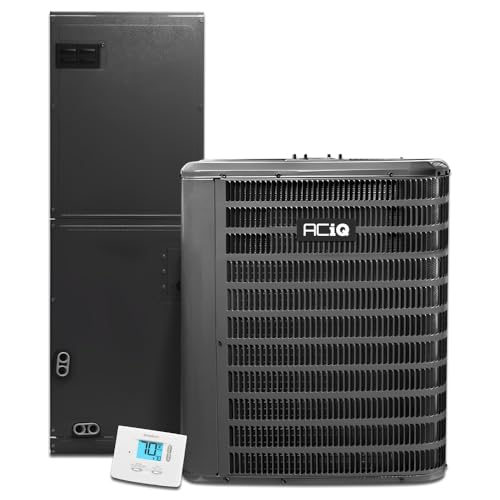
3 Ton 15 SEER2 Central Air Conditioner Heat Pump System, 5kW & Thermo | ACiQ R32 Complete Electric Heat Pump Split System, Central AC Heating HVAC Unit with Multi-Positional Air Handler, ECM Blower
Check price on Amazon
ApooDr 9,000 BTU PTAC Packaged Terminal Air Conditioner With Heat Pump PTHP Unit Heating And Cooling With Electric Cord
Check price on Amazon
14000 BTU Smart Portable Air Conditioners, AC Unit Cools up to 750 sq. ft, Cooling, Dehumidifier & Fan, Auto Evaporation, Touchscreen, Silent Sleep Mode Portable AC with Remote & Ventilation Kit
Check price on Amazon
ApooDr 12,000 BTU PTAC Packaged Terminal Air Conditioner With Heat Pump PTHP Unit Heating And Cooling With Electric Cord
Check price on Amazon