Professional Air Duct Cleaning: The Complete Homeowner’s Guide
Discover how professional air duct cleaning restores indoor air quality, protects your HVAC system, and extends equipment life. Understand the process, benefits, and warning signs before you book a service.
Explore the ProcessWhy this guide matters: Your ductwork distributes conditioned air to every room, yet it is one of the most overlooked parts of the HVAC system. When dust, debris, and biological growth accumulate inside ducts, every breath you take indoors is affected. This guide explains what professional air duct cleaning actually involves, so you can make an informed decision and choose a qualified provider with confidence.
Why Professional Air Duct Cleaning Matters
The average home circulates air through its duct system multiple times per day. Over time, that airflow carries dust, pet dander, pollen, construction debris, and sometimes moisture into the ductwork. A properly executed professional duct cleaning service removes these contaminants at the source rather than simply redistributing them. For homeowners researching HVAC maintenance, understanding this distinction is the first step toward better indoor air quality.
Improved Indoor Air Quality
Contaminants trapped in ducts can be drawn back into living spaces. Source removal reduces airborne particles, which is especially meaningful for households with allergy or asthma sufferers.
Restored Airflow Efficiency
Heavy debris restricts airflow. When ducts are clear, the blower moves air more freely, supporting steady performance across every register in the home.
Extended HVAC Lifespan
A system that does not strain against restricted ducts experiences less wear on the blower motor and other components, contributing to a longer service life.
Reduced Odors
Stale or musty smells often originate in ductwork where moisture and organic material accumulate. Cleaning removes the source of those odors.
Validation of System Health
A thorough inspection during cleaning can reveal disconnected ducts, leaks, or insulation damage that would otherwise go unnoticed.
Support for Renovation Recovery
After remodeling, drywall dust and construction particles settle in ducts. Professional cleaning returns the system to a clean baseline.
What the Professional Air Duct Cleaning Process Involves
A legitimate service follows a structured methodology rather than a quick pass with a shop vacuum. The steps below reflect the standard approach used by certified professionals and outlined by industry associations.
- System Inspection and Assessment. Technicians examine accessible ductwork, the air handler, registers, and the outdoor unit area to identify contamination levels, leaks, and potential access points.
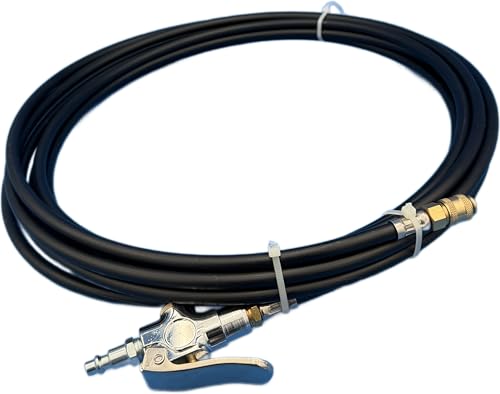
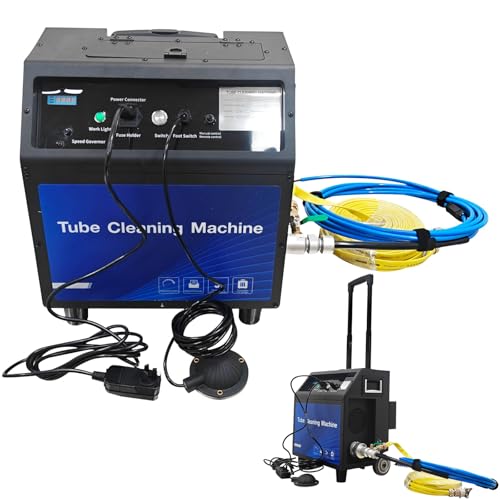
- Negative Pressure Setup. A high-powered HEPA vacuum or negative pressure machine connects to the system, creating suction that prevents dislodged debris from escaping into living spaces.
- Mechanical Agitation. Rotary brushes, compressed air whips, and specialized tools travel through the ducts to loosen adhered contaminants from duct walls.
- Source Removal. Dislodged material is captured and contained. This is the defining difference between genuine cleaning and surface-level blowing.
- Air Handler and Coil Cleaning. The blower, evaporator coil, and drain pan are cleaned because they are part of the same air pathway.
- Verification and Documentation. Before-and-after photos or video inspections confirm results. A reputable provider walks the homeowner through what was found and what was done.
For homeowners who also want to address dryer exhaust safety, pairing duct cleaning with professional dryer vent cleaning is a practical way to handle two related airflow systems in a single service visit.
Understanding Service Tiers in the Duct Cleaning Market
Not every provider operates at the same level of capability. The table below uses neutral tier descriptors to help you compare service categories without relying on misleading shortcuts.
| Service Tier | Typical Scope | Best For |
|---|---|---|
| Entry-Level | Basic vacuuming of accessible supply and return runs; limited agitation tools; minimal documentation. | Light maintenance on relatively clean systems in newer homes. |
| Mid-Range | Negative pressure setup, rotary brush agitation, air handler cleaning, and before-and-after documentation. | Most established homes with moderate debris and standard duct layouts. |
| Premium | Full source removal with HEPA containment, video inspection, coil and blower cleaning, and detailed reporting. | Homes with pets, allergy concerns, or a documented history of contamination. |
| Professional-Grade | Comprehensive commercial-grade equipment, multi-technician crews, system-wide sealing recommendations, and post-service validation. | Large homes, multi-zone systems, and properties recovering from renovation or water intrusion. |
When comparing providers, ask which tier of equipment and methodology they use, and request that the scope be documented in writing. A feature-rich proposal is more useful than a verbal promise. Homeowners who want a broader view of service options may find additional context in this guide to professional duct cleaning services.
When to Schedule Professional Air Duct Cleaning
Industry guidance generally suggests service every three to five years for typical households. However, specific conditions call for a more immediate response.
- Visible dust or debris blowing from supply registers shortly after the system starts.
- Persistent musty or stale odors when the HVAC system runs.
- Recent home renovation, remodeling, or drywall work.
- Water intrusion, flooding, or known mold growth in or near the HVAC system.
- Pest activity such as rodents or insects inside ductwork.
- Household members with allergies, asthma, or other respiratory sensitivities.
- Moving into a previously occupied home with unknown maintenance history.
Important distinction: If a provider claims that duct cleaning alone will cure every health or efficiency problem, treat that claim with caution. Cleaning is one component of a healthy HVAC system, alongside proper filtration, sealing, and regular equipment maintenance. A balanced approach delivers the most reliable results.
Questions to Ask Before Booking a Service
Preparing a short list of questions helps you separate capable professionals from operators who rely on aggressive tactics or vague promises.
Are your technicians certified and insured?
Ask for proof of certification from a recognized industry body and confirmation of liability insurance. Certified technicians follow documented procedures and are accountable to a professional standard.
What equipment will you use?
Look for negative pressure systems, HEPA filtration, and mechanical agitation tools. A provider who relies only on a portable vacuum without agitation is unlikely to achieve true source removal.
Will you clean the air handler and coil?
The air handler is part of the same air pathway as the ducts. A complete service includes cleaning the blower, coil, and drain pan, not just the visible runs.
Can I see before-and-after documentation?
Reputable providers photograph or video the interior of ducts before and after work. This documentation protects both the homeowner and the provider.
What is your written scope of work?
Request a clear description of what will be cleaned, how long it will take, and what is excluded. A detailed scope prevents misunderstandings and sets realistic expectations.
How Duct Cleaning Supports the Broader HVAC System
Duct cleaning does not operate in isolation. Homeowners who invest in this service often benefit from reviewing related maintenance items. Clean ducts pair well with a modern thermostat that supports programmable schedules and consistent temperature control. Guides on professional-grade HVAC thermostats explain how smart control complements a healthy air distribution system.
Similarly, if your home uses window units alongside central ductwork, ensuring those units are installed correctly is part of the same indoor air quality picture. Resources on proper installation of window AC units cover sealing and placement considerations that affect how air moves through a room.
For homeowners considering ductless alternatives, it is worth understanding that ductless systems avoid duct contamination entirely but require their own filter maintenance routine. A comparison of ductless air conditioning pros and cons can help you weigh whether duct cleaning or a ductless conversion better fits your long-term plan.
Ready to Improve Your Indoor Air Quality?
Explore our curated selection of air quality and HVAC maintenance products. Each item is chosen to complement a well-maintained duct system and support a healthier home environment.
View Recommended ProductsFrequently Asked Questions
How often should professional air duct cleaning be performed?
Every three to five years is a reasonable baseline for most homes. Households with pets, smokers, recent renovations, or residents with respiratory conditions may benefit from more frequent service.
What does the process involve?
A professional service uses negative pressure, rotary brushes, compressed air whips, and HEPA vacuums to dislodge and capture contaminants. Technicians inspect the system, clean supply and return ducts, clean the air handler, and verify results with documentation.
How long does professional air duct cleaning take?
Most residential projects take two to four hours depending on the number of vents, duct accessibility, and contamination level. Larger homes or heavily soiled systems may require a full day.
Does duct cleaning improve HVAC energy efficiency?
Yes. Clogged ducts restrict airflow and force the system to work harder. Cleaning restores proper airflow, which supports efficient operation and helps equipment last longer.
Can duct cleaning remove mold?
Cleaning can remove surface mold and the organic material it feeds on, but the underlying moisture source must be corrected. If mold is present, a remediation plan should address both the contamination and the moisture condition.
Is duct cleaning necessary in a new home?
New construction often leaves drywall dust, sawdust, and debris in ductwork. A post-construction cleaning is a sensible step before occupancy to establish a clean baseline.