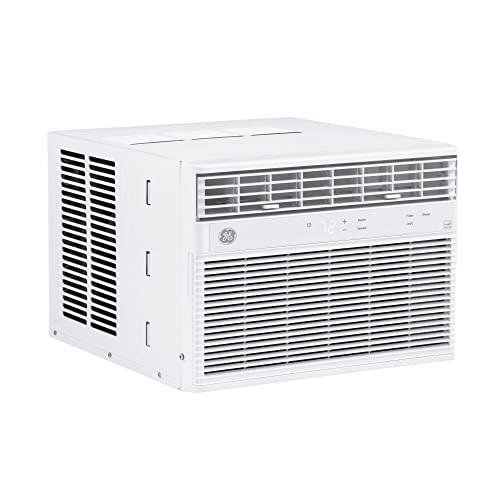
Quietest 12,000 BTU Window Air Conditioner: What to Look For
A 12,000 BTU window unit is the right capacity for many medium-to-large rooms, but noise is the most common complaint. This guide explains decibel ratings, the features that reduce sound, and how to compare quiet models by tier before you choose.
How Loud Is a Typical 12,000 BTU Window AC?
Larger window units move more air than smaller ones, which usually means more sound. Still, the gap between an entry-level 12,000 BTU unit and a quiet, well-engineered one is significant. The table below gives a general sense of the decibel ranges you can expect on low and high fan settings.
| Tier | Approximate Low-Speed Range | Approximate High-Speed Range | Best For |
|---|---|---|---|
| Essential tier | Around the high 50s to low 60s dB | Mid-to-high 60s dB | Garages, workshops, spaces where noise is not critical |
| Balanced tier | Around the mid-50s dB | Around the low 60s dB | Living rooms, home offices, guest rooms |
| Top-tier | Around the low 50s dB | Around the upper 50s dB | Bedrooms, nurseries, media rooms where quiet matters most |
If your priority is a small bedroom rather than a larger room, the guide on the quietest window air conditioner for a small bedroom covers smaller-capacity options that are even easier to keep quiet. For smaller rooms in general, see the quietest small-room window air conditioner guide.
Features That Make a Window AC Quieter
Quiet operation is the result of several design choices working together. A unit with only one quiet feature will still be noisy; a unit with most of the features below is likely to be genuinely quiet.
Inverter compressor
Variable-speed compressors run continuously at lower output instead of cycling on and off. The result is steadier cooling and a much lower average sound level.
Multi-speed fan
A low fan setting that is genuinely low, not just labeled low, is the most direct way to reduce noise at night.
Insulated chassis
Sound-dampening insulation around the compressor compartment reduces mechanical noise and vibration.
Vibration isolation
Rubber mounts and isolated compressor feet reduce the low-frequency hum that travels through walls and floors.
Quiet-mode or sleep mode
A dedicated quiet mode steps the fan and compressor down automatically for overnight operation.
Better airflow design
Larger, slower-spinning fans move the same air with less turbulence and less noise than small, fast fans.
Matching 12,000 BTU to Room Size
12,000 BTU is typically the right capacity for rooms in the 450 to 550 square foot range, depending on climate, insulation, window area, and occupancy. A unit that is too small will run constantly and never feel quiet; a unit that is too large will cycle on and off, which is often more noticeable than steady low-speed operation.
Room and installation factors that affect noise
- Window fit: a loose or poorly sealed installation rattles and lets outside noise in. Measure the window opening before buying.
- Wall vs. window mounting: a through-the-wall installation can be quieter than a window mount if the wall is solid and the sleeve is insulated.
- Unit placement: mounting the unit so it does not touch the window frame directly reduces vibration transfer.
- Support bracket: an exterior support bracket reduces sag and vibration and keeps the unit level.
- Room acoustics: hard floors and bare walls amplify noise. Rugs and soft furnishings help.
If you are considering other quiet configurations, the most energy efficient window air conditioner guide pairs efficiency and noise considerations, and the most efficient window air conditioner with heater guide covers units that also provide warmth.
Quiet Window AC Tiers at a Glance
Use the tiers below to frame your shortlist. Each tier describes the feature set you can expect, not a specific figure.
| Tier | Typical Features | Best For |
|---|---|---|
| Essential tier | Single-speed compressor, basic fan speeds, standard chassis | Spaces where noise is not a priority |
| Balanced tier | Two-speed or multi-speed compressor, low fan setting, some sound insulation | Living rooms, home offices, guest rooms |
| Top-tier | Inverter compressor, dedicated quiet or sleep mode, reinforced sound insulation, smart controls | Bedrooms, nurseries, media rooms, spaces where quiet is essential |
If a window unit will not fit your window or you want even lower noise, a ductless mini-split is worth considering. The mini-split system guide explains the trade-offs. For whole-room comfort comparisons, see the HVAC system buying guide.
How to Choose and Install for Lower Noise
Getting a quiet result is as much about selection and installation as it is about the unit itself. Follow these steps in order.
- Confirm the room size. Measure the room and confirm that 12,000 BTU is the right capacity. An oversized unit cycles on and off, which is often more noticeable than steady low-speed operation.
- Check the window opening. Measure the width and height of the window opening and compare to the unit's minimum and maximum window dimensions. A poor fit causes rattling and air leaks.
- Shortlist quiet tiers. Decide whether you need the balanced tier or the top tier based on whether the room is a bedroom or a living space.
- Compare low-speed ratings. Look at the low-speed decibel figure, not just the high-speed figure. The low-speed figure is what you will live with at night.
- Plan the installation. Use an exterior support bracket, add weather sealing around the unit, and confirm the unit is level. Proper installation reduces vibration and noise more than any single feature.
- Test after installation. Run the unit on low for an hour and listen for rattles. Small fixes like foam strips or re-seating the unit can eliminate most installation noise.
Compare Quiet Options Before You Choose
Quiet cooling is about the right tier, the right fit, and a careful installation. Review the tiers and steps above, then compare the models in the recommended products section below.
Explore Efficient Window ACsFrequently Asked Questions
What is the quietest type of 12,000 BTU window air conditioner?
Units with inverter compressors and dedicated quiet or sleep modes are generally the quietest. They run at lower, steadier output instead of cycling on and off, which reduces the most annoying type of noise.
What decibel level is considered quiet for a window AC?
For a 12,000 BTU unit, a low-speed rating in the low 50s to mid-50s decibel range is considered quiet. Ratings in the high 50s and above on low speed are more noticeable in a bedroom.
Can I make my existing window AC quieter?
Yes, in some cases. Re-seating the unit so it sits level, adding foam weather stripping around the frame, and tightening the mounting hardware can eliminate rattles. A support bracket reduces sag and vibration. If the compressor itself is loud, those fixes will not help much.
Is a 12,000 BTU window AC too big for a bedroom?
It depends on the room size. 12,000 BTU is typically suited to rooms around 450 to 550 square feet. For a smaller bedroom, a smaller unit may run more efficiently and be easier to keep quiet. See the small-bedroom guide for details.
Should I choose a window AC or a mini-split for quiet cooling?
A ductless mini-split is generally quieter than any window unit because the compressor is outside. It is also a larger project. If a window unit is the practical choice, focus on an inverter model with a quiet mode and a careful installation.
Does a higher BTU window AC mean more noise?
Generally, yes, because larger units move more air. But the gap between an entry-level 12,000 BTU unit and a top-tier quiet 12,000 BTU unit is large. Choosing the right tier matters more than the capacity alone.
For related quiet-cooling topics, see the quietest 12,000 BTU window air conditioner overview and the common AC problems guide if noise is accompanied by other symptoms.