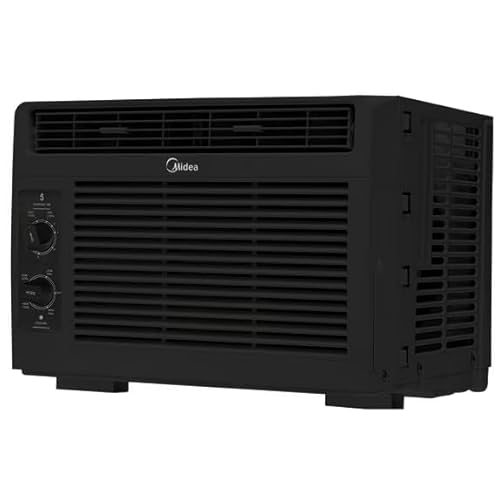
Quietest Window Air Conditioner for a Small Bedroom
Learn how noise is measured, what features reduce sound, and how to choose a window AC that keeps a small bedroom cool without disrupting sleep.
Why noise matters in a bedroom: A window air conditioner that rattles or hums loudly can ruin sleep quality. For a small bedroom, the right unit balances cooling capacity with low operating noise. This guide explains what to look for so you can rest comfortably on hot nights.
Why a Quiet Window AC Matters for Small Bedrooms
Small bedrooms are sensitive to noise. The unit is typically close to the bed, the room reflects sound, and nighttime quiet makes even modest hums noticeable. A window AC that runs at a low decibel level on its quiet setting keeps the room cool without interrupting sleep cycles.
Noise also affects how often the unit runs. A quieter unit encourages homeowners to keep it on through the night rather than switching it off to escape the sound, which leads to more consistent temperatures and better rest. If your current unit is disrupting sleep, replacing it with a quieter model is a practical improvement.
If noise is one of several issues — for example, a unit that also fails to cool — our guide to common AC problems can help you decide whether repair or replacement makes more sense.
How Window AC Noise Is Measured
Window air conditioner noise is expressed in decibels (dB). Lower numbers mean quieter operation. The scale is logarithmic, so every 10 dB increase roughly doubles perceived loudness.
Reference points for context
- 30 dB: A quiet bedroom at night
- 40 dB: A library or gentle background noise
- 50 dB: A quiet conversation or moderate rainfall
- 60 dB: Normal conversation at close range
- 70 dB: Vacuum cleaner or busy street traffic
Most window air conditioners are rated between 50 and 65 dB, with quieter models reaching the low 40s on their lowest fan setting. For a small bedroom, a unit rated below 55 dB at its highest setting and below 50 dB on low is a reasonable target. Premium-tier models often reach the low 40s.
What Makes a Window AC Quiet
Quiet operation is not accidental. Several engineering choices reduce noise, and understanding them helps you compare models.
Inverter compressors
Inverter-driven compressors adjust speed continuously instead of cycling on and off at full power. This eliminates the sudden start-up noise and produces a steadier, lower sound profile. Inverter models are generally quieter and more efficient than single-speed units, and they typically sit in the mid-range or higher market tiers.
Larger fans at lower speeds
A larger fan moving the same volume of air at a lower speed produces less noise than a small fan running fast. Quiet units are designed around this principle, and many allow the fan to cycle with the compressor rather than running continuously.
Vibration isolation
Compressor vibration transmitted through the chassis and window frame creates rattles and hums. Rubber mounts, reinforced cabinets, and tight tolerances reduce vibration. Premium models often include these refinements.
Sound-absorbing materials
Some quiet models include insulation around the compressor compartment or sound-dampening panels. These additions help absorb high-frequency noise that is more noticeable in a small bedroom.
Sizing a Window AC for a Small Bedroom
Cooling capacity must match the room, and capacity affects noise. An undersized unit runs continuously at high speed, while an oversized unit cycles on and off frequently — both can be annoying in different ways.
General capacity reference
- Up to 150 sq ft: 5,000 to 6,000 BTU is often sufficient
- 150 to 250 sq ft: 6,000 to 8,000 BTU is often appropriate
- 250 to 350 sq ft: 8,000 to 10,000 BTU may be needed
These ranges are starting references, not final answers. Ceiling height, insulation, window area and orientation, and local climate all affect the load. A west-facing bedroom with large windows can require more capacity than an interior room of the same size.
If you want additional context on small-room units, our article on quietest small room window air conditioner covers similar sizing considerations. For slightly larger bedrooms, see quietest 12,000 BTU window air conditioner.
Features That Reduce Noise in Daily Use
Beyond raw decibel ratings, several features help keep a bedroom quiet.
- Fan-only mode and auto fan: Allows the fan to stop when the compressor cycles off, reducing continuous background noise.
- Sleep mode: Gradually adjusts temperature and fan speed to reduce noise as the night progresses.
- Programmable timer: Lets you schedule cooling around sleep hours rather than running all night at full output.
- Eco mode: Cycles the fan with the compressor to reduce energy use and noise.
- Remote control and smart app: Reduces the need to walk over and adjust the unit, which can be disruptive at night.
If you want a unit that also helps with indoor air quality, our overview of indoor air quality explains how filters and ventilation interact with bedroom comfort.
Installation Tips to Minimize Noise
Even a quiet unit can become noisy if it is installed poorly. Proper installation reduces vibration and air leaks, both of which contribute to perceived noise.
Installation checklist
- Ensure the unit sits level and is supported according to the manufacturer's instructions.
- Seal gaps around the window opening with foam or weatherstripping to reduce rattles and drafts.
- Tighten mounting hardware and check that the window sash holds the unit firmly.
- Confirm the unit is not touching the window frame in a way that transmits vibration.
- Check that the outdoor portion has adequate clearance so the fan is not fighting obstruction.
If you are still choosing a window unit and want to compare installation approaches, our article on saddle window air conditioners explains an alternative form factor that avoids blocking the window opening.
Market Tiers for Quiet Window AC Units
Quiet window air conditioners are available across several market tiers. The table below summarizes typical characteristics without referencing monetary figures.
| Tier | Typical Features | Best For |
|---|---|---|
| Entry-level | Single-speed compressor, standard fan, basic mechanical or digital controls | Buyers prioritizing simplicity and occasional overnight use |
| Mid-range | Two-speed or inverter compressor, quieter fan design, sleep mode and timer | Most small bedrooms where nightly operation is expected |
| Premium | Full inverter compressor, sound-dampening materials, remote and app control | Light sleepers and bedrooms where quiet operation is a top priority |
| Top-tier | Highest efficiency, lowest noise ratings, advanced smart features | Buyers seeking the quietest and most feature-rich option available |
For most small bedrooms, a mid-range or premium unit offers the best balance of quiet operation and dependable cooling. Entry-level units can work well in guest rooms or spaces used only occasionally, while top-tier units make sense for light sleepers or rooms where the AC runs every night through the summer.
Maintenance for Quiet, Efficient Operation
Regular maintenance keeps a window AC running quietly. A clogged filter forces the fan to work harder, which increases noise. Dirty coils reduce efficiency and can cause the compressor to run longer and louder.
Simple maintenance routine
- Clean or replace the filter every two to four weeks during heavy use.
- Inspect and clean the outdoor coils at the start of each cooling season.
- Check the condensate drain path for blockages that can cause gurgling or dripping sounds.
- Tighten any loose screws or panels that may rattle.
For detailed filter care, see our article on cleaning filter of air conditioner. If water pooling or drainage noises become an issue, our guide to cleaning air conditioner drain explains how to clear the drain path.
Troubleshooting Noise Issues
If a window AC becomes louder over time, the cause is often identifiable and fixable.
- Rattling: Loose panels, screws, or window framing. Tighten or add foam padding.
- Humming: Compressor vibration transmitted through the frame. Check mounting and isolation pads.
- Squealing: Worn fan bearings. This usually requires service or replacement.
- Gurgling: Refrigerant flow or condensate drainage. Confirm drainage is clear.
- Clicking: Relay or thermostat cycling. Normal at start and stop, but frequent clicking may indicate a control issue.
If the unit is not cooling and also making unusual noise, our article on my AC is running but not cooling can help you narrow down the cause before calling a technician.
Ready to Compare Quiet Window AC Options?
Explore the recommended quiet window air conditioners below, then confirm sizing and features for your bedroom.
View Recommended UnitsFrequently Asked Questions
What is a good noise level for a bedroom window air conditioner?
For a small bedroom, look for a window AC rated below 55 dB on its lowest setting, and ideally below 50 dB. Many quiet models reach the low 40s on low fan speed, which is comparable to a quiet library or gentle background noise.
What BTU window AC is best for a small bedroom?
A small bedroom up to about 150 sq ft typically needs a 5,000 to 6,000 BTU window air conditioner. Bedrooms between 150 and 250 sq ft may need 6,000 to 8,000 BTU. Always base the final decision on a load calculation that accounts for windows, insulation, and climate.
Why are some window air conditioners louder than others?
Noise comes from the compressor, fan, and vibration transmitted through the window frame. Inverter-driven compressors, larger fans running at lower speeds, and better vibration isolation all reduce noise. Higher-tier models typically include these features.
Can I reduce the noise of an existing window AC?
Yes. Ensure the unit is installed level and tightly sealed, use foam insulation around the window opening, and tighten any loose mounting hardware. Running the fan on low speed reduces noise, and some models allow the fan to cycle with the compressor rather than running continuously.
Do quiet window air conditioners cool as well as standard models?
Yes. Quiet models achieve lower noise through better fan and compressor design rather than reduced cooling capacity. A properly sized quiet unit will cool a small bedroom as effectively as a standard unit of the same capacity.