Indoor Air Quality Guide: Breathe Healthier at Home
Understand pollutants, ventilation, humidity, and the best IAQ solutions to improve your home's air quality and your family's well-being.
Start Improving IAQWhy IAQ Matters: We spend 90% of our time indoors. Poor indoor air quality can cause allergies, fatigue, and long-term health issues. This guide helps you identify and fix IAQ problems effectively.
What Is Indoor Air Quality (IAQ)?
Indoor Air Quality refers to the quality of the air inside your home, school, or office. It is influenced by pollutants such as dust, mold, pet dander, volatile organic compounds (VOCs), and carbon dioxide. Good IAQ means having adequate ventilation, comfortable humidity levels (30–50%), and low concentrations of harmful particles.
Poor IAQ can trigger headaches, asthma, and other respiratory conditions. By understanding the sources of pollution and implementing solutions like ENERGY STAR certified air purifiers and proper thermostat settings, you can significantly improve the air you breathe every day.
Common Indoor Air Pollutants
Knowing what’s in your air is the first step to cleaning it. Here are the most common pollutants found in homes:
Dust & Dust Mites
Accumulate on surfaces and in carpets; trigger allergies and asthma.
Mold & Mildew
Grow in damp areas; release spores that cause respiratory issues.
Pet Dander
Tiny skin flakes from animals; a common allergen.
Volatile Organic Compounds (VOCs)
Emitted from paints, cleaners, and furniture; linked to headaches and eye irritation.
Carbon Monoxide (CO)
Odorless gas from combustion appliances; can be fatal in high levels.
Radon
Naturally occurring radioactive gas; second leading cause of lung cancer.
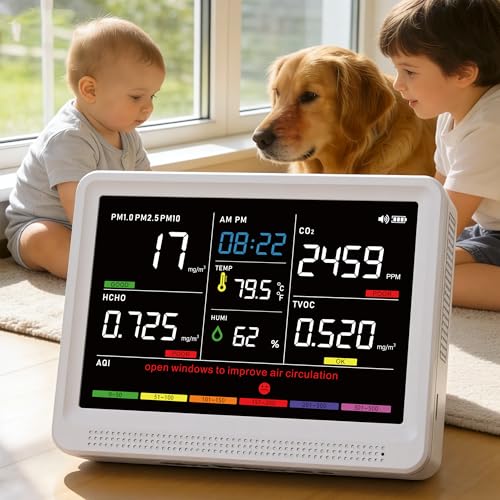
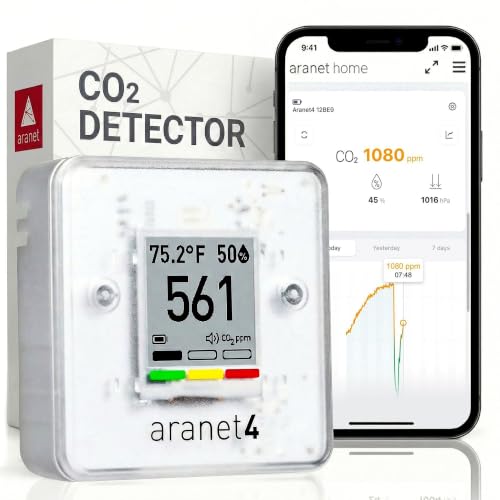
Regularly monitoring and addressing these pollutants can drastically improve your home's IAQ. Consider using a comprehensive IAQ monitoring system to track levels over time.
How to Improve Indoor Air Quality
1. Improve Ventilation
Fresh air dilutes indoor pollutants. Open windows when weather permits, and use exhaust fans in kitchens and bathrooms. For tightly sealed homes, consider installing an energy recovery ventilator (ERV) or heat recovery ventilator (HRV) to bring in fresh air without losing energy.
2. Control Humidity
Keep indoor humidity between 30% and 50%. High humidity promotes mold growth, while low humidity can cause dry skin and respiratory irritation. Use dehumidifiers in damp areas like basements, and humidifiers in dry climates. Many mini-split ACs with dehumidification can help maintain optimal humidity levels.
3. Use Air Purifiers
HEPA filters capture 99.97% of particles as small as 0.3 microns, including dust, pollen, and pet dander. Activated carbon filters remove odors and VOCs. Place air purifiers in bedrooms and living areas where you spend the most time.
4. Maintain Your HVAC System
Your heating and cooling system directly affects IAQ. Change air filters every 1–3 months, and schedule annual HVAC maintenance to keep coils and ducts clean. A well-maintained system reduces dust and mold circulation.
Pro Tip: Combine multiple strategies for the best results. For example, use a smart thermostat to schedule ventilation, monitor humidity, and remind you when to change filters.
Health Benefits of Good Indoor Air Quality
- Better Sleep: Clean air reduces nighttime allergies and congestion.
- Improved Focus: Lower CO₂ levels boost cognitive performance.
- Fewer Respiratory Issues: Reduced asthma and allergy triggers.
- Long-Term Health: Lower risk of lung diseases and heart problems.
Investing in IAQ is an investment in your family's health. Products like energy-efficient window ACs with air purification or ductless mini-splits with advanced filtration can make a significant difference.
Indoor Air Quality & Energy Efficiency
Many homeowners worry that improving IAQ means wasting energy. However, modern IAQ solutions are designed to be energy-efficient. For example, variable-speed ACs maintain consistent airflow and filtration with minimal energy consumption. High-SEER systems often include better filtration and humidity control.
Using a programmable thermostat allows you to optimize both comfort and IAQ while saving on utility bills. Always look for ENERGY STAR certified products for the best balance of performance and efficiency.
When to Call a Professional
If you experience persistent mold, unexplained respiratory issues, or suspect radon or carbon monoxide, it's time to call an IAQ specialist or HVAC technician. They can perform comprehensive tests, recommend solutions like whole-house humidifiers or advanced filtration systems, and ensure your home is safe and comfortable.
Frequently Asked Questions
What is the ideal humidity level for a home?
Between 30% and 50%. Use a hygrometer to monitor levels. Learn more about ideal humidity levels.
Do air purifiers really work?
Yes, especially those with HEPA filters. They effectively remove particulate matter but may not eliminate gases or VOCs unless they have activated carbon filters.
Can HVAC systems improve IAQ?
Absolutely. Regular maintenance, high-quality filters, and add-on purification systems can significantly improve IAQ.
How often should I change my air filter?
Every 1–3 months, depending on usage, filter type, and whether you have pets or allergies.
For more detailed answers, visit our FAQ page.