Replacing Coil in AC Unit: A Complete Guide for Homeowners
Understand when your AC coil needs replacement, how the process works, and how to make a confident decision before calling a technician or exploring a new system.
When your air conditioner stops cooling effectively, the coil is often the hidden culprit. The coils—evaporator and condenser—are the heart of the refrigeration cycle, responsible for absorbing heat indoors and releasing it outdoors. Over time, corrosion, refrigerant leaks, and dirt buildup can degrade coil performance, forcing homeowners to face a critical decision: repair, replace the coil, or replace the entire system.
This guide walks you through the entire process of replacing coil in AC unit, from recognizing the warning signs to understanding the replacement steps and evaluating whether a coil replacement makes sense for your situation.
What Are the Coils in an Air Conditioner?
Every air conditioning system relies on two primary heat exchangers to move heat from inside your home to the outdoors:
Evaporator Coil (Indoor Coil)
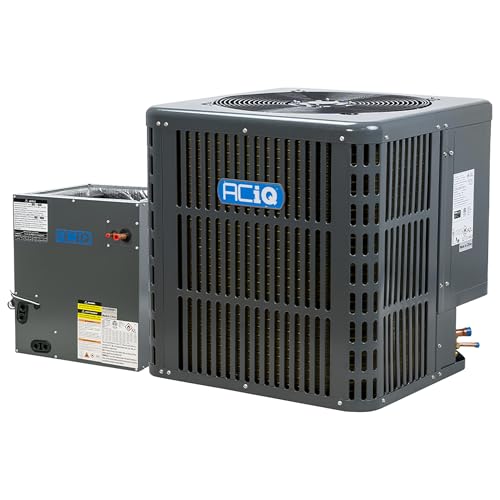
Located inside the air handler or furnace cabinet, the evaporator coil absorbs heat and moisture from the indoor air as refrigerant evaporates inside the coil tubes. This is the coil that directly affects the temperature and humidity of the air you breathe. It is typically made of copper tubing with aluminum fins and is vulnerable to condensation-related corrosion.
Condenser Coil (Outdoor Coil)
Located in the outdoor unit, the condenser coil releases the heat absorbed indoors into the outside air as refrigerant condenses back into a liquid. It is exposed to weather, debris, and outdoor contaminants, making it susceptible to physical damage and corrosion over time.
Both coils work together in a closed loop. If either one fails, the entire system's efficiency and cooling capacity drop significantly. Understanding how each coil functions helps you interpret symptoms and communicate effectively with your HVAC technician.
Signs Your AC Coil Needs Replacement
Coils rarely fail overnight. They usually degrade gradually, giving observant homeowners time to act before a complete breakdown. Watch for these indicators:
- Reduced cooling performance: The AC runs but the air is not as cold as it used to be, even after cleaning filters.
- Ice buildup on the indoor coil: Frost or ice on the evaporator coil often signals low refrigerant, restricted airflow, or a failing coil.
- Water leaks around the indoor unit: A cracked or corroded evaporator coil can drip condensation into the drain pan or beyond.
- Unusual odors: Musty or chemical smells may indicate mold growth on a dirty coil or refrigerant leaks.
- Frequent short cycling: The system turns on and off rapidly as it struggles to meet the thermostat setting.
- Visible corrosion or damage: Rust, pitting, or bent fins on the outdoor coil reduce heat transfer efficiency.
- Rising energy consumption: A failing coil forces the compressor to work harder, increasing electricity usage.
Evaporator Coil vs Condenser Coil Replacement: What's the Difference?
The replacement process, complexity, and considerations differ depending on which coil is being replaced. The table below summarizes the key distinctions.
| Aspect | Evaporator Coil (Indoor) | Condenser Coil (Outdoor) |
|---|---|---|
| Location | Inside air handler or furnace | Inside outdoor condenser unit |
| Primary Failure Causes | Corrosion from condensation, refrigerant leaks, mold | Physical damage, debris, weather exposure, corrosion |
| Replacement Complexity | Moderate to high—requires refrigerant recovery, brazing, and system recharge | Moderate—may involve replacing the entire outdoor coil assembly or unit |
| Typical Tier of Replacement Part | Entry-level to premium (depending on coil material and brand) | Mid-range to professional-grade (depending on system type) |
| System Compatibility | Must match refrigerant type and air handler specifications | Must match condenser unit model and refrigerant |
| When Replacement Makes Sense | System is under 10 years old and otherwise healthy | Coil damage is isolated and compressor is in good condition |
For a broader understanding of when replacement is the right move versus repair, explore our guide on replacing an air conditioner and the considerations around replacing a condenser coil.
Step-by-Step: The AC Coil Replacement Process
While coil replacement is not a DIY task for most homeowners, understanding the process helps you evaluate technician recommendations and prepare for the service. Here is what a professional replacement typically involves:
- System Inspection and Diagnosis: The technician confirms the coil is the source of the problem through pressure testing, visual inspection, and refrigerant level checks.
- Refrigerant Recovery: All refrigerant is safely recovered from the system using EPA-approved equipment, as required by environmental regulations.
- Coil Removal: The old evaporator or condenser coil is disconnected and removed. This may involve disassembling part of the air handler or outdoor unit.
- New Coil Installation: The replacement coil—matched to the system's refrigerant type and capacity—is installed, and connections are brazed or flared.
- Leak Testing and Vacuuming: The system is pressure-tested for leaks and then vacuumed to remove moisture and air before recharging.
- Refrigerant Recharge: The system is charged with the correct refrigerant amount according to manufacturer specifications.
- System Testing: The technician runs the system, checks temperature differentials, pressures, and airflow to confirm proper operation.
- Cleanup and Documentation: The work area is cleaned, and the technician documents the replacement, refrigerant type, and any warranty information.
For related maintenance insights, see our guide on preventive maintenance of air conditioning units, which can help extend the life of a newly replaced coil.
Coil Replacement vs Full System Replacement: How to Decide
One of the most common dilemmas homeowners face is whether to replace just the coil or invest in a new system. Consider these factors:
- Age of the system: If the AC is under 10 years old and otherwise well-maintained, coil replacement is often a sound choice. If the system is 12–15 years old, a full replacement may be more prudent.
- Refrigerant type: Older systems using phased-out refrigerants may face compatibility challenges with new coils. In such cases, upgrading the system may be the better long-term path.
- Frequency of repairs: If you have already faced multiple repairs in recent years, a new system may offer better reliability and efficiency.
- Energy efficiency: Modern systems offer significantly higher SEER ratings. A new system may deliver better long-term efficiency than replacing a coil in an older, less efficient unit.
- Warranty coverage: Check whether your coil replacement is covered under an existing warranty—this can influence the decision considerably.
Our detailed guide on replacing heating and air conditioning systems explores these trade-offs in greater depth, and a look at replacement HVAC system considerations can help you evaluate the broader picture.
Choosing the Right HVAC Contractor for Coil Replacement
Coil replacement requires licensed, certified technicians who follow proper refrigerant handling procedures. When selecting a contractor, keep these points in mind:
- Verify licensing and insurance: Ensure the contractor holds current HVAC licensing and carries liability insurance.
- Ask about refrigerant certification: Technicians handling refrigerant must be EPA Section 608 certified.
- Request a written quote: The quote should itemize the coil part, labor, refrigerant, and any additional components.
- Check warranty terms: Both the replacement coil and the labor should carry a warranty. Understand the duration and coverage.
- Seek referrals and reviews: Look for contractors with a track record of successful coil replacements and positive customer feedback.
For maintenance guidance after replacement, refer to servicing air conditioning units and seasonal AC checklists to keep your system in peak condition.
Ready to compare replacement options or explore new systems?
Explore Replacement OptionsFrequently Asked Questions
How do I know if my AC coil needs replacement?
Common signs include reduced cooling performance, visible frost or ice buildup on the indoor coil, water leaks around the indoor unit, unusual odors, frequent short cycling, and a technician confirming refrigerant leaks or corrosion damage during inspection.
Can I replace an AC coil myself?
Replacing an AC coil is not a typical DIY task. It requires handling refrigerant lines, brazing, vacuuming the system, and charging refrigerant—procedures that require certification and specialized tools. Hiring a licensed HVAC technician is strongly recommended.
How long does a replacement AC coil last?
A well-maintained evaporator or condenser coil typically lasts 10 to 15 years. Regular filter changes, annual professional cleaning, and prompt repair of refrigerant leaks help extend coil lifespan.
What is the difference between evaporator and condenser coils?
The evaporator coil is located indoors and absorbs heat from your home's air. The condenser coil is located outdoors and releases that heat outside. Both are essential to the refrigeration cycle, but they fail in different ways and require different replacement procedures.