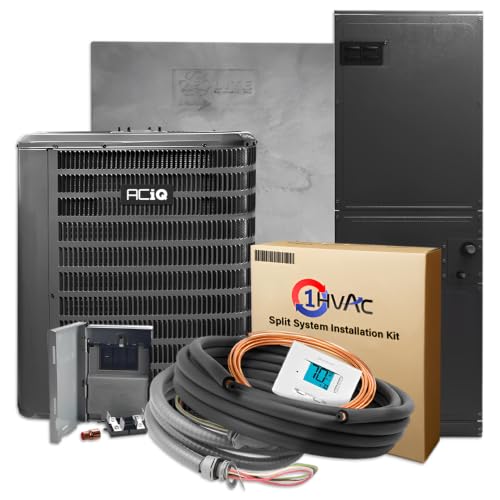
Replacement HVAC System Cost: A Complete Homeowner Guide
Everything you need to understand before investing in a new heating and cooling system — from sizing and efficiency tiers to installation steps and long-term value.
START LEARNINGBuyer's Research Hub: This guide is designed for homeowners who already know they need a replacement HVAC system and want to make a confident, well-informed decision. Read through the sections below to understand the full picture before you compare quotes or explore product options.
Understanding the Replacement HVAC Investment
Replacing a heating, ventilation, and air conditioning (HVAC) system is one of the most significant home improvement decisions a homeowner can make. Unlike a simple appliance swap, an HVAC replacement touches every room in your house and affects comfort, indoor air quality, and energy consumption for the next 15 to 20 years. Understanding what drives the overall investment — and what separates one tier of system from another — is essential before you sign a contract or purchase equipment.
The total outlay for a replacement HVAC system is influenced by several interconnected factors: the capacity (measured in BTUs or tons) required for your home, the efficiency tier of the equipment, the condition and compatibility of existing ductwork, the complexity of the installation, and the region you live in. A mid-range system in a straightforward single-story home with sound ducts will sit in a very different tier than a premium variable-speed heat pump installed in a multi-story home with aging ductwork that needs sealing and repair.
Rather than focusing on a single figure, smart buyers think in terms of tiers: entry-level systems that meet basic efficiency standards, mid-range systems that balance performance and features, premium systems with advanced inverter compressors and smart controls, and luxury or commercial-grade systems designed for maximum efficiency and longevity. Each tier represents a different long-term investment profile. For a broader overview of what replacement projects involve, explore our guide on replacement HVAC system cost considerations and planning steps.
Key Factors That Shape Your HVAC Replacement Investment
Several variables determine where your replacement project lands within the tier spectrum. Understanding each one helps you evaluate quotes with confidence and avoid over- or under-specifying your system.
1. System Capacity and Home Sizing
The first decision is capacity. An HVAC system that is too small will struggle to maintain comfortable temperatures during peak summer or winter, running continuously and wearing out prematurely. A system that is too large will cycle on and off frequently, leading to uneven temperatures, higher humidity, and unnecessary wear. Proper sizing requires a professional load calculation — often called a Manual J calculation — that accounts for square footage, ceiling height, window area, insulation quality, and local climate. A correctly sized mid-range system will always outperform an oversized premium system in terms of comfort and reliability.
If you are also considering a ductless option for a specific area, understanding the difference between pros and cons of ductless air conditioning can help you decide whether a hybrid approach makes sense for your home.
2. Efficiency Ratings and Tier Selection
Efficiency is expressed through SEER (Seasonal Energy Efficiency Ratio) and SEER2 ratings for cooling, and HSPF (Heating Seasonal Performance Factor) for heat pumps. Entry-level systems typically meet the minimum federal standards, while mid-range and premium systems exceed them, translating to lower energy consumption over the system's lifespan. The difference between a mid-range and a high-end tier system is not just the initial outlay — it is the long-term operating efficiency, the quietness of operation, the sophistication of the compressor (single-stage versus two-stage versus variable-speed), and the inclusion of smart thermostat compatibility. Our guide on SEER vs SEER2 DOE standards explains the regulatory context in detail.
3. Ductwork Condition and Compatibility
Your existing ductwork can significantly affect the overall project scope. If the ducts are leaking, poorly insulated, or improperly sized for the new system, they will need to be sealed, repaired, or replaced. Sealing air ducts is one of the most effective ways to improve efficiency and comfort. Our guide on seal air ducts for efficiency covers the steps and benefits. In some homes, the ductwork is in such poor condition that a ductless mini-split system becomes a more practical alternative — a decision worth discussing with your contractor.
4. Labor, Permits, and Installation Complexity
Labor accounts for a substantial portion of any replacement project. Factors include the accessibility of the indoor and outdoor units, the need for electrical panel upgrades, the length of refrigerant line sets, and whether the installation requires a crane or special equipment. Permits and inspections add another layer of administrative steps. A straightforward replacement — swapping a like-for-like system in an accessible location — will sit in a lower tier than a complex retrofit that involves relocating equipment, upgrading electrical service, or modifying ductwork. For guidance on the professional side, review our article on servicing HVAC system best practices.
Comparing HVAC System Tiers: Entry-Level to Luxury
To make an informed decision, it helps to understand how HVAC systems are positioned in the market. The table below outlines the tier spectrum without referencing specific figures, so the classification remains relevant regardless of market fluctuations or currency differences.
When comparing quotes, ask your contractor to specify which tier each proposed system falls into and what concrete differences in performance, durability, and features that tier delivers. A mid-range system with well-sealed ducts will often deliver better real-world comfort than a premium system installed with neglected ductwork.
Heat Pumps vs Traditional HVAC Systems
When replacing an HVAC system, you have a strategic choice to make: stay with a conventional furnace-and-air-conditioner setup, or switch to a heat pump system that handles both heating and cooling in a single unit. Heat pumps have advanced considerably in recent years, and modern cold-climate models perform well even in regions with harsh winters.
Heat pumps are generally more energy-efficient than traditional systems because they move heat rather than generating it through combustion. For homeowners who are also considering ductless options, a portable mini split can complement a whole-home system by adding targeted comfort to a room that is difficult to condition. If you are weighing a ductless approach for a specific space, our comparison of portable vs window AC is a useful starting point. For homes with no existing ductwork or with ducts in poor condition, a ductless mini-split system can be a practical alternative to a full ducted replacement.
The HVAC Replacement Process Step by Step
Understanding the sequence of a professional HVAC replacement helps you plan your time, prepare your home, and know what to expect from your contractor.
- Professional Load Calculation: The contractor measures your home and calculates the required capacity. This is the foundation of a correctly sized system.
- System Selection and Proposal: Based on the load calculation, ductwork assessment, and your preferences, the contractor proposes systems across one or more tiers.
- Permits and Scheduling: The contractor obtains required permits and schedules the installation, usually coordinating with your availability.
- Removal of Old Equipment: The old indoor and outdoor units are disconnected and removed, and refrigerant is recovered in accordance with EPA regulations.
- Ductwork Evaluation and Preparation: Ducts are inspected, sealed, and repaired as needed to ensure they are compatible with the new system's airflow requirements.
- Installation of New Equipment: The new indoor unit, outdoor unit, refrigerant lines, electrical connections, and thermostat are installed and connected.
- Testing and Commissioning: The system is charged with refrigerant, airflow is balanced, and the system is tested to verify it meets the manufacturer's specifications.
- Walkthrough and Documentation: The contractor walks you through the system controls, provides warranty documentation, and answers your questions.
For a deeper look at what maintenance after installation looks like, see our article on preventive maintenance of air conditioning unit. A seasonal AC checklist can also help you keep the new system in peak condition year after year.
Questions to Ask Your HVAC Contractor
Before committing to a replacement project, ask your contractor the following questions. Their answers will help you compare proposals on an apples-to-apples basis and identify who is truly looking out for your long-term interests.
- Did you perform a room-by-room load calculation, and can I see the results?
- Which tier does each proposed system fall into, and what specific features differentiate it?
- How does the new system's efficiency rating compare to my current equipment?
- What is the condition of my ductwork, and does it need sealing or repair?
- Are there any electrical or structural upgrades required for the new system?
- What warranties are included on parts and labor, and what is the claims process?
- Will you register the equipment warranty on my behalf?
- What maintenance schedule do you recommend for the new system?
If your home has a humidifier or other HVAC accessories, ask how they will be integrated with the new system. Our guide on replacing humidifier on furnace provides useful context.
Long-Term Value and Efficiency Considerations
A replacement HVAC system is a long-term investment. The tier you choose affects not only your comfort but also your energy consumption over the next 15 to 20 years. A premium system with a variable-speed compressor and a high SEER rating will consume less energy than an entry-level system, and it will often operate more quietly and maintain more consistent temperatures. However, the incremental efficiency gains must be weighed against your climate, your home's insulation and ductwork quality, and how long you plan to stay in the home.
Beyond the equipment itself, the quality of the installation matters enormously. A mid-range system installed by a meticulous contractor will outperform a premium system installed poorly. Choose a contractor with a strong reputation, proper licensing, and a track record of clean, code-compliant work. The servicing HVAC system guide offers insight into the maintenance standards that protect your investment over time.
If your home has a rooftop unit — common in some commercial and residential configurations — the replacement approach differs from a ground-level split system. Our article on rooftop air conditioning units covers the specifics.
Frequently Asked Questions
How long does a replacement HVAC system last?
A well-maintained HVAC system typically lasts 15 to 20 years. Premium and high-end tier systems with durable construction often reach the upper end of that range when serviced regularly. Proper installation and annual maintenance are the two biggest factors in longevity.
What factors influence replacement HVAC system cost the most?
System capacity, efficiency tier, ductwork condition, labor complexity, and regional climate all influence the overall investment. Higher-tier systems with advanced inverter technology and smart controls carry a larger initial outlay but can be more efficient in the long run.
Should I replace my HVAC system and ductwork at the same time?
If your ductwork is aging, leaking, or improperly sized, replacing it alongside the HVAC unit is often the wiser long-term investment. Sealing and upgrading ducts improves efficiency and comfort across the whole home. Our guide on seal air ducts for efficiency explains the benefits.
Is a higher SEER rating worth the upgrade?
Higher SEER ratings generally mean lower energy consumption over the system's lifespan. If you plan to stay in your home long term, a high-end tier system with a strong SEER rating can be efficient in the long run. The difference is most pronounced in climates with long cooling seasons.
Can I replace just the outdoor unit and keep my indoor unit?
In some cases, yes, but it is rarely recommended. Mismatched indoor and outdoor units can reduce efficiency, compromise reliability, and void warranties. A matched system — both indoor and outdoor components designed to work together — delivers the performance and efficiency the manufacturer intended.
How do I know if my ductwork needs replacement?
Signs include visible leaks or disconnections, uneven room temperatures, excessive dust, high energy consumption, and ducts that are older than the home's current HVAC system. A professional duct inspection can determine whether sealing, repair, or full replacement is the right path.