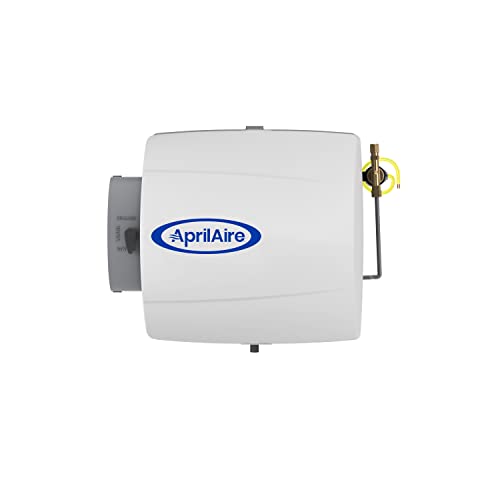
Replacing Humidifier on Furnace: Complete Step-by-Step Guide
Everything you need to know about replacing a furnace humidifier — comparing bypass, fan-powered, and steam models, understanding the installation process, and keeping your home comfortable throughout the heating season.
START LEARNINGWhy a Furnace Humidifier Matters: Dry winter air can cause cracked skin, static shocks, wood furniture damage, and increased energy use as you raise the thermostat to feel warmer. A furnace-mounted humidifier adds moisture to the heated air before it circulates through your home. When the unit fails or becomes outdated, replacing it restores comfort and protects your indoor environment. This guide explains how to choose the right replacement and what the installation involves.
Understanding Furnace Humidifiers
What Does a Furnace Humidifier Do?
A furnace humidifier is installed on the supply or return plenum of your forced-air furnace. As warm air passes through the unit, moisture is added via an evaporative pad, a rotating drum, or a steam canister. The humidified air then travels through the ductwork to every room. Proper humidity levels — typically between 30% and 50% indoors — improve comfort, reduce static electricity, and help preserve wood floors and furniture.
Furnace humidifiers are distinct from portable room humidifiers and from standalone console units. They are integrated into the HVAC system, require a water supply line and a drain, and are controlled by a humidistat. Most are powered by the furnace's low-voltage control circuit or a dedicated outlet, depending on the model.
Humidistat Control
A humidistat measures indoor relative humidity and signals the humidifier to operate when the level drops below the setpoint. Many modern humidistats are integrated with smart thermostats, allowing humidity control from a phone or automation platform. Proper humidistat placement — usually on the return duct or a central wall — is essential for accurate readings.
Water Supply and Drain
Most furnace humidifiers connect to a cold-water pipe via a saddle valve or a dedicated shutoff valve. Water flows through the humidifier and drains away, carrying minerals with it. Steam humidifiers use a canister that boils water and typically require a dedicated electrical circuit. Understanding the water and drain requirements is important when selecting a replacement.
Signs Your Furnace Humidifier Needs Replacing
Furnace humidifiers are durable, but components wear out over time. The following symptoms indicate that repair may no longer be worthwhile and replacement is the better path.
Persistent Dry Air
If the humidistat is set correctly but indoor humidity remains low, the humidifier may be clogged, the pad may be scaled, or the water supply may be restricted. If cleaning and pad replacement do not restore performance, the unit may be at the end of its service life.
Water Leaks
Leaks around the humidifier cabinet, from the drain line, or from the water inlet can indicate a cracked housing, a failed solenoid valve, or a deteriorated seal. Some leaks are repairable; a cracked cabinet usually is not.
Mineral Buildup
Hard water leaves scale on the pad, the water distribution tray, and the drain. Heavy scale reduces efficiency and can block water flow. If the unit cannot be descaled effectively, replacement is the practical solution.
Solenoid Valve Failure
The solenoid valve controls water flow into the humidifier. A failed valve may stay closed (no humidification) or stay open (overflow). Replacement valves are available for many models, but on older units the cabinet and valve may both be worn.
Fan or Motor Noise
Fan-powered humidifiers have a small motor that can become noisy or seize. On some models the fan assembly is replaceable; on others, the entire unit is the practical replacement path.
Age and Obsolescence
Most furnace humidifiers last 10 to 15 years with regular maintenance. If your unit is approaching that range and parts are difficult to source, replacing it with a current model is a sensible long-term decision.
Important: Before assuming the humidifier is faulty, verify that the furnace is running, the humidistat is set above the current humidity level, the water supply valve is open, and the pad is not clogged. Many "failed" humidifiers are simply due for a pad replacement or a water supply check. If you are also noticing broader heating issues, review furnace servicing guidance before replacing components.
Comparing Furnace Humidifier Types
| Type | How It Works | Best For | Installation Notes |
|---|---|---|---|
| Bypass Humidifier | Uses furnace airflow to push air through a water-soaked pad; relies on a bypass duct | Most homes with a standard forced-air furnace | Requires a bypass duct and a drain; simplest and most common replacement |
| Fan-Powered Humidifier | Has its own fan that pulls air through the pad, independent of furnace airflow | Tightly sealed homes and installations where a bypass duct is impractical | Needs a power source; no bypass duct required; slightly higher electrical load |
| Steam Humidifier | Boils water in a canister and injects steam into the duct | Large homes, homes with high humidity demand, or homes with limited duct space | Requires a dedicated electrical circuit and a drain; more complex installation |
| Drum Humidifier | Rotating drum picks up water from a reservoir and air passes through it | Older installations; some legacy systems | Less common today; replacement parts may be harder to find |
For most homeowners replacing an existing bypass humidifier, a like-for-like bypass model is the simplest path. If the home is tightly sealed or the existing bypass duct is undersized, a fan-powered model may deliver better humidity control. Steam humidifiers are the top-tier choice when precise humidity is required, but they demand dedicated electrical work and more maintenance. If you are also considering broader HVAC upgrades, review guidance on replacing heating and air conditioning systems to plan the work holistically.
Step-by-Step: Replacing a Furnace Humidifier
The following steps describe a like-for-like replacement of a bypass humidifier. If you are switching types or installing a steam unit, additional electrical and plumbing work is required, and a licensed HVAC technician is recommended.
- Turn Off Power and Water. Shut off the furnace at the service switch and turn off the water supply valve feeding the humidifier. Allow the unit to cool if it has been running.
- Disconnect Water and Drain Lines. Close the saddle valve or dedicated shutoff, then disconnect the water supply line and the drain line from the humidifier. Have a towel and small bucket ready for residual water.
- Disconnect Electrical Connections. Label and disconnect the low-voltage wires from the humidistat and the furnace control board. If the unit is powered by a dedicated outlet, unplug it.
- Remove the Old Unit. Detach the humidifier from the duct plenum and the bypass duct. Remove any mounting screws and seal the openings temporarily if the new unit will not be installed immediately.
- Inspect and Prepare the Duct Openings. Clean the duct surfaces where the new unit will mount. Verify that the bypass duct and plenum openings match the new humidifier's dimensions. If the new unit is a different size, use sheet metal and foil tape to adapt the openings.
- Mount the New Humidifier. Follow the manufacturer's template to cut or confirm openings, then secure the new cabinet to the plenum and connect the bypass duct. Seal all seams with foil tape or duct sealant to prevent air leaks.
- Connect Water Supply and Drain. Install or reuse the water supply line and connect it to the humidifier's inlet. Connect the drain line and route it to a suitable drain with a proper trap. Check for leaks after pressurizing.
- Wire the Humidistat and Furnace Control. Connect the low-voltage wiring according to the manufacturer's diagram. If the unit requires line voltage, confirm that the circuit is appropriately sized and protected.
- Install the Water Panel and Set the Humidistat. Insert a fresh water panel or pad, set the humidistat to the desired level, and restore power and water. Verify operation by observing water flow and airflow through the unit.
- Verify Performance and Seal the Work Area. Run the furnace and confirm that humidity rises over time. Check for leaks, listen for unusual noise, and seal any remaining duct openings. Record the installation for future maintenance.
Pro Tip: Photograph the old wiring and water connections before disconnecting anything. Labeling the low-voltage wires and noting the humidistat model makes the new installation faster and reduces the risk of miswiring. If the new humidifier uses a different humidistat, follow the new wiring diagram rather than reusing the old one.
Maintaining Your New Furnace Humidifier
Replace the Water Panel Annually
The evaporative pad collects minerals and can become a breeding ground for mold if neglected. Replace it at the start of each heating season, or more often with hard water.
Clean the Cabinet and Drain
Wipe down the interior of the humidifier and flush the drain line at the start and end of the heating season. Vinegar can help dissolve mineral deposits on metal components.
Check the Solenoid Valve
Verify that water flows when the humidistat calls for humidity and stops when it is satisfied. A valve that drips or fails to open should be replaced promptly.
Inspect the Bypass Duct
Confirm that the bypass damper is open during the heating season and that the duct is sealed. A disconnected or leaking bypass duct wastes energy and reduces humidification.
Monitor Humidity Levels
Keep indoor humidity between 30% and 50%. Too little humidity causes discomfort; too much can lead to condensation on windows and mold growth. Adjust the humidistat seasonally.
Schedule Seasonal HVAC Service
Include the humidifier in your annual furnace tune-up. A technician can verify operation, check electrical connections, and confirm that the unit is not interfering with furnace performance.
Consistent maintenance is the best way to protect your investment. Combine humidifier upkeep with a broader seasonal HVAC checklist and consider a preventive maintenance plan for your air conditioning unit so that both heating and cooling systems are serviced on schedule. If you prefer professional servicing, understand what is involved in servicing an HVAC system and how to coordinate humidifier work with the rest of your equipment.
When to Call a Professional
Replacing a like-for-like bypass humidifier is within reach for a handy homeowner who is comfortable with basic plumbing and low-voltage wiring. However, the following situations call for a licensed HVAC technician.
Switching from a bypass to a steam humidifier requires a dedicated electrical circuit, a drain, and often a larger duct opening. Installing a fan-powered humidifier in a location without a nearby outlet requires electrical work. Tapping a new water line, repairing a leaking saddle valve, or correcting a drain that does not meet code are plumbing tasks that should be handled by a professional. If the furnace itself is showing signs of trouble — unusual noises, short cycling, or inconsistent heat — address those issues first through furnace servicing before adding a new humidifier.
Safety Note: Always shut off power to the furnace at the service switch before working on the humidifier wiring. Water and electricity are a dangerous combination. If you are unsure about any step, stop and call a qualified technician. A poorly installed humidifier can leak, cause mold, or interfere with furnace operation.
Frequently Asked Questions About Replacing Furnace Humidifiers
How long does a furnace humidifier last?
With regular maintenance, a furnace humidifier typically lasts 10 to 15 years. The water panel should be replaced annually, and the solenoid valve and fan may need attention after several seasons. If the cabinet cracks or parts become difficult to source, replacement is the practical choice.
Can I replace a furnace humidifier myself?
A like-for-like replacement of a bypass humidifier is a manageable DIY project for a homeowner comfortable with basic plumbing and low-voltage wiring. Installing a different type, tapping a new water line, or adding a dedicated electrical circuit requires professional skills. When in doubt, hire a licensed HVAC technician.
What type of humidifier is best for a furnace?
Bypass humidifiers are the most common and reliable choice for most homes. Fan-powered models provide better performance in tightly sealed homes. Steam humidifiers deliver the most precise humidity control and suit large homes or homes with high humidity demands. The right choice depends on your home's tightness, duct layout, and humidity goals.
How often should I replace the humidifier pad?
Replace the water panel or pad at least once per heating season, or more often if you have hard water. A clogged pad reduces humidification efficiency and can harbor bacteria. Check the pad monthly during heavy use and replace it when it becomes crusted or discolored.
Why is my humidifier not adding humidity?
Common causes include a closed water supply valve, a clogged water panel, a failed solenoid valve, a humidistat set too low, or a disconnected bypass duct. Verify that the furnace is running and the humidistat is calling for humidity. If water and airflow are confirmed but humidity does not rise, the humidifier may need service or replacement.
Should I turn off the humidifier in summer?
Yes. Most furnace humidifiers should be turned off and the water supply shut off during the cooling season. The bypass damper should be closed to prevent humidified air from escaping and to avoid unnecessary humidity in the ductwork. Some humidistats include a summer shutoff setting that simplifies this.
Final Takeaway: Replacing a furnace humidifier is a straightforward project when approached methodically. Choose a model that matches your home's needs and duct layout, follow the manufacturer's installation instructions carefully, and maintain the unit with an annual pad replacement and seasonal cleaning. For more on keeping your HVAC system in top condition, explore our guide to servicing an HVAC system and review replacing heating and air conditioning systems when planning larger upgrades.