
Servicing Furnace: A Practical Guide for Homeowners
Understand what furnace servicing involves, why it matters for safety and efficiency, how to prepare for a professional tune-up, and which maintenance tasks you can safely handle yourself.
Why servicing your furnace matters: A well-maintained furnace heats more evenly, consumes less energy, and lasts several years longer than a neglected one. More importantly, annual servicing catches safety issues — like heat exchanger cracks or combustion problems — that are invisible to the homeowner but potentially serious. This guide explains what servicing entails and how to approach it with confidence.
What Is Furnace Servicing?
Furnace servicing is the systematic inspection, cleaning, and adjustment of a heating system's components. It goes well beyond a visual check. A thorough service visit verifies that the furnace is operating within manufacturer specifications for airflow, fuel combustion, and electrical performance. Each of these factors influences efficiency, safety, and equipment lifespan.
Furnaces are complex mechanical systems with gas valves, ignition controls, heat exchangers, blower motors, and safety switches that must work in coordination. Servicing confirms that every component is functioning correctly and that the system as a whole delivers consistent, safe heating.
What a Professional Furnace Service Covers
A well-executed professional service is more comprehensive than most homeowners realize. The following categories represent the typical scope of a thorough tune-up.
Combustion System Inspection
Burners are cleaned and inspected for proper flame pattern. Gas pressure is measured and adjusted, and the pilot or electronic ignition is tested. Combustion analysis confirms safe operation.
Heat Exchanger Inspection
The heat exchanger is the component most critical to safety. Technicians inspect for cracks, corrosion, or blockages that could allow combustion gases to enter the home.
Blower Motor and Airflow
Blower motor bearings are lubricated, the blower wheel is cleaned, and airflow is measured. Temperature rise is verified against the manufacturer's specification.
Electrical Testing
Electrical connections are tightened, capacitors and contactors are tested, and safety switches are verified. Amp draw on motors is measured to catch early signs of wear.
Venting and Flue
The venting system is inspected for blockages, corrosion, and proper slope. Draft is tested to confirm exhaust gases leave the home safely.
Filter Replacement
A fresh filter is installed and the correct size and MERV rating are verified. Restricted airflow is one of the most common causes of furnace problems.
Thermostat and Controls
Thermostat calibration is checked, and the control board is inspected for fault codes or signs of wear. Safety limits are tested to confirm proper shutdown behavior.
Condensate Drain (High-Efficiency Units)
For condensing furnaces, the condensate drain is cleared and verified. Blockages here can cause water damage or trigger safety shutoffs.
Why Annual Furnace Servicing Matters
Regular servicing delivers benefits across safety, efficiency, and reliability. The most important of these is safety: a furnace with an undetected heat exchanger crack can introduce carbon monoxide into the living space. Annual inspections catch this scenario before it becomes dangerous.
Efficiency gains follow closely behind. Clean burners, correct airflow, and properly adjusted combustion produce more heat from the same fuel input. Homeowners who service consistently often notice lower winter energy usage, particularly on older systems.
Reliability is the third major benefit. A technician who inspects the furnace each autumn can identify and replace a failing capacitor, flame sensor, or igniter before it causes a no-heat emergency on a cold night. This proactive approach almost always saves both time and frustration.
DIY Furnace Maintenance: Safe Tasks for Homeowners
While professional servicing handles the internal components, several maintenance tasks are safe and appropriate for homeowners to perform between service visits.
- Replace the air filter: Every 30 to 90 days depending on household dust, pets, and system runtime. This single task has the greatest impact on performance.
- Keep the area around the furnace clear: Remove stored items, cardboard, or flammable materials within several feet of the unit.
- Clean supply and return registers: Dust accumulation on grilles reduces airflow and is easy to address with a vacuum and soft brush.
- Inspect the flue pipe visually: Look for obvious cracks, corrosion, or disconnections. Call a technician if anything appears wrong.
- Test the thermostat: Verify that heating mode engages and that the set temperature is reached within a reasonable time.
- Keep the combustion air intake clear: In high-efficiency installations, confirm that intake pipes are unobstructed outside the home.
- Listen and observe: Unusual sounds, smells, or visible soot should prompt a professional call rather than a DIY attempt.
Safety note: Never open the combustion chamber or attempt to adjust gas components yourself. Gas appliances require specific tools and training, and unqualified adjustments can create dangerous conditions or void the manufacturer's warranty.
When to Schedule Servicing
Timing matters more than many homeowners realize. The ideal window for furnace servicing is early autumn, before the first cold week. Technicians are less busy in this period, so scheduling is easier, and any parts needed can be sourced without the urgency of a heating emergency.
Homes with specific circumstances may benefit from different schedules. New installations should be serviced once per year, starting after the first full season. Older systems, homes in harsh climates, and households with pets often benefit from additional mid-season filter changes. Our seasonal AC checklist companion covers a full annual maintenance rhythm that includes both heating and cooling.
| Tier | Typical Servicing Scope | Best For |
|---|---|---|
| Essential Tier Service | Filter replacement, exterior visual inspection, thermostat check, basic airflow verification | Well-maintained systems that only need routine annual care |
| Mid-Range Service | Full combustion inspection, burner cleaning, ignition testing, blower cleaning, temperature rise verification | Systems that have run several seasons since their last visit |
| High-End Tier Service | Includes all mid-range tasks plus combustion analysis, heat exchanger inspection with camera, electrical diagnostics, and static pressure measurement | Older systems or households that want the deepest level of safety verification |
| Professional-Grade Servicing | Full diagnostic assessment, performance tuning, comprehensive documentation, and prioritised emergency support | Homeowners seeking the most thorough servicing and reliable long-term coverage |
How a Professional Service Visit Unfolds
Understanding what happens during a service visit helps homeowners ask the right questions and verify that work was completed properly. A well-run visit follows a predictable sequence.
Step 1: System Overview and Safety Check
The technician confirms the furnace model, verifies venting configuration, and ensures the installation area is safe for diagnostics. Any pre-existing issues are noted.
Step 2: Component Inspection and Cleaning
Burners, blower wheel, flame sensor, and accessible coils are cleaned. The heat exchanger is inspected using camera or visual methods depending on configuration.
Step 3: Operational Testing
The furnace is started and observed through a full heating cycle. Temperature rise, amp draw, gas pressure, and combustion readings are measured against specification.
Step 4: Adjustments and Replacements
Components found to be out of specification are adjusted or replaced. The technician documents findings and may recommend replacements for parts showing wear.
Step 5: Documentation and Recommendations
A written report summarizes findings, completed work, and any recommended follow-up. Some companies offer maintenance agreements that schedule the next visit automatically.
Servicing Related Heating System Components
Furnace servicing is most effective when it exists within a broader approach to the home's heating and cooling equipment. Components that interact with the furnace — ductwork, thermostat, and humidifier — deserve attention as well.
Ductwork leaks waste a surprising amount of conditioned air and cause the furnace to work harder than necessary. Our guide on sealing air ducts for efficiency covers practical steps that pair naturally with annual servicing. Thermostat upgrades also belong in the conversation; a modern programmable or smart thermostat often improves comfort beyond what the furnace itself can achieve.
If the furnace humidifier is aging or unreliable, its replacement is a straightforward upgrade. Our overview of replacing a humidifier on a furnace explains what to consider when the existing unit has reached the end of its service life. Households evaluating entire heating system replacement should review the broader context in our guide to replacing heating and air conditioning systems.
When Servicing Reveals a Bigger Problem
Occasionally, a routine service uncovers an issue that goes beyond normal maintenance. A cracked heat exchanger, a failing inducer motor, or a control board with chronic faults may warrant replacement of the furnace rather than continued repairs. A trustworthy technician will explain the situation clearly and provide options rather than pushing toward a single outcome.
For homeowners weighing repair against replacement, our overview of servicing an HVAC system provides broader context on the interconnected components that share the furnace's workload. Understanding the whole system helps clarify whether a repair investment is likely to pay off over the equipment's remaining life.
Recommended Heating Equipment for Homeowners
⚠️ AFFILIATE DISCLOSURE: This website contains affiliate links. As an Amazon Associate, we earn from qualifying purchases. If you make a purchase through these links, we may receive a small commission at no additional cost to you. Read our full affiliate policy.
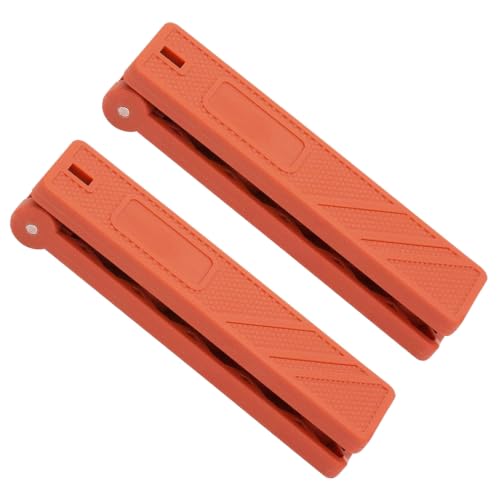
FPRO100 Furnace Pro Switch Clip, for HVAC Controls (2 PCS)
Check price on Amazon
2 Pcs FPRO100 Furnace Pro Switch Clip, for HVAC Controls (Black)
Check price on Amazon
For Whirlpool W10825088 Defrost Heater, Appliance Repair Replacement Part
Check price on Amazon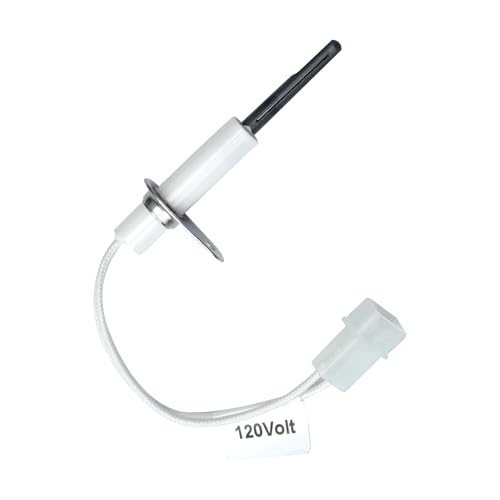
201657-03S Furnace Hot Surface Igniters Upgraded, 120V Nitride Ignitors Compatible with Heating System, 201657-03 20165702 20165702S 601TB-1142 IGN02004 0230K00001
Check price on Amazon
For Whirlpool WP2323197 Defrost Heater, Home Appliance Replacement Part
Check price on Amazon
Instructions for Installing, Servicing, Parts Ordering for Sears Model 303.93832 Furnace Humidifier
Check price on Amazon
PRESSURES & TEMPERATURES
Check price on Amazon
QRB1 Flame Sensor for Gas Burner Furnace Safety Detection Probe | Plastic Construction, Black Finish, 70x0.85x0.85cm Size, Replacement Part for Boiler Servicing and Maintenance
Check price on AmazonFrequently Asked Questions
How often should a furnace be serviced?
Most manufacturers recommend servicing a furnace once per year, ideally in early autumn before the heating season begins. Homes in cold climates or with older equipment may benefit from annual professional inspections with additional filter checks between visits.
What does professional furnace servicing include?
A professional furnace tune-up typically includes inspecting the heat exchanger, cleaning the burners, checking ignition and flame sensors, verifying gas pressure, testing the blower motor and capacitor, measuring temperature rise, and inspecting venting and safety controls.
Can I service my furnace myself?
Homeowners can safely replace the filter, keep the surrounding area clear, clean accessible vents, and visually inspect the exterior of the unit. Tasks involving the combustion chamber, gas valve, heat exchanger, electrical testing, or refrigerant circuits require a qualified technician due to safety and warranty considerations.
What are the signs a furnace needs servicing?
Watch for unusual noises, a persistent yellow pilot flame, uneven heating, rising utility usage, frequent on-off cycling, strange smells, or visible soot around the unit. Any of these signals should prompt a service call before the issue escalates.
Does servicing a furnace preserve the warranty?
Yes, most furnace manufacturers require documented annual servicing to maintain the parts warranty. Missing service records is one of the most common reasons a warranty claim is denied.
How long does a furnace service visit take?
A typical annual service visit takes between one and two hours, depending on system complexity, unit condition, and whether any components need adjustment or replacement during the visit.
Next steps: Use the recommendations above to explore heating equipment and accessories suited to your home. A well-maintained furnace paired with the right components delivers reliable warmth all winter and reduces the chance of an unexpected failure in the cold.