Room Air Conditioner Window Exhaust Panel: The Complete Guide
Everything you need to know about window exhaust panels for portable room air conditioners — types, compatibility, installation, and how to seal your window for maximum cooling efficiency.
Quick answer: A window exhaust panel (also called a window vent kit or window seal kit) is the essential accessory that connects your portable air conditioner's exhaust hose to an open window. It seals the gap around the hose so hot exhaust air leaves the room and outdoor air stays outside — keeping your cooling performance where it belongs: inside your room.
What Is a Room Air Conditioner Window Exhaust Panel?
Portable room air conditioners work differently from window units. Instead of sitting in the window itself, a portable unit stands on the floor and pushes hot air out through a flexible exhaust hose. That hose needs somewhere to go — and that somewhere is an open window or door.
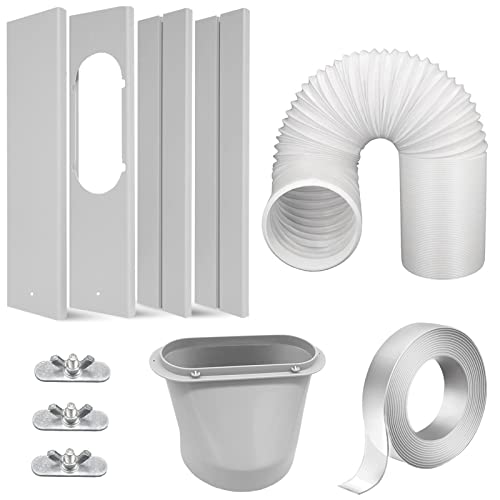
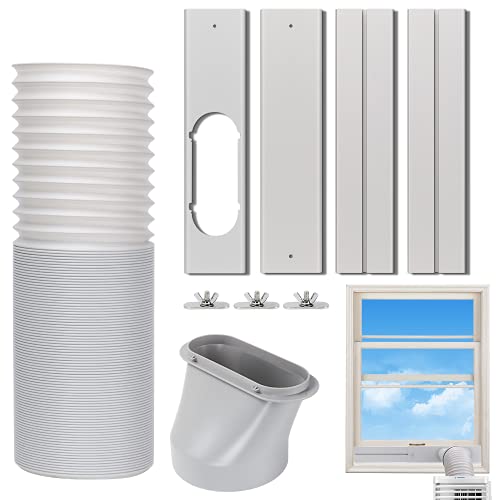
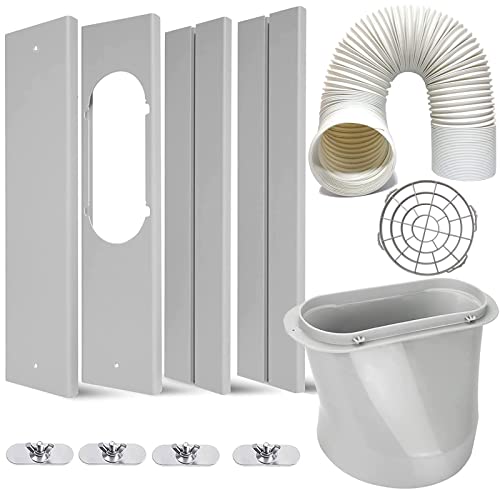
The problem is obvious: an open window lets hot outdoor air pour back into your room while your air conditioner is working hard to cool it. A window exhaust panel solves this by creating a sealed panel that fits into the window track. The panel has a circular opening (usually with a hose connector) through which the exhaust hose passes. Everything else stays closed off.
The result is a clean, sealed installation that:
- Directs hot exhaust air outdoors without letting it recirculate
- Prevents insects, debris, and outdoor heat from entering
- Improves the effective cooling efficiency of your portable AC
- Keeps the window securely positioned and visually tidy
Without a proper exhaust panel, a portable air conditioner would still technically work, but its cooling performance would be compromised by constant hot air infiltration. Many manufacturers ship their portable units with a basic window kit in the box. Others require you to purchase a compatible panel separately, especially for unusual window types.
Types of Window Exhaust Panels
Exhaust panels are not one-size-fits-all. Window styles vary significantly, and the panel must match the window it will be installed in. Here are the primary categories you will encounter:
Sliding Window Kits
Designed for double-hung and single-hung windows that slide up and down, or sliding windows that move side to side. Most kits include adjustable panels that extend to fit the window width and a hose connector plate. These are the most common type and typically cover a range of window widths.
Casement Window Kits
Casement windows open outward with a crank mechanism, leaving no vertical track for a slider panel. These kits use a fabric or flexible seal that wraps around the open sash and hose, creating a soft seal. They are essential for homes where casement windows are the only available option.
Sliding Door Kits
For rooms where a balcony or patio sliding door is the best exhaust route, sliding door kits provide taller and wider panels that accommodate the larger opening. These are common in apartments and condos where windows may be limited.
Universal / Adjustable Kits
These aim to fit multiple window types within a specified size range. They typically combine adjustable slider panels with removable sections for different window heights. They are a practical choice when you are unsure of your window type or plan to move the unit between rooms.
Beyond window style, panels also differ in material and build quality. Entry-level kits often use thin plastic panels that flex under pressure, while mid-range and premium kits use thicker ABS plastic, reinforced frames, and better sealing strips. The hose connector diameter also varies — most portable AC exhaust hoses are either 5-inch or 6-inch diameter, so verify compatibility before purchase.
Window Type Compatibility at a Glance
Use the table below to identify which panel category matches your window. The "Best For" column reflects the typical use case for each panel tier.
| Panel Category | Window Style | Best For |
|---|---|---|
| Adjustable slider kit (entry-level) | Double-hung, single-hung | Standard vertical windows in bedrooms and living rooms |
| Reinforced slider kit (mid-range) | Double-hung, sliding windows | Larger portable AC units and longer hose runs |
| Casement fabric seal kit | Casement, awning | Homes with crank-open windows |
| Sliding door kit (tall panel) | Patio sliding doors | Apartments and condos with limited windows |
| Universal multi-fit kit | Most common window styles | Multi-room use or uncertain window sizing |
How to Measure Your Window for an Exhaust Panel
Getting the measurement right is the single most important step. A panel that is too short leaves gaps; one that is too long will not fit into the track at all. Follow this process:
- Measure the window opening width. Open the window as far as it will go and measure the full horizontal opening from frame to frame.
- Measure the window track depth. Measure the depth of the sill or track where the panel will rest — this determines whether the panel's feet will sit securely.
- Measure the vertical height of the opening if using a sliding door kit or a panel that covers the full window height.
- Check the exhaust hose diameter. Most portable ACs use a 5-inch or 6-inch hose. The panel's hose connector must match, or you will need an adapter.
- Match against the panel's adjustable range. Every kit lists a minimum and maximum width. Your window opening should fall comfortably inside that range — not at the extreme edge.
For casement windows, you will instead measure the height and width of the open sash and choose a fabric seal kit rated for that sash size. When in doubt, size up within the kit's adjustment range rather than choosing a panel that barely fits.
Step-by-Step Installation
Installing a window exhaust panel is a straightforward DIY task that takes about fifteen to thirty minutes. Here is the general process:
1. Prepare the Window
Clean the window track and sill so the panel sits flush. Remove any obstructions and confirm the window opens and closes smoothly.
2. Assemble the Panel
If your kit uses multiple sections, slide them together to match your window width. Most panels lock into place with tabs or screws. Do not over-tighten plastic components — they can crack under excess pressure.
3. Insert the Panel into the Track
Lower the panel into the window track, making sure the bottom edge sits in the sill channel and the top edge aligns with the window sash. Close the window gently until it rests against the top of the panel.
4. Seal the Gaps
Many kits include foam seals or weatherstripping. Apply these along the top and sides of the panel to close any remaining gaps. For sliding windows, a sash lock or a cut-to-size wooden dowel can prevent the window from being pushed open.
5. Connect the Exhaust Hose
Attach the hose connector to the panel's circular opening, then connect the other end to your portable AC's exhaust outlet. Make sure the hose is as short and straight as possible — long, looping hoses reduce exhaust efficiency.
6. Test the Setup
Turn on the air conditioner and check for air leaks around the panel edges. A properly sealed installation should direct all exhaust air outside with no noticeable draft returning into the room.
Pre-installation checklist:
- Window opens wide enough for the panel's minimum width
- Panel adjustable range covers your window opening
- Hose diameter matches the panel connector (5-inch or 6-inch)
- Foam seals or weatherstripping included or purchased separately
- Window can be secured against accidental opening
Common Problems and Solutions
Even a well-installed panel can run into issues. These are the most frequent complaints and how to address them:
Air Leaking Around the Panel
This usually means the foam seals are missing, worn, or incorrectly placed. Add weatherstripping along all four edges of the panel. For casement seals, make sure the fabric is pulled taut and the zipper or hook-and-loop closure is fully sealed around the hose.
Panel Does Not Fit the Window
Double-check your measurements against the kit's stated range. If the panel is slightly too wide, some kits allow trimming of the inner slider section. If it is too narrow, you need a different kit — do not attempt to bridge a large gap with tape or foam alone.
Hose Keeps Disconnecting
Hose connectors can loosen over time, especially if the hose is stretched or bent sharply. Re-seat the connector firmly and keep the hose as straight as possible. Some users add a hose clamp for extra security, but check that this does not void the manufacturer's instructions.
Condensation Around the Window
Portable ACs produce condensate, and some units drip water near the exhaust area. Most units have a drain port or self-evaporative system. If you notice water pooling near the window, check the unit's drainage instructions and ensure the panel area is not trapping moisture against the sill.
If your unit is not cooling effectively even with a sealed panel, the issue may be elsewhere in the system. Our guide on room air conditioners that do not need venting explains alternative approaches, and if you are considering a different cooling method altogether, the room AC window exhaust panel overview provides additional context.
How to Choose the Right Panel for Your Setup
Choosing a panel comes down to four factors: window type, window size, hose diameter, and build quality. Here is a practical framework:
- Match the window type first. A slider kit will not work in a casement window, and a casement kit will not work in a double-hung window. Start here.
- Verify the size range. Your window opening should fall well inside the kit's adjustable range, not at the extreme ends.
- Confirm hose compatibility. Check the diameter of your portable AC's exhaust hose against the panel's connector. Adapters exist, but matching directly is simpler.
- Consider build quality. Entry-level panels are adequate for seasonal use. Mid-range kits with thicker panels and reinforced frames hold up better to repeated installation and removal. Premium and commercial-grade kits offer the most durable construction and sealing hardware.
If your room has no suitable window at all, you may need to explore alternatives. Our articles on room air conditioners that do not need a window and room air conditioners without exhaust hoses cover options for these situations. For vertical window configurations, see the vertical window air conditioner guide, and for side-sliding windows, the casement window air conditioner guide is the relevant reference.
Maintenance and Seasonal Care
A window exhaust panel is a simple accessory, but a little maintenance keeps it effective season after season:
- Inspect the seals before each cooling season. Foam strips compress over time and lose their sealing ability. Replace them when they look flattened or cracked.
- Clean the panel and window track. Dust and pollen accumulate in the track and on the panel surface. Wipe down both at the start and end of the season.
- Store the panel flat. During winter, store the panel in a dry place where it will not be bent or crushed. Thin plastic panels can warp if left under heavy objects.
- Check the hose and connector. Look for cracks in the hose and wear on the connector ring. A leaking hose defeats the purpose of the sealed panel.
For a broader seasonal maintenance routine that covers both your unit and its accessories, see our seasonal AC checklist.
Frequently Asked Questions
What is a room air conditioner window exhaust panel?
A window exhaust panel is a kit that seals the gap between a portable air conditioner's exhaust hose and a window opening. It prevents cooled indoor air from escaping and stops hot outdoor air from entering while directing exhaust heat outside.
Do all portable air conditioners need a window exhaust panel?
Yes, every portable air conditioner requires a way to exhaust hot air outside. A window exhaust panel is the most common and efficient method, though sliding door kits and through-wall vents are alternatives for spaces without suitable windows.
How do I measure my window for an exhaust panel?
Measure the width and height of the open window space where the panel will sit, plus the depth of the window track. Most panels are adjustable within a specific range, so match your window opening to the panel's minimum and maximum dimensions.
Can I use a window exhaust panel with a casement window?
Standard slider panels do not fit casement windows, which open outward with a crank. You need a dedicated casement window kit featuring a fabric or rigid panel that seals around the swinging sash. Measure carefully as casement kits have specific size ranges.
Can I make a window exhaust panel myself?
Some homeowners build DIY panels from rigid foam board or plywood cut to the window opening with a circular hole for the hose. While this can work in a pinch, manufactured kits provide better sealing, easier installation, and a cleaner appearance. For a long-term setup, a proper kit is the more reliable choice.
What if my window is too small for the panel?
Check whether your kit offers a compact or narrow-width variant. If no standard kit fits, a sliding door kit or a casement-style fabric seal may work depending on your window configuration. In rooms with no usable window, consider a unit designed for windowless operation, as covered in our guide on room air conditioners that do not need a window.
Related Guides
Explore these related topics to complete your portable cooling setup:
Ready to Set Up Your Portable AC?
Browse our recommended room air conditioners and compatible window exhaust panels below.
View Recommendations