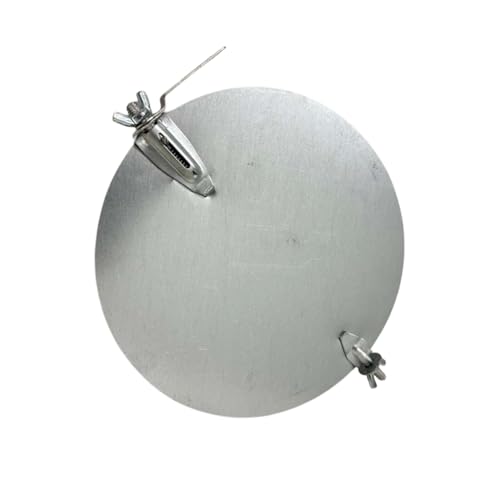
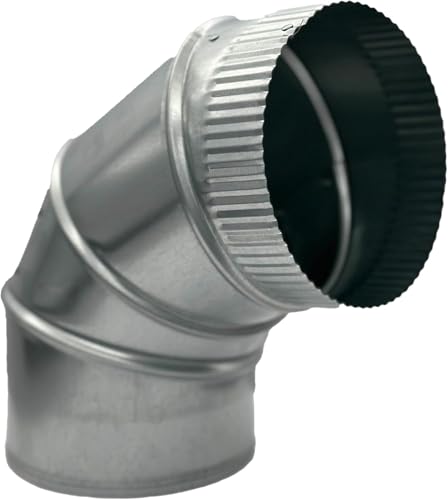
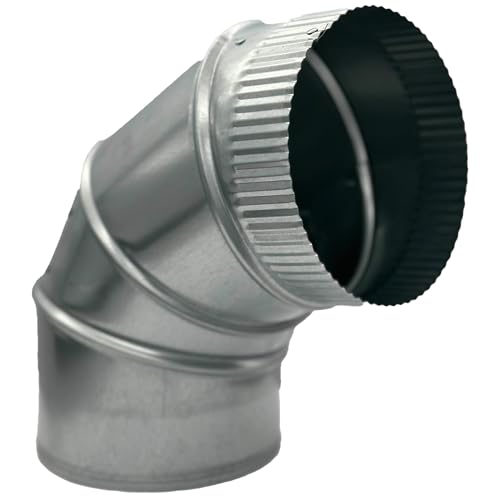
Sheet metal air ducts are the rigid, fabricated channels that carry conditioned air from your furnace, air handler, or central AC unit to the rooms in your home. They are commonly made from galvanized steel, though stainless steel and aluminum variants exist for specialized applications. This guide walks you through everything a homeowner, renovator, or HVAC shopper needs to know before investing in or upgrading a duct system.
In This Guide
Types of Sheet Metal Air Ducts
Sheet metal ductwork is available in several configurations, each suited to different parts of a home or building. Understanding these types helps you communicate clearly with an HVAC contractor and evaluate installation proposals.
Round Sheet Metal Ducts
Round ducts are the most efficient shape for airflow because they minimize friction and turbulence. They are commonly used for main trunk lines and long horizontal runs. Round galvanized steel ducts are available in standard diameters and are often joined with crimped fittings or slip-and-drive connectors.
Rectangular Sheet Metal Ducts
Rectangular ducts are used where space is limited, such as between floor joists or above ceilings. They offer a larger surface area per unit of airflow, which can increase heat loss or gain if not properly insulated. Rectangular ducts are typically fabricated on-site or in a shop from galvanized steel sheets.
Oval Sheet Metal Ducts
Oval ducts combine the space-saving profile of rectangular ducts with some of the aerodynamic benefits of round ducts. They are often used in retrofit projects where a round duct will not fit but airflow efficiency still matters.
Spiral Sheet Metal Ducts
Spiral ducts are made from a continuous strip of galvanized steel formed into a helical tube. They are rigid, smooth inside, and commonly used in commercial-grade and professional-grade installations. If you are exploring commercial duct solutions, the guide on spiral air ducts covers fabrication and application details in more depth.
Materials and Construction
The material choice directly affects durability, corrosion resistance, and long-term performance. The most common options include:
| Material | Tier / Category | Best For |
|---|---|---|
| Galvanized steel | Essential tier / mid-range | Standard residential HVAC systems; durable construction with rust-proof finish |
| Stainless steel | Professional-grade / commercial-grade | High-humidity environments, kitchens, and industrial applications |
| Aluminum | Mid-tier | Lightweight runs where corrosion resistance matters |
| Insulated galvanized steel | High-end tier | Attics, unconditioned spaces, and climate zones with extreme temperatures |
Galvanized steel remains the workhorse material for residential ductwork because it balances durability, cost-effectiveness within its tier, and ease of fabrication. Stainless steel and insulated variants sit at the high-end tier and are chosen when specific environmental or efficiency requirements justify the upgrade.
Duct Sizing and Design
Correct duct sizing is critical. Undersized ducts restrict airflow, raise static pressure, and force your air conditioner or furnace to work harder. Oversized ducts can lead to poor air distribution and excessive energy use. Professional duct design typically follows Manual D guidelines, which factor in room-by-room load calculations, duct length, fitting types, and available static pressure.
If you are still determining the cooling capacity of your system, the article on how to size an air conditioner explains the BTU and load calculation basics. For a broader view of how ductwork integrates with system design, see the ductwork design guide. And if you are comparing ducted versus ductless approaches, the breakdown of ductless vs ducted AC is a useful starting point.
Installation Considerations
Installation quality has as much impact on performance as the material itself. Poorly assembled sheet metal ducts leak conditioned air, create noise, and can even introduce contaminants into the airstream. Key installation considerations include:
- Proper support: Ducts should be supported at regular intervals to prevent sagging and vibration.
- Secure joints: Use mechanical fasteners combined with mastic sealant rather than tape alone.
- Clearance from combustibles: Maintain required clearances around furnaces and flues.
- Access panels: Install access points for cleaning, inspection, and damper adjustment.
- Condensation control: Insulate ducts in unconditioned spaces to prevent sweating and energy loss.
If you are planning a larger HVAC project, reviewing the indoor and outdoor placement guide helps you coordinate duct routing with equipment location. You may also find the ductless mini-split AC guide useful if you are comparing ducted and ductless options for a specific room.
Sealing and Insulation
Leaky ducts are one of the largest sources of energy waste in homes. Sealing sheet metal ducts with mastic, foil-backed tape, and proper gaskets can dramatically improve system efficiency. Insulation is equally important when ducts pass through attics, crawl spaces, or garages.
For a practical walkthrough of sealing techniques, see how to seal air ducts. If your broader goal is reducing monthly energy use, the tips in seal air ducts for efficiency and reduce AC electricity bill provide actionable steps that pair well with a duct upgrade.
Maintenance and Cleaning
Routine maintenance keeps sheet metal ducts performing well over their long service life. Recommended practices include:
- Inspecting accessible duct sections annually for damage, disconnected joints, or moisture.
- Cleaning supply and return grilles regularly to maintain airflow.
- Scheduling professional duct cleaning every few years, or sooner after renovations or pest activity.
- Replacing air filters on a consistent schedule to reduce dust buildup inside the duct system.
These habits tie directly into the seasonal checklist outlined in the seasonal AC checklist. Keeping filters fresh also reduces strain on the blower and supports the efficiency goals described in what is a SEER rating.
Sheet Metal vs Other Duct Types
Sheet metal is not the only option on the market. Flexible ducts are easier to route through tight spaces, and fiberglass duct board offers integrated insulation. However, sheet metal remains the preferred choice for long runs and whole-home systems because of its smooth interior, durability, and cleanability.
| Duct Type | Tier / Category | Best For |
|---|---|---|
| Galvanized sheet metal | Mid-range / durable construction | Whole-home HVAC trunks and long runs |
| Flexible duct | Entry-level / short runs | Final connections to registers in tight spaces |
| Fiberglass duct board | Mid-tier / insulated | Areas where integrated insulation is a priority |
| Spiral sheet metal | Commercial-grade | High-volume commercial and professional-grade systems |
If you are evaluating a mini-split or single-zone system instead, the guides on single-zone mini-split and small air conditioning systems explain when ductwork is not required at all.
Ready to Choose the Right Air Conditioner?
Explore our recommended air conditioners below and match your new duct system with an efficient cooling unit.
VIEW RECOMMENDATIONSFrequently Asked Questions
What are sheet metal air ducts made of?
Sheet metal air ducts are typically made from galvanized steel, stainless steel, or aluminum. Galvanized steel is the most common material because of its durable construction and rust-proof finish, while stainless steel is used for high-humidity or commercial-grade applications.
How long do sheet metal air ducts last?
With proper installation and maintenance, galvanized sheet metal ducts can last 20 to 30 years or more. Stainless steel ducts can last even longer, making them a solid long-term investment for residential and commercial-grade HVAC systems.
Are sheet metal ducts better than flex ducts?
Sheet metal ducts offer superior durability, smoother internal airflow, and easier cleaning compared to flex ducts. Flex ducts are easier to install in tight spaces, but sheet metal is generally preferred for long runs and whole-home HVAC systems where efficiency matters.
How often should air ducts be cleaned?
Most HVAC professionals recommend cleaning sheet metal air ducts every 3 to 5 years, or more frequently if you have pets, allergies, recent renovations, or visible mold growth inside the ductwork.