Sliding Window Kit for Portable Air Conditioner
Everything you need to seal a sliding window, vent your portable AC efficiently, and keep hot outdoor air from sneaking back into the room.
COMPARE KIT TYPESWhy the window kit matters: A portable air conditioner is only as effective as its venting setup. Without a proper sliding window kit, the exhaust hose dumps heat back into the room and the unit runs longer than it should. This guide explains how these kits work, how to size them, and how to pick the right one for your window and portable AC model.
How a Sliding Window Kit Works
A portable air conditioner pulls warm indoor air across an evaporator coil, cools it, and then blows the absorbed heat out through an exhaust hose. That hose has to terminate outside the room. In a sliding window, the open gap is the natural exit point, but leaving the gap uncovered defeats the purpose, because outside heat flows straight back in.
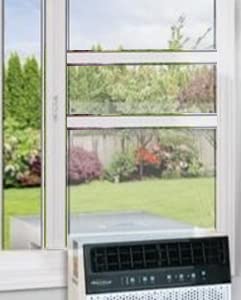
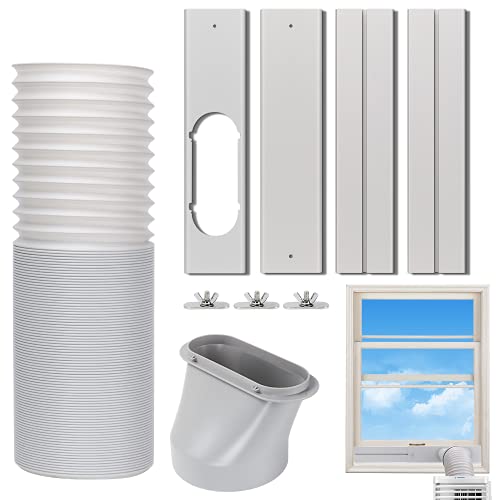
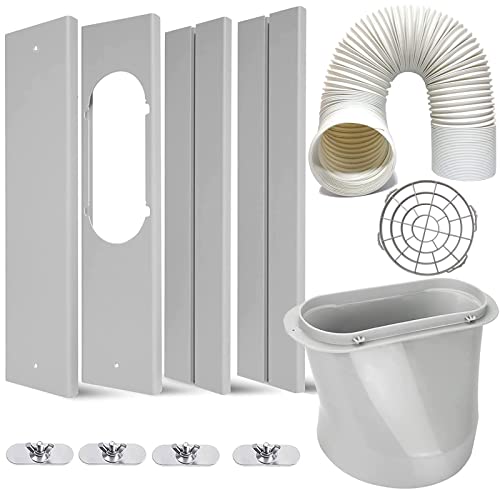
A sliding window kit solves this by creating an adjustable panel that fills the open gap around the hose. The panel locks into the window track, the hose connects through a round or oval adapter, and weather sealing closes any remaining gaps. The result is a controlled vent path: hot air leaves through the hose, and the rest of the window stays sealed.
This is especially important in apartments and older homes where sliding windows are common. If your window configuration is unusual, such as a side-sliding frame, you may also want to review the small air conditioner for a side-sliding window options to understand how different window types affect venting choices.
Types of Sliding Window Kits
Not all kits are interchangeable. The right kit depends on the window orientation, the hose diameter, and how permanent you want the installation to be. Here is how the main kit categories compare.
| Kit Type | Tier | Best For | Key Strengths |
|---|---|---|---|
| Universal Adjustable Panel Kit | Entry-level | Standard horizontal sliding windows | Fits many window widths, simple install, includes hose adapter |
| Vertical Sliding Window Kit | Essential tier | Vertical sliding and sash windows | Rotated panel orientation, fills tall openings cleanly |
| Dual-Hose Window Kit | Mid-range | Dual-hose portable AC models | Separate intake and exhaust, better sealing, more stable airflow |
| Insulated Sealing Kit | Balanced tier | Hot climates and long cooling seasons | Foam or insulated panels, tighter weather seal, less heat transfer |
| Heavy-Duty Bracket Kit | Top-tier | Large windows and permanent setups | Reinforced frame, secure track lock, durable construction |
Universal Adjustable Panel Kits
These are the most common kits and the usual starting point for most households. The panels slide against each other to cover the open window gap, and a round adapter accepts the exhaust hose. A universal kit is a solid choice for the tier when your window opening falls within the typical adjustable range. If you are also setting up a smaller cooling unit, the small energy efficient portable air conditioner options often include or recommend a compatible universal kit.
Vertical Sliding Window Kits
Vertical windows need a kit that can be rotated or that is purpose-built for tall openings. A vertical kit fills the height gap rather than the width gap, so the hose adapter sits at a practical height for the portable unit. Check that the panel height range covers your opening before ordering.
Dual-Hose Kits
Dual-hose portable AC units pull in outside air for condenser cooling and exhaust hot air separately. A dual-hose kit provides two ports in the window panel. This configuration seals better and is competitive within its class for efficiency, especially in hot climates. If you own a dual-hose unit, the smallest dual-hose portable air conditioner guide can help you confirm the hose diameter before buying a kit.
Insulated and Heavy-Duty Kits
Insulated kits use foam or double-wall panels to reduce heat transfer through the window opening. Heavy-duty bracket kits add a reinforced frame and a more secure track lock, which matters for larger windows and long-term installations. These are feature-rich for their class and a worthwhile investment when the unit runs for many hours per day.
How to Measure Your Window for a Kit
Sizing mistakes are the most common reason a kit does not seal properly. Measure carefully before ordering, and write down each number so you can compare it against the kit specifications.
- Measure the open gap width. Slide the window open to the position you will use for venting, then measure the width of the opening from frame to frame.
- Measure the open gap height. For vertical windows, measure the height of the opening. For horizontal windows, measure the height of the track area the panel will sit in.
- Measure the window track depth. The panel needs to sit inside the track. A track that is too shallow may not hold the panel securely.
- Measure the hose diameter. Portable AC exhaust hoses are commonly 5 inches or 6 inches in diameter, but confirm your unit's size. The kit adapter must match.
- Check the adjustable range. Compare your gap measurements to the kit's stated minimum and maximum panel range. Stay within the range rather than at the extreme edge.
If your window is a slider or casement type rather than a standard sliding window, review the slider casement window air conditioner 5000 BTU guide for window-specific considerations before committing to a kit.
Features That Make a Difference
Adjustable Panel Range
A wider adjustment range gives you more flexibility if you move the unit between windows. Stay within the rated range for a secure fit.
Hose Adapter Compatibility
The adapter must match your hose diameter and connector style. Some kits include multiple adapters for different unit brands.
Weather Sealing
Foam strips, rubber gaskets, and sealing tape close small gaps. Good sealing keeps hot air out and reduces strain on the unit.
Panel Material
Thicker panels resist flexing and seal better. Insulated panels reduce heat transfer through the window opening.
Track Locking
A locking mechanism or tension fit keeps the panel from shifting when the hose moves or the window is bumped.
Tool-Free Installation
Most kits assemble without tools, which matters if you plan to remove the setup seasonally or move it between rooms.
Step-by-Step Installation Tips
A careful installation takes only a few minutes longer than a rushed one, but it seals far better. Follow these steps for a clean setup.
- Clean the window track and frame so the panel and sealing strips can sit flush.
- Assemble the panel to the width or height of your opening, staying within the rated range.
- Slide the panel into the window track and close the window against it so the panel is held in place.
- Attach the hose adapter to the panel and confirm the exhaust hose locks in securely.
- Apply foam or weather sealing around the edges and any remaining gaps.
- Connect the hose to the portable AC unit and check that the connection is tight.
- Run the unit and check for air leaks around the panel. Seal any gaps you find.
Common Mistakes to Avoid
- Ordering a kit without measuring the open window gap first.
- Mismatching the hose adapter to the portable AC hose diameter.
- Leaving gaps unsealed, which lets hot air back into the room.
- Extending the panel beyond its rated range, which weakens the fit.
- Forgetting to lock the panel in the track so it shifts when the hose moves.
- Using a horizontal kit in a vertical window without checking orientation.
Maintaining Your Window Kit
Window kits are simple hardware, but a little maintenance keeps them sealing well across seasons.
- Inspect foam strips and sealing tape each season and replace worn pieces.
- Wipe dust from the panels and adapter so the hose connection stays clean.
- Check that the panel has not shifted in the track after strong wind or window use.
- Store panels flat during the off-season to prevent warping.
- Confirm the hose connector is still tight before each cooling season.
If you are also setting up a smaller unit in a bedroom, the small air conditioners for bedrooms guide pairs well with this one, since bedroom windows often need a kit that seals quietly and securely.
Matching the Kit Tier to Your Setup
Entry-Level and Essential Tier Kits
A universal adjustable panel kit is a solid choice for the tier for standard sliding windows and occasional use. It covers the basics: a panel, a hose adapter, and simple sealing.
Mid-Range and Balanced Tier Kits
Dual-hose and insulated kits are competitive within their class when efficiency and sealing matter. They suit homes that run portable AC for long hours or in hot climates.
Top-Tier and Heavy-Duty Kits
Heavy-duty bracket kits are feature-rich for their class and a good fit for large windows, permanent setups, or shared spaces where the panel will be handled often.
Ready to Seal Your Sliding Window?
Browse the recommended sliding window kits and portable air conditioners below to complete your venting setup.
VIEW RECOMMENDED KITSFrequently Asked Questions
What is a sliding window kit for a portable air conditioner?
A sliding window kit is a sealing panel system that fills the open gap of a sliding or casement window so a portable air conditioner exhaust hose can vent outside without letting hot air back in. It typically includes adjustable panels, a hose adapter, and weather sealing.
How do I measure my sliding window for a portable AC kit?
Measure the width and height of the open window gap, then choose a kit whose adjustable panel range covers that opening. Also measure the window track depth and confirm the hose diameter matches the kit adapter.
Can I use a portable AC in a vertical sliding window?
Yes. Vertical sliding windows need a kit designed for vertical orientation or a universal kit that can be rotated. Check that the panel height range matches the window opening.
Do I need a dual-hose kit or a single-hose kit?
Single-hose kits are the most common and fit most portable AC units. Dual-hose kits are used with dual-hose portable AC models and generally seal better because they separate intake and exhaust airflow. Match the kit to your unit's hose configuration.