Small Air Conditioners for Bedrooms
Find the right cooling solution for your bedroom, from sizing and noise levels to the best small AC types for restful sleep.
COMPARE BEDROOM AC OPTIONSWhy bedroom cooling needs a different approach: A bedroom is a sleeping space, so noise, airflow direction, and temperature stability matter more than raw cooling power. This guide walks you through small air conditioners for bedrooms, helping you pick a unit that cools quietly, fits the room, and runs efficiently through the night.
Why Bedroom AC Choices Are Different
Choosing an air conditioner for a bedroom is not the same as choosing one for a living room. Bedrooms are usually smaller, occupied for long uninterrupted hours, and sensitive to noise. A unit that is acceptable in a shared space can be disruptive in a bedroom if the fan rattles or the compressor cycles loudly at night.
Sleep quality depends on stable temperature and low noise. The ideal bedroom unit cools gently, holds the set temperature, and runs quietly enough that you can fall asleep without noticing it. That is why small air conditioners for bedrooms should be evaluated on noise, sizing accuracy, and airflow control, not just cooling capacity.
If your bedroom is especially small, the options narrow further. The small air conditioners for small rooms guide covers the most compact setups, while this page focuses on the bedroom-specific concerns of comfort and quiet operation.
Types of Small AC Units for Bedrooms
Each small AC type has trade-offs between installation effort, noise, and flexibility. Here is how the main options compare for bedroom use.
| AC Type | Tier | Best For | Key Strengths |
|---|---|---|---|
| Window AC | Entry-level | Standard bedrooms with double-hung windows | Direct cooling, simple install, easy to service |
| Portable AC | Essential tier | Bedrooms without suitable window mounting | Movable, no permanent installation, flexible placement |
| Mini-Split AC | Premium | Bedrooms where quiet is the top priority | Very quiet, high efficiency, discreet wall mounting |
| Through-the-Wall AC | Mid-range | Bedrooms with a dedicated wall sleeve | Cleaner look, secure install, no window obstruction |
| Wall-Mounted AC and Heater | Balanced tier | Bedrooms needing year-round comfort | Cooling plus heating, space-saving wall placement |
Window AC for Bedrooms
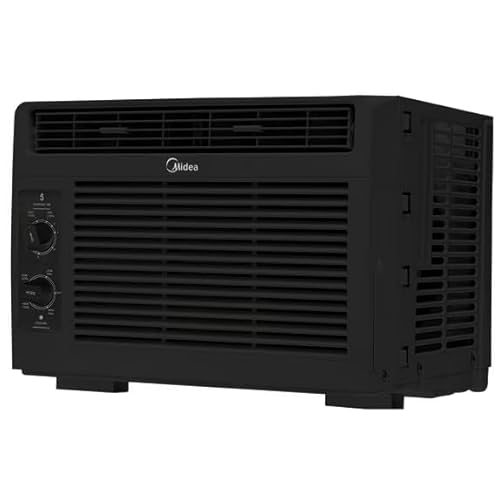
Window units remain the most common entry-level choice for bedrooms. They install in a double-hung window and cool the room directly. For smaller bedrooms, a small room air conditioner window unit fits neatly and keeps installation simple. If quiet is a priority, look for inverter models and sound ratings below 50 dB on low speed.
Portable AC for Bedrooms
Portable units are the right fit when a window cannot hold a window unit, or when the bedroom layout changes often. A small portable air conditioner for a small room is a practical option. Keep in mind that portable units are generally louder than window units, so place the unit as far from the bed as practical and use a proper window kit to seal the exhaust.
Mini-Split for the Quietest Bedroom
A single-zone mini-split is the quietest option for a bedroom because the compressor is mounted outdoors. The indoor head runs very quietly, which makes it ideal for light sleepers. For very small bedrooms, a smallest mini-split system keeps the installation compact. This is a premium tier choice and a worthwhile investment for long-term bedroom comfort.
Wall-Mounted AC and Heater Combinations
If your bedroom needs both cooling and heating, a small wall-mounted air conditioner and heater combines both functions in one wall unit. This is a balanced tier option that saves floor and window space.
How to Size a Small AC for a Bedroom
Oversizing a bedroom unit is a common mistake. An oversized unit cools the air quickly but does not run long enough to remove humidity, leaving the room feeling cold and clammy. Undersizing is just as bad, because the unit runs constantly and never quite reaches the set temperature.
As a starting point, a bedroom up to 150 square feet typically works with a 5,000 to 6,000 BTU unit. The room size that fits a 5,000 BTU air conditioner guide gives a useful baseline. Bedrooms between 150 and 250 square feet usually need 8,000 to 10,000 BTU. Larger bedrooms between 250 and 400 square feet generally require 12,000 to 14,000 BTU.
Adjust upward for south-facing windows, high ceilings, or bedrooms that receive direct afternoon sun. Adjust downward for shaded rooms and well-insulated walls. If the bedroom is a small guest or spare room, the single room air conditioning for guest accommodation guide provides sizing context for similar spaces.
Noise Levels That Matter at Night
Noise is the number one reason people regret their bedroom AC choice. A unit that sounds fine during the day can become irritating at night when the house is quiet. Pay attention to the sound rating on the lowest fan speed, not just the highest.
As a general reference, units rated around 50 dB on low speed are acceptable for many bedrooms, while units below 45 dB are noticeably quieter. Mini-splits typically run far quieter than window or portable units. If quiet operation is non-negotiable, a mini-split is the strongest choice for the bedroom.
Features That Improve Bedroom Comfort
Sleep Mode
Sleep mode gradually raises the temperature and lowers fan speed through the night, which matches natural body temperature cycles.
Programmable Thermostat
A small air conditioner with thermostat keeps temperatures stable and avoids hot-then-cold cycling that wakes light sleepers.
Remote and Smart Control
A small window air conditioner with remote control lets you adjust settings without getting out of bed. A smart air conditioner adds scheduling and app control.
Adjustable Airflow
Adjustable louvers let you direct cool air away from the bed so you are not sleeping directly in a cold draft.
Energy Efficiency
An ENERGY STAR small window air conditioner is a sensible baseline for efficient nightly operation.
Humidity Control
Properly sized units remove moisture as they cool. Inverter models and accurate sizing perform better on humidity than oversized entry-level units.
Window and Space Constraints
Bedroom windows come in many shapes and sizes, and the window type often determines which AC type is practical. If the bedroom has a side-sliding window, a small air conditioner for a side-sliding window is the correct fit. If the window is narrow, a compact 12-inch-wide window unit can fit where larger models will not.
For bedrooms without a usable window at all, a small AC unit that doesn't need a window is the practical path. If you want a low-profile installation, a slim window air conditioning unit keeps the window view less obstructed.
Common Mistakes to Avoid
- Oversizing the unit to cool the room faster, which leaves humidity too high.
- Ignoring the noise rating on the lowest fan speed.
- Placing the unit so cold air blows directly onto the bed.
- Skipping window sealing, which lets in outside noise and hot air.
- Choosing a portable unit without checking whether it will fit the window.
- Neglecting filter cleaning, which reduces airflow and increases noise over time.
Keeping a Bedroom AC in Good Shape
Bedroom AC units run for long stretches, so maintenance matters more than in a room that is cooled occasionally.
- Clean or replace the air filter every two to four weeks during peak season.
- Wipe the indoor grille and check for dust buildup monthly.
- Inspect the window seal or window kit for gaps at the start of the season.
- Check the condensate drain for clogs, especially in humid months.
- Schedule a professional service once per year for deeper coil cleaning.
If you want more control over schedules and setbacks, a smart thermostat for air conditioner systems can help manage nightly operation and reduce strain on the unit.
Matching the AC Tier to Your Bedroom
Entry-Level Bedroom Setups
A standard window unit is a solid choice for the tier for basic bedroom cooling. It is easy to install, easy to service, and familiar to use. Pair it with a clean filter routine and proper window sealing.
Mid-Range Bedroom Setups
Inverter window units and well-specified portable units are competitive within their class when noise and efficiency matter. Quieter operation and better humidity control justify the upgrade.
Premium Bedroom Setups
A mini-split system is feature-rich for its class and the best fit for light sleepers and long nightly use. The quiet indoor operation and efficient performance support the kind of consistent comfort a bedroom needs.
Ready to Choose a Bedroom AC?
Browse the recommended small air conditioners for bedrooms below and match the right unit to your room size and noise preferences.
VIEW RECOMMENDED UNITSFrequently Asked Questions
What size air conditioner do I need for a bedroom?
A bedroom up to 150 square feet typically works with a 5,000 to 6,000 BTU unit. Rooms between 150 and 250 square feet usually need 8,000 to 10,000 BTU. Larger bedrooms between 250 and 400 square feet generally require 12,000 to 14,000 BTU. Adjust upward for sun exposure and high ceilings.
Which type of AC is quietest for a bedroom?
Mini-split systems are the quietest option because the compressor sits outdoors. Among window units, inverter models and units rated below 50 dB on low speed are the quietest choices for a bedroom.
Can I use a portable air conditioner in a bedroom?
Yes. A portable air conditioner is a practical choice for a bedroom when window installation is not possible. Choose a small lightweight portable unit, seal the window kit properly, and keep the unit away from the bed to reduce noise and airflow discomfort.
Is a window AC safe for a bedroom?
Yes, provided it is installed correctly. Confirm the unit is properly supported, the window is secured, and the electrical circuit can handle the load. Follow the manufacturer's installation instructions and avoid sharing the circuit with other high-draw appliances.