
Summer Heating and Cooling: Your Complete Guide
Everything you need to know about keeping your home comfortable during the hottest months — from sizing and efficiency to maintenance and smart product choices.
EXPLORE THE GUIDEWhy This Guide Matters: Summer places the heaviest demand on your cooling system. Understanding how to size, operate, and maintain your air conditioner during peak season can dramatically improve comfort, extend equipment lifespan, and reduce energy consumption. This guide walks you through every decision point before you buy.
Understanding Summer Cooling Demands
Summer heat challenges your home's cooling system in ways that milder seasons do not. Prolonged high temperatures, intense solar gain through windows, and higher indoor humidity all combine to increase the workload on your air conditioner. Before choosing any equipment, it helps to understand the three core forces driving summer cooling demand.
- Temperature differential: The gap between outdoor and indoor temperatures determines how hard your AC must work. A larger differential means more runtime and greater energy draw.
- Solar heat gain: Windows facing the sun can add significant heat. Proper shading, window films, and insulated curtains reduce this load considerably.
- Internal humidity: Humid air feels warmer and forces your AC to remove moisture before the space feels comfortable. A correctly sized unit with a good latent capacity handles this best.
Understanding these factors helps you avoid the common mistake of buying an oversized unit that short-cycles and fails to dehumidify properly. If you want a deeper dive into proper equipment sizing, explore our detailed guidance on how to size an air conditioner before making a final decision.
Common Summer AC Types at a Glance
Central Air Conditioning
Whole-home comfort through ductwork. Ideal for larger homes with existing ducts. Highest upfront investment but delivers consistent, uniform cooling across every room.
Ductless Mini-Split
Zoned cooling without ducts. Perfect for additions, older homes, or rooms that central systems struggle to reach. Highly efficient and quiet in operation.
Window Air Conditioners
Room-specific cooling with straightforward installation. A solid entry-level option for apartments and single rooms where ductwork is not feasible.
Portable Air Conditioners
Flexible, roll-anywhere cooling. Best for renters or temporary setups. Dual-hose models deliver noticeably better performance than single-hose designs.
Efficiency Ratings That Matter in Summer
Efficiency ratings directly influence how much electricity your system consumes during the cooling season. Two metrics dominate the conversation: SEER2 (Seasonal Energy Efficiency Ratio) and EER2 (Energy Efficiency Ratio). SEER2 measures seasonal performance, while EER2 reflects performance at peak temperature — which is exactly when summer heat is at its worst.
In the United States, the Department of Energy updated minimum efficiency standards in 2023, introducing SEER2 and EER2 thresholds that vary by region. Northern states have slightly lower minimums, while southern and southwestern states face stricter requirements because of their longer cooling seasons.
- Entry-level tier: Meets minimum SEER2 standards. Suitable for mild climates or budget-conscious buyers who prioritize simplicity.
- Mid-range tier: Typically features single-stage or two-stage compressors with improved insulation and quieter operation. A balanced choice for most households.
- High-end tier: Variable-speed inverter compressors, advanced humidity control, and smart thermostat compatibility. Delivers the best long-term efficiency during peak summer.
- Premium / flagship tier: Top-of-category efficiency, premium materials, extended warranties, and the quietest operation available.
For a thorough explanation of how SEER works and what the updated standards mean, read our full breakdown of SEER ratings. If you are weighing the difference between the older and newer standards, our comparison of SEER vs SEER2 DOE standards clarifies the transition.
Choosing the Right Cooling Capacity for Summer
Capacity is measured in British Thermal Units (BTU). An undersized unit runs continuously and never fully cools the space; an oversized unit cools too quickly, cycles on and off, and leaves humidity behind. Both scenarios waste energy and shorten equipment life.
As a starting reference, the table below maps typical room sizes to common BTU ranges. These are general guidelines — factors like ceiling height, window area, occupancy, and climate will shift the ideal number.
| Room Size | Typical BTU Range | Best For |
|---|---|---|
| Up to 150 sq ft | 5,000 – 6,000 BTU | Small bedrooms, home offices, studio apartments |
| 150 – 250 sq ft | 8,000 – 10,000 BTU | Standard bedrooms, small living rooms |
| 250 – 400 sq ft | 12,000 – 14,000 BTU | Large bedrooms, open living areas |
| 400 – 600 sq ft | 18,000 – 24,000 BTU | Open-plan living and dining, small apartments |
| 600 – 1,000 sq ft | 30,000 – 36,000 BTU | Whole apartments, small homes |
| 1,000+ sq ft | 42,000 – 60,000+ BTU | Large homes, multi-zone systems |
For a more precise calculation tailored to your specific room dimensions, use our BTU calculator by room size. If you are concerned about the consequences of selecting the wrong size, our article on what happens if your AC is too big or too small explains the risks in detail.
Summer Maintenance Checklist for Peak Performance
A well-maintained air conditioner performs better, lasts longer, and consumes less energy. The following tasks should be completed before the cooling season begins and revisited throughout the summer months.
- Replace or clean air filters: Dirty filters restrict airflow and force the system to work harder. Check monthly during heavy use and replace when visibly soiled. Our guide on when to replace your AC filter provides a practical schedule.
- Clean the outdoor condenser: Remove leaves, grass clippings, and debris from around the unit. Maintain at least two feet of clearance on all sides for proper airflow.
- Check refrigerant lines: Insulation on refrigerant lines can crack or degrade over time. Damaged insulation reduces efficiency. Refrigerant handling itself should always be left to licensed technicians.
- Inspect and clean evaporator coils: Dust and grime build up on indoor coils and reduce heat transfer. Annual professional cleaning is recommended for central systems.
- Verify thermostat operation: Test your thermostat before the first heat wave. If it is unresponsive, our troubleshooting guide on thermostat blank and AC not working covers common causes.
- Clear condensate drain: Algae and debris can clog the drain line, leading to water leaks. Flush the line with a mixture of water and distilled vinegar.
For a broader seasonal checklist covering both heating and cooling transitions, see our seasonal AC checklist.
Smart Operating Strategies for Summer Comfort
How you operate your system matters as much as which system you choose. These strategies help you stay comfortable without overworking your equipment.
- Set the thermostat wisely: The Department of Energy recommends approximately 78°F while at home in summer. Each degree above that can improve efficiency without a noticeable comfort loss.
- Use programmable or smart thermostats: Automate temperature setbacks for when you are asleep or away. Smart thermostats learn your schedule and adjust automatically. Our guide on how to use a programmable thermostat walks through setup and best practices.
- Combine fans with AC: Ceiling fans and portable fans circulate cool air and allow you to raise the thermostat a few degrees while maintaining comfort. Learn how to use a ceiling fan with AC effectively.
- Seal and insulate ducts: Leaky ducts can lose a significant portion of cooled air before it reaches your rooms. Sealing ductwork is one of the highest-impact efficiency improvements you can make. Our guide on sealing air ducts covers the process.
- Block solar heat gain: Close blinds on sun-facing windows during the hottest part of the day. Exterior shading devices are even more effective than interior curtains.
- Avoid heat-generating activities during peak hours: Run the oven, dishwasher, and dryer in the morning or evening when outdoor temperatures are lower.
Recommended Equipment for Summer Heating and Cooling
Below is a selection of air conditioning products suited to summer cooling needs, organized by tier and intended use. These recommendations focus on features, build quality, and suitability for different room sizes and installation scenarios. Use the product cards below to explore options and check availability.
Top Air Conditioners for Summer Cooling
⚠️ AFFILIATE DISCLOSURE: This website contains affiliate links. As an Amazon Associate, we earn from qualifying purchases. If you make a purchase through these links, we may receive a small commission at no additional cost to you. Read our full affiliate policy.

inhand Cooling Blanket Queen Size for Hot Sleepers (90"x90", Gray) | Absorbs Heat to Keep Adults Cool For Summer Nights Sweats, Thin Cold Lightweight Blanket for Couch Bed
Check price on Amazon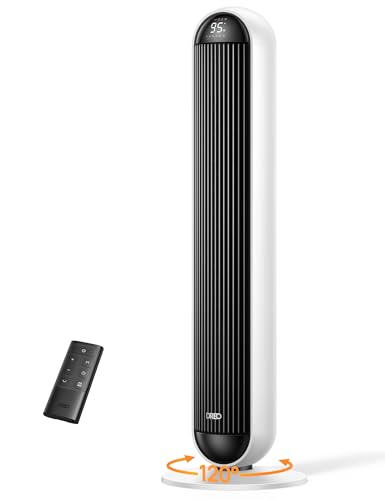
DREO 42" Space Heater Large Room, 25dB Heater and Fan Combo with Remote | 17 Levels, 6 Modes, 120° Oscillation, 12H Timer, 8 Safety Protections, 29.2ft/s Standing Fans for Bedroom and Office, White
Check price on Amazon
Cooling Neck Wrap for Summer Heat Relief, Wearable Ice Neck Cooling Tube with Quick Freeze Gel, Reusable Hands-Free Cold Band Lasts Up to 5 Hours for Outdoor, Yardwork, Workouts
Check price on Amazon
Portable 12V 150W Car Cooler Heater Fan, Plug-in Cigarette Lighter 2-in-1 Cooling & Heating Auto Fan, Summer Rapid Vehicle Interior Cool Down, Winter Windshield Defroster Defogger
Check price on Amazon
Cool Ice Silk Pineapple King Hugging Pillow, Summer Sleep Patting Pillow, 3‑Level Heating & Patting, Built‑in Music & Voice Recording, Removable Washable, Cool Companion for Home Sleep,Pineapple2
Check price on Amazon
Neck Cooling Tube Wraps Ice Ring Neck Cooler Personal Ice Pack Wrap for Hot Weather Gel Reusable Wearable Gel Cooling for Summer Heat Hot Flashes Freezer Below 64.4℉
Check price on Amazon
2 in 1 Heater and Fan Combo, Portable Heating and Cooling Fan, Personal Air Calculator Fan with 45° Adjustable, 2 Wind Speeds & Overheat Protection, 1500 & 750W Space Heater for Indoor Use Home Office
Check price on AmazonWhen evaluating options, consider the following tier descriptors as a guide to relative market positioning:
- Entry-level tier: Straightforward cooling for a single room, basic controls, and essential features. A good fit for occasional use or secondary spaces.
- Mid-range tier: Improved efficiency, quieter operation, and features such as remote control, programmable timers, and better filtration.
- High-end tier: Inverter compressors, smart connectivity, advanced humidity control, and premium build materials. Best for primary living spaces used daily throughout summer.
- Flagship tier: Maximum efficiency ratings, whisper-quiet operation, and the most advanced controls available. An excellent long-term investment for households that prioritize comfort and efficiency.
For room-specific recommendations, explore our guides on the top-rated 8,000 BTU portable air conditioner and the top-rated 10,000 BTU window air conditioner. If you are cooling a larger space, the top-rated 14,000 BTU portable air conditioner may be worth reviewing.
Troubleshooting Common Summer Cooling Problems
Summer heat exposes weak points in any cooling system. Recognizing the symptoms early can save you from a mid-summer breakdown or a costly emergency service visit.
AC Not Cooling
Often caused by dirty filters, low refrigerant, or a failing compressor. Start with filter replacement and thermostat checks before calling a technician. See our guide on AC not cooling solutions.
AC Leaking Water
A clogged condensate drain is the most common cause. A frozen evaporator coil or improper installation can also lead to water issues. Read our article on AC leaking water solutions.
AC Blowing Warm Air
Check the thermostat mode, circuit breaker, and air filter first. If the outdoor unit is not running, the compressor or capacitor may need professional attention. See our guide on AC blowing warm air.
AC Making Noise
Rattling, squealing, or grinding sounds indicate loose components, worn bearings, or debris in the unit. Prompt attention prevents further damage. Read our article on AC making noise solutions.
AC Frozen Coils
Restricted airflow or low refrigerant can cause the evaporator coil to freeze. Turn the system off and let it thaw before investigating. Our guide on AC frozen coils explains the steps.
Thermostat Not Cooling
If the thermostat is set to cool but the system is not responding, check batteries, wiring, and breaker status. See our troubleshooting guide on thermostat set to cool but not cooling.
If you have exhausted basic troubleshooting and the problem persists, it may be time to call a licensed HVAC technician. Our article on when to call an HVAC technician outlines the signs that professional service is necessary.
Long-Term Planning for Summer Comfort
If your current system is aging or struggling to keep up, summer is the season when its limitations become most apparent. Consider these factors when planning a replacement or upgrade.
- Age of the system: Most air conditioners have a useful life of 12 to 15 years. If your unit is approaching that range and requires frequent repairs, replacement may be the more efficient long-term investment.
- Repair vs replacement: Our guide on AC replace or repair breaks down the decision criteria, including the 5,000 rule and efficiency considerations.
- Efficiency upgrades: Moving from an entry-level single-stage system to a high-end inverter system can reduce summer energy consumption substantially. Explore the most energy efficient AC options.
- Zoning considerations: Multi-zone systems allow independent temperature control for different areas of the home, which is especially valuable in summer when unused rooms do not need full cooling. Learn about HVAC zoning systems.
Frequently Asked Questions
What is the ideal temperature setting for summer cooling?
The U.S. Department of Energy recommends setting your thermostat to around 78°F (26°C) while you are at home during summer. Raising it a few degrees while sleeping or away can further improve efficiency without compromising comfort.
How often should I service my AC before summer?
Schedule a professional HVAC tune-up once a year, ideally in spring before the cooling season begins. Replace or clean air filters every one to three months depending on usage and household conditions.
Does a higher SEER rating really matter for summer cooling?
Yes. Higher SEER and SEER2 ratings indicate greater energy efficiency. While a top-tier system may require a larger upfront investment, it typically consumes less electricity across the cooling season and delivers better long-term efficiency.
Can I cool my home without central air conditioning?
Absolutely. Mini-split systems, window units, and portable air conditioners can effectively cool individual rooms or zones. Many homeowners combine these solutions with ceiling fans and strategic shading for whole-home comfort without ductwork.
What maintenance tasks should I handle myself in summer?
You can safely clean or replace air filters, clear debris around the outdoor condenser, straighten bent fins, and keep vents unobstructed. Refrigerant handling and electrical work should always be left to licensed professionals.
Ready to Choose the Right System for Summer?
You now have a complete framework for understanding summer heating and cooling — from sizing and efficiency ratings to maintenance and troubleshooting. Use the product recommendations above to compare options, or continue exploring our guides for deeper dives into specific topics.
EXPLORE RECOMMENDED PRODUCTSFinal Note: Summer comfort is the result of informed decisions made before the heat arrives. Whether you are upgrading to an inverter mini-split, adding a window unit to a bedroom, or simply maintaining your existing central system, the principles in this guide apply. Learn first, understand your needs, then choose the right product.