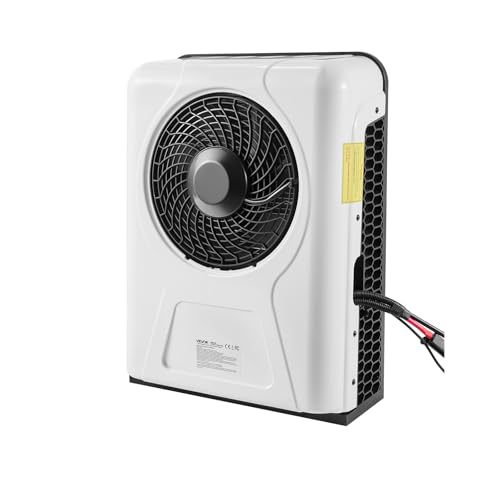
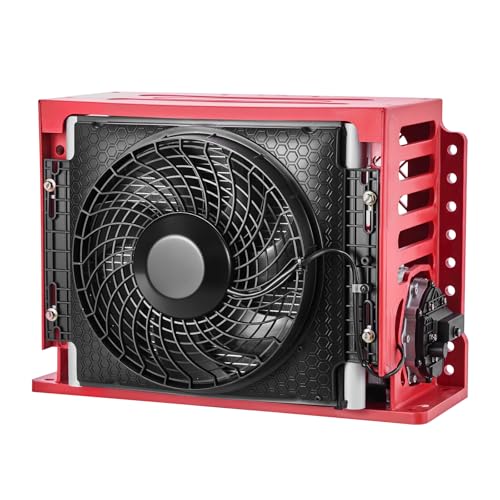
Truck Air Conditioner: Complete Guide for Cab Cooling
Everything you need to know about truck air conditioners — how they work, the types available, sizing, installation, and maintenance for long-haul comfort and rest periods.
Start ReadingQuick summary: A truck air conditioner cools the cab and sleeper of a commercial truck, keeping drivers comfortable during long hauls and mandated rest periods. Options range from engine-driven factory systems to standalone APUs and battery-powered electric units. This guide covers types, sizing, installation, maintenance, and how to choose the right setup for your rig.
What Is a Truck Air Conditioner?
A truck air conditioner is a cooling system engineered specifically for commercial trucks — semi-tractors, box trucks, and heavy-duty pickups. Unlike passenger-car AC systems, truck units must handle larger cab volumes, higher heat loads from large windshields and engine compartments, and the challenge of maintaining comfort during rest periods without idling the main engine.
Modern truck AC systems fall into two broad categories: factory-integrated systems that share the truck's engine-driven compressor, and auxiliary systems that cool the cab independently. Auxiliary systems are particularly valued in jurisdictions with anti-idling regulations and among fleets seeking to reduce fuel consumption.
Understanding the configuration options helps you match the system to your driving patterns, climate, and regulatory requirements. For broader context on how split-style systems work, see our guide to split air conditioning.
How Truck Air Conditioners Work
Regardless of configuration, truck AC systems rely on the same refrigeration cycle found in residential and automotive cooling:
- Evaporation: Refrigerant absorbs heat from cab air at the evaporator coil.
- Compression: The compressor raises refrigerant pressure and temperature.
- Condensation: The condenser coil releases heat to outside air.
- Expansion: The refrigerant passes through an expansion device, dropping in pressure and temperature before returning to the evaporator.
The key difference in trucks is the power source. Engine-driven systems use a belt-driven compressor connected to the main engine. Auxiliary systems use a dedicated small engine, battery bank, or shore power connection to drive the compressor independently. Some electric units use DC compressors that draw directly from a battery bank or APU.
For a deeper explanation of the underlying cycle, see our article on split type air conditioner.
Types of Truck Air Conditioners
Truck AC systems come in several configurations. The right choice depends on how you use the truck, your climate, and whether anti-idling compliance matters for your operation.
Factory Engine-Driven AC
Integrated with the truck's engine and belt system. Operates only when the engine runs. Standard on most new trucks.
Auxiliary Power Unit (APU)
A small dedicated engine that powers cooling, heating, and electrical loads during rest periods without idling the main engine.
Battery-Powered Electric AC
Runs on a battery bank charged by the alternator or shore power. Quiet operation and zero idle-time fuel use.
Shore-Power AC
Plugs into shore power at truck stops and terminals. Practical for scheduled rest stops with hookups.
Factory Engine-Driven Systems
These are the standard AC systems installed by the manufacturer. They perform well while the truck is running but are unavailable during idling restrictions. Many drivers use them as the primary cooling source during driving hours and rely on an auxiliary system for rest periods.
Auxiliary Power Units
An APU is a compact engine mounted on the truck frame that provides cooling, heating, and 12V power. It is the most common solution for overnight cab comfort in regions with anti-idling regulations. For more on how cooling systems integrate into vehicles, see our guide to split system heating and cooling units.
Battery-Powered Electric Truck AC
Battery-electric systems draw from a dedicated battery bank and use a DC compressor. They are silent, emit no exhaust, and require no fuel. Capacity and runtime depend on the battery bank size and the efficiency of the compressor. These systems are a strong fit for fleets focused on sustainability and idle-reduction compliance.
Shore-Power and Hybrid Configurations
Some trucks combine shore-power connections with small battery banks. This setup lets drivers cool the cab silently at truck stops with electrical hookups while still benefiting from battery backup when hookups are unavailable.
Sizing a Truck Air Conditioner
Correct sizing matters as much in trucks as it does in homes. An undersized unit cannot keep up with the heat load during peak summer conditions, while an oversized unit cycles rapidly, struggles with humidity control, and wears components prematurely.
Factors that influence capacity requirements include:
- Cab and sleeper volume: Larger sleepers with separated sleeping areas require more capacity.
- Glazing area: Large windshields and side windows increase heat gain significantly.
- Insulation: Sleeper insulation quality varies; older or lightly insulated sleepers need more cooling.
- Climate: Peak summer temperatures and sun exposure drive load.
- Occupancy: Two drivers in the cab increase sensible and latent load.
Because truck cabs are compact and have unusually high glazing relative to volume, sizing recommendations from residential air conditioning do not translate directly. Work with the APU manufacturer or your truck dealer to confirm capacity for your specific configuration.
Truck AC Comparison at a Glance
| Configuration | Best For | Tier Positioning | Key Consideration |
|---|---|---|---|
| Factory Engine-Driven AC | Driving hours, standard cab cooling | Standard tier | Unavailable during anti-idle periods |
| Auxiliary Power Unit | Overnight rest, long-haul comfort | Mid-range to premium | Added maintenance for small engine |
| Battery-Powered Electric AC | Fleets focused on idle reduction | Mid-range to high-end tier | Battery bank capacity and runtime |
| Shore-Power AC | Scheduled rest stops with hookups | Entry-level to mid-range | Depends on hookup availability |
Tier descriptors reflect relative market positioning, not absolute quality. System choice should be guided by driving patterns, climate, and compliance needs.
Installation Considerations
Installation is a specialized task. Unlike a residential split system, a truck AC must be integrated with the vehicle's electrical system, mount securely against vibration, and withstand constant motion and temperature swings.
Key installation points to verify with your installer:
- Mounting: The condenser and compressor must be secured with vibration-resistant hardware. Frame-mounted APUs require proper brackets and clearance.
- Electrical integration: Battery, alternator, and charging system must support the additional load without compromising the truck's starting capability.
- Refrigerant lines: Lines must be routed away from heat sources and secured against chafing.
- Cab penetration: Any penetration through the cab must be sealed against water and air intrusion.
- Controls: Thermostat and controls should be easily accessible from the driver's seat or sleeper.
For context on how similar systems are installed in stationary applications, see split system air conditioner and installation. Much of the same attention to vacuum, charge, and commissioning applies.
Maintenance for Long-Term Reliability
Truck AC systems operate in demanding conditions. A consistent maintenance routine reduces roadside breakdowns and extends component life.
- Filters: Clean or replace cab air filters every one to three months in dusty environments.
- Condenser coil: Keep the condenser clean and unobstructed. Road debris and bugs reduce efficiency.
- Refrigerant charge: Verify charge annually; leaks are common at fittings and seals on a moving vehicle.
- Compressor belt and drive: Inspect for wear and correct tension on belt-driven systems.
- Electrical connections: Check battery terminals, fuses, and wiring for corrosion.
- Drainage: Confirm the condensate drain flows freely and does not clog.
If cooling performance drops, address it early. Our guides to split system air conditioning maintenance and split system air conditioning repairs cover diagnostic patterns that apply broadly to cooling systems.
Common Issues and Quick Checks
Most truck AC issues fall into a few categories. Before scheduling service, check the simple causes:
Weak Cooling
Check the filter, condenser cleanliness, and refrigerant charge. Low charge often signals a leak at a fitting.
No Cooling
Verify the compressor engages, the battery bank is charged, and fuses are intact. On APUs, confirm the small engine is running.
Water in Cab
A clogged condensate drain or a misrouted drain line is the usual culprit. Clear and re-route the line.
Noise
Loose mounts, worn belts, or fan interference are common. Tighten mounts and inspect drive components.
For broader troubleshooting, see our general troubleshooting air conditioning guide. If you notice water inside the cab, water is dripping from AC vents covers the diagnostic steps.
Where Truck Air Conditioners Fit Best
Truck air conditioners are essential equipment for:
- Long-haul drivers who spend extended periods in the cab and sleeper.
- Fleets operating in regions with anti-idling regulations.
- Hot-climate routes where cab cooling directly affects driver safety and alertness.
- Owner-operators seeking to reduce idle-time fuel use while maintaining comfort.
- Box truck and delivery operations where driver comfort supports productivity.
For buyers comparing configurations, our overview of split system heating and cooling units and split system heat pumps provides a useful reference on how cooling and heating functions combine. If you want to understand efficiency considerations more broadly, see split system air conditioner cooling only.
Drivers who frequently use shore-power hookups may also find our guide to stand-alone portable air conditioning units helpful as a comparison for non-integrated options.
Frequently Asked Questions
What is a truck air conditioner?
A truck air conditioner is a cooling system designed for the cab or sleeper of a commercial truck. It keeps the driver comfortable during long hauls and rest periods, either as a factory system integrated with the engine or as a standalone unit powered by a separate source.
Can a truck air conditioner run without idling the engine?
Yes. Auxiliary power units (APUs) and battery-powered electric truck ACs provide cab cooling without running the main engine. These systems reduce fuel use and comply with anti-idling regulations in many jurisdictions.
How is a truck AC sized?
Sizing depends on cab and sleeper volume, insulation, glazing area, and climate. Most sleeper cab units fall in a range that can cool the space effectively without cycling too frequently. Consulting the vehicle manufacturer or an APU specialist helps match capacity to the truck.
How often should a truck air conditioner be serviced?
Inspect the system at least once a year, or more often for high-mileage fleets. Service includes checking refrigerant charge, cleaning condenser and evaporator coils, verifying electrical connections, and inspecting the compressor and belt drive if applicable.
What are common signs of a failing truck AC?
Weak cooling, unusual noises, water leaks in the cab, a compressor that engages and disengages rapidly, and persistent odors are common warning signs. Address these early to prevent compressor damage and more extensive repairs.
Ready to Compare Truck Air Conditioners?
Browse our recommended truck air conditioners below. Each listing includes capacity, power source, and key features so you can match a system to your rig and driving pattern.
View Recommended Units