Split Air Conditioning: Complete Guide to Split Systems
Everything you need to know about split air conditioning systems — how they work, which type fits your home, installation essentials, and maintenance practices that keep them running efficiently for years.
EXPLORE SPLIT SYSTEMSWhy split air conditioning deserves your attention: If you are researching cooling solutions, you have likely discovered that split systems dominate the residential market for good reason. They separate the noisy compressor outdoors from the quiet indoor unit, deliver targeted comfort room by room, and avoid the complexity of ductwork. This guide walks you through every decision point so you can choose with confidence.
What Is Split Air Conditioning?
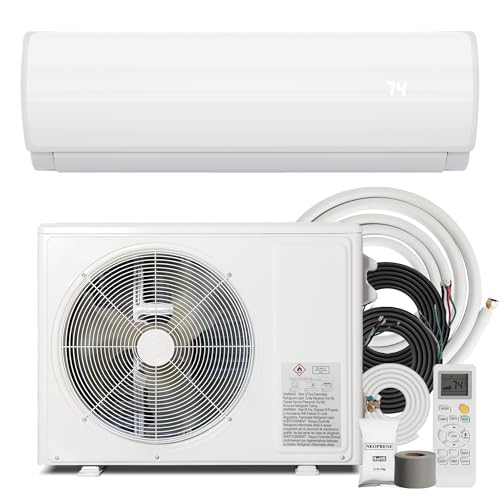
Split air conditioning refers to a system architecture where the cooling components are divided into two distinct units. The indoor unit — often called the evaporator or air handler — is mounted inside the room and distributes conditioned air. The outdoor unit — the condenser — houses the compressor and fan, rejecting heat to the outside environment. Refrigerant lines and electrical connections link the two, creating a closed loop that moves heat rather than generating cold air.
This configuration is fundamentally different from packaged systems where all components sit in a single cabinet. The split design brings practical benefits: quieter indoor operation, flexibility in where you place the indoor unit, and the ability to serve multiple rooms from one outdoor condenser through multi-zone configurations. For a broader comparison of system architectures, explore the types of air conditioning units available today.
Modern split systems frequently operate as heat pumps, meaning they can reverse the refrigerant cycle to provide heating in cooler months. This dual capability makes them a year-round comfort solution in many climates. You can read more about that configuration in the guide to split air conditioner heating.
Types of Split Air Conditioning Systems
Not all split systems are built the same. The category splits into several sub-types, each with a distinct installation profile and ideal use case. Understanding these differences is the first step toward a well-matched purchase.
Wall-Mounted Split System
The classic high-wall indoor unit paired with an outdoor condenser. It is the most widely installed residential configuration because it is straightforward to install, quiet, and well-suited to bedrooms, living rooms, and home offices. These units typically include remote control, programmable timers, and increasingly Wi-Fi connectivity. Explore wall-mounted air conditioners with outdoor units for a deeper look at this category.
Ductless Mini-Split
A ductless mini-split is essentially a split system designed to serve one or more rooms without any ducting. Single-zone kits handle one space; multi-zone outdoor units can support several indoor heads. This is the go-to choice for older homes, additions, and spaces where running ducts is impractical. See the full range of split ductless air conditioning systems for configuration options.
Split Heat Pump System
By adding a reversing valve, the split system becomes a heat pump capable of both cooling and heating. This category is increasingly popular as a primary comfort system in mild-to-moderate climates. The split system air conditioner and heat pump guide covers efficiency ratings, cold-climate performance, and what to expect.
Cassette and Floor-Mounted Splits
For spaces where a high-wall unit is not ideal, cassette indoor units recess into the ceiling and distribute air in multiple directions, while floor-mounted units sit low on the wall. These are common in commercial rooms, restaurants, and homes with unusual layouts. The split unit air conditioning systems overview explains placement and airflow considerations.
How a Split System Works: The Refrigerant Cycle
Understanding the basic refrigeration cycle helps you evaluate what you are buying and why maintenance matters. The process unfolds in four stages:
1. Compression. The compressor in the outdoor unit pressurizes refrigerant gas, raising its temperature dramatically. This is the component that consumes the most electricity, which is why inverter-driven compressors have become standard in modern split systems.
2. Condensation. The hot, high-pressure gas passes through the outdoor condenser coil. A fan blows outdoor air across the coil, and the refrigerant releases heat and condenses into a liquid.
3. Expansion. The liquid refrigerant passes through an expansion valve, dropping in pressure and temperature before entering the indoor unit.
4. Evaporation. Inside the indoor evaporator coil, the cold refrigerant absorbs heat from room air. A blower pushes that cooled, dehumidified air back into the room. The refrigerant returns to the compressor as a gas, and the cycle repeats.
For a visual and detailed explanation of the components involved, the article on how an air conditioner works provides additional context. If you are specifically considering a cooling-only configuration, the split system air conditioner cooling-only page explains when that makes sense versus a heat pump.
Advantages and Limitations of Split Air Conditioning
Every system architecture carries trade-offs. Being honest about both sides helps you match the product to your situation rather than to marketing claims.
Strengths
- Quiet indoor operation because the compressor sits outdoors
- No ductwork required, preserving ceiling height and avoiding duct losses
- Room-by-room zoning with independent temperature control
- High energy efficiency ratings, especially inverter models
- Flexible indoor unit styles for different room layouts
- Heat pump variants provide both cooling and heating
Considerations
- Requires a suitable outdoor location with drainage and airflow
- Professional installation is necessary for refrigerant line work
- Wall penetration needed for refrigerant and drain lines
- Multi-zone systems require a larger outdoor footprint
- Indoor units are visible and must be placed thoughtfully
- Refrigerant handling is regulated and requires certified technicians
Split System Comparison at a Glance
The table below summarizes how the main split categories differ in purpose and installation profile. Use it as a quick orientation before diving into product-specific research.
| System Category | Best For | Installation Profile | Heating Capability |
|---|---|---|---|
| Wall-mounted split | Bedrooms, living rooms, single spaces | High-wall indoor unit plus outdoor condenser | Cooling only or heat pump |
| Ductless mini-split | Homes without ducts, additions, multi-zone | One or more indoor heads linked to one outdoor unit | Heat pump common |
| Cassette split | Commercial rooms, large open spaces | Recessed ceiling unit with four-way airflow | Usually heat pump |
| Floor-mounted split | Rooms with limited high wall space | Low-wall indoor unit plus outdoor condenser | Cooling or heat pump |
| Multi-zone split | Whole-home or multi-room coverage | Multiple indoor heads, one larger outdoor unit | Heat pump common |
Sizing and Choosing the Right Capacity
Split air conditioning performance depends heavily on correct sizing. An undersized unit runs continuously and struggles to reach the setpoint. An oversized unit cools too quickly, cycles on and off frequently, and leaves humidity uncontrolled. Both outcomes reduce comfort and efficiency. The core metric is BTU per hour, and the calculation considers room area, ceiling height, window area, insulation quality, and local climate.
As a starting reference, a room of roughly 150 to 250 square feet typically pairs with a 6,000 to 8,000 BTU indoor unit, while 250 to 400 square feet calls for approximately 9,000 to 12,000 BTU. These are starting points, not rules. The detailed walkthrough in how to size an air conditioner explains how to adjust for sun exposure, occupancy, and appliance heat. For a whole-home perspective, the AC sizing for whole home guide covers load calculation principles.
Efficiency ratings matter as much as capacity. SEER2 values indicate cooling efficiency, and higher ratings translate to lower energy consumption over the equipment's life. The primer on SEER ratings explains how to interpret these numbers and how the updated SEER2 standard affects new purchases.
Installation Essentials for Split Systems
Split air conditioning installation is not a casual weekend project. It involves refrigerant line routing, vacuuming the lineset, electrical connections, and condensate drainage. Mistakes in any of these areas lead to reduced performance, leaks, or premature failure. Professional installation is strongly recommended, and in many jurisdictions, refrigerant handling requires EPA Section 608 certification.
Before installation, confirm that your electrical panel can support the added load. Many split systems require a dedicated circuit, and larger units often need 220-240V service. The check home electrical panel guide outlines what an electrician will evaluate. Placement matters too: the outdoor unit needs clearance for airflow, a stable base, and a location that does not disturb neighbors with noise. Indoor unit height and position affect airflow distribution across the room.
If you are comparing quotes or planning a project, the split system air conditioner and installation resource covers the sequence of work and what to expect from a qualified installer. Cost-related specifics are outside the scope of this guide, but the split unit air conditioner installation cost page discusses the factors that influence project scope.
Maintenance Practices That Extend System Life
Split systems reward consistent care. The single most impactful habit is cleaning or replacing the indoor air filter every four to eight weeks during heavy use. A clogged filter restricts airflow, forces the blower to work harder, and can freeze the evaporator coil. The guide to split AC filter replacement explains filter types and replacement intervals.
Beyond filters, annual professional servicing keeps the system efficient. Technicians clean the condenser and evaporator coils, check refrigerant charge, inspect electrical connections, and verify condensate drainage. Homeowners can also keep the outdoor unit free of debris and vegetation, and verify that the indoor drain line is not clogged. The split system air conditioning maintenance article provides a seasonal checklist.
If something goes wrong — reduced cooling, unusual noises, water leakage, or ice formation on coils — early diagnosis prevents small issues from becoming major repairs. The split system air conditioning repairs overview describes common symptoms and when to call a technician. For broader troubleshooting across system types, see troubleshooting air conditioning.
Smart Controls and Thermostat Compatibility
Most modern split systems ship with handheld remotes, but smart thermostats and app-based controls add scheduling, geofencing, and energy reporting. Compatibility depends on the indoor unit's control interface. Some systems support third-party thermostats directly; others require a manufacturer-specific adapter or a communicating thermostat. The guide to split unit thermostats explains the wiring and protocol considerations.
If you want a thermostat that manages both heating and cooling automatically, the article on thermostats that automatically switch from AC to heat covers changeover logic and setup. For heat pump split systems, a thermostat designed for heat pump operation is essential to manage defrost cycles and auxiliary heat correctly.
Ready to Compare Split Air Conditioning Options?
You now understand the architecture, the categories, and the decision factors. The next step is matching a specific system to your room size, climate, and efficiency goals. Browse curated split system recommendations below to see how the categories translate into real products.
View Recommended Split SystemsFrequently Asked Questions
What is split air conditioning and how does it differ from a window unit?
A split system separates the indoor air handler from the outdoor compressor, connected by refrigerant lines. A window unit contains all components in a single chassis that sits in a window opening. Split systems are quieter indoors, more efficient at higher capacities, and do not block window views, but they require professional installation and a wall penetration for lines.
Can a split air conditioner provide heating as well as cooling?
Yes. Split systems equipped with a reversing valve operate as heat pumps, extracting heat from outdoor air and moving it indoors during cold weather. This is different from electric resistance heating and is significantly more efficient in moderate climates. The split air conditioner heating guide explains cold-climate performance and backup heat considerations.
How many indoor units can one outdoor split condenser support?
Multi-zone outdoor units typically support two to five indoor heads, depending on the model and total capacity. Each indoor unit can be controlled independently, which is useful for bedrooms and living areas with different schedules. The two-head mini-split overview is a useful starting point for dual-zone planning.
Does a split system require a dedicated electrical circuit?
Most split systems do require a dedicated circuit, particularly larger capacity units and multi-zone systems. Smaller single-zone wall units may operate on standard household voltage, but many models need 220-240V service. A licensed electrician should assess your panel capacity and run the appropriate circuit before installation.
How often should a split air conditioning system be serviced?
Professional servicing once per year is the standard recommendation, ideally before the cooling season. Homeowners should clean or replace filters every four to eight weeks during heavy use and keep the outdoor unit clear of debris. Regular servicing maintains efficiency, catches refrigerant leaks early, and extends equipment lifespan.
What is the difference between a split system and a ductless mini-split?
The terms overlap significantly. A ductless mini-split is a type of split system that serves one or more rooms without ductwork. Some split systems connect to short duct runs for limited distribution, while mini-splits deliver air directly from the indoor head. In residential contexts, the two terms are often used interchangeably for wall-mounted systems.