Split System Heat Pumps: The Complete Cooling and Heating Guide
A split system heat pump cools in summer and heats in winter from a single installation. This guide explains how the technology works, which ratings matter, and how to choose a system that fits your home and climate.
You are in the research stage. You understand that a heat pump can replace both an air conditioner and a furnace, and now you need clarity on efficiency, sizing, and cold-weather performance. This page answers those questions so you can compare listings with confidence.
What a Split System Heat Pump Actually Does
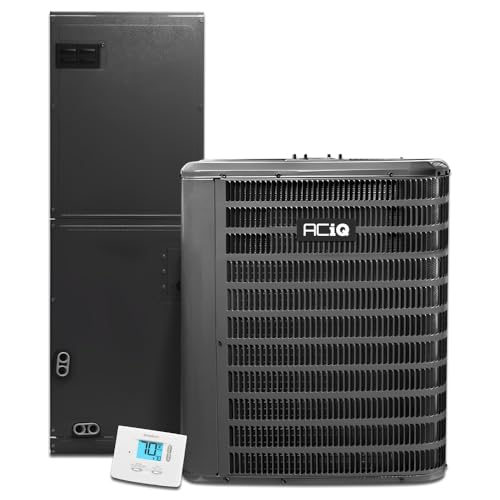
A split system heat pump pairs an indoor air-handling unit with an outdoor condenser connected by refrigerant lines. A reversing valve changes refrigerant flow direction so the same equipment cools in summer and heats in winter. In cooling mode it removes heat from indoors; in heating mode it absorbs heat from outdoor air and releases it indoors. Because it moves heat rather than generating it, a heat pump delivers more thermal energy than the electricity it consumes.
This architecture is shared across several product names. A split system air conditioner and heat pump is the most common description in catalogs. Wall-mounted configurations are often listed as a wall mounted air conditioner with heat pump. Ductless layouts appear under split ductless air conditioning systems or the shorter split ductless systems label. The core hardware is the same.
If you want a plain-language walkthrough of the refrigerant cycle, our guide to split air conditioner heating explains the physics. If you are comparing split heat pumps against other equipment categories, the overview of split heat AC unit technology puts them in context.
| Heat Pump Type | Heating Source | Best For | Cold-Climate Suitability |
|---|---|---|---|
| Air-source split heat pump | Outdoor air | Most homes in mild to moderate climates | Moderate |
| Cold-climate split heat pump | Outdoor air (enhanced) | Homes in freezing winter regions | High |
| Dual-fuel hybrid system | Heat pump + furnace backup | Extreme cold with existing furnace | Very high |
| Ducted heat pump | Outdoor air via ductwork | Homes with existing ducts | Moderate |
How Heating Mode Works in Cold Weather
In heating mode the outdoor coil becomes the evaporator. Even frigid air contains thermal energy, and the compressor extracts it, raising refrigerant pressure and temperature before it travels indoors. The indoor coil then releases that warmth into your rooms. Two components make this reliable in practice: a reversing valve that redirects refrigerant flow between modes, and a defrost cycle that periodically melts frost that forms on the outdoor coil in cold, humid conditions.
Capacity drops as outdoor temperature falls, so published ratings at 47°F, 17°F, and lower matter more than headline numbers. Cold-climate heat pumps use enhanced compressors and smarter defrost logic to hold capacity further down the temperature curve. In regions where deep freezes are routine, a dual-fuel arrangement with a furnace backup is a practical safeguard.
Inverter compressors modulate speed continuously instead of cycling on and off. This improves part-load efficiency and temperature stability — a real advantage in heating season when demand fluctuates. If you are weighing inverter versus fixed-speed units, our comparison of split air conditioner units explains how each behaves in practice.
Efficiency Ratings That Matter
Cooling efficiency is expressed through SEER2, while heating performance is measured by HSPF2 (Heating Seasonal Performance Factor). A higher HSPF2 means more heat delivered per unit of electricity across the season. Inverter heat pumps generally achieve better HSPF2 figures because they avoid constant stop-start cycling.
Pay attention to rated heating capacity at low outdoor temperatures, not just the headline rating. A system that looks strong on paper may taper significantly in deep winter. Cold-climate models are engineered to hold capacity further down the temperature curve and are the safer choice if your winters routinely drop below freezing.
For a foundation in rating terminology, review what SEER ratings mean and how they interact with real-world usage. The same efficiency-first mindset applies to heating: a well-matched, correctly sized system outperforms an oversized one in both seasons.
Sizing Split Heat Pumps Correctly
Heating load and cooling load are not identical. A room that cools easily may lose heat quickly through poorly insulated walls or large windows. Proper sizing considers both, and the safest approach is a room-by-room load calculation rather than a rule-of-thumb estimate. Undersized systems struggle on the coldest nights; oversized systems short-cycle, which hurts efficiency and humidity control in summer.
Simple BTU charts provide a starting estimate but should be treated as a sanity check rather than a specification. Our explanation of what happens if AC is too big or too small shows why matched capacity matters. For larger homes, a split system air conditioning system with multiple indoor heads delivers better control than one oversized unit.
If you plan to heat with the heat pump year-round, review split system heating and cooling units and their capacity tables carefully. A dedicated two ton heat pump spec sheet, for example, shows heating output falling as outdoor temperature drops — a fact worth checking before committing to a size.
Ductless vs Ducted Heat Pump Layouts
Ductless mini-split heat pumps place an air handler directly in each room, eliminating duct losses. In heating mode this means warm air reaches occupants without traveling through leaky attic or crawlspace ductwork. The trade-off is visual: each room needs its own indoor unit. Homes that prefer concealed distribution can use a ducted heat pump, which routes conditioned air through short, well-sealed runs.
If you are weighing these layouts, compare ductless heat pump guides against ducted options before installation. Retrofitting ducts into an older home is often impractical, which is why ductless systems dominate renovation projects. For homes with existing ducts, a ducted heat pump can reuse the distribution system and lower installation disruption.
Multi-zone configurations let you heat only occupied rooms in winter, which is one of the strongest arguments for ductless designs in homes with uneven occupancy. A two head mini split setup, for instance, is a common choice for a main living area and a primary bedroom.
Installation Scope and Site Checks
Before ordering equipment, confirm three things: available wall or ceiling space for indoor units, a stable outdoor location with clearance for airflow, and electrical capacity at the panel. The indoor head needs unobstructed supply and return airflow, and should not blow directly onto seating or beds. The outdoor unit needs a level base and enough clearance to exhaust heat without recirculating it.
Line-set routing matters more than many buyers expect. Longer runs require additional refrigerant charge and can reduce capacity if not accounted for during design. A wall mount bracket for mini split systems keeps the outdoor unit off the ground and away from snow or debris — an important detail for heat pumps that must run in winter.
Heating mode adds a specific concern: the outdoor unit must drain defrost water away from walkways and foundations so ice does not accumulate. Electrical work is not a DIY task in most jurisdictions; confirm breaker capacity, wire gauge, and disconnect requirements with a licensed professional. For a full walkthrough of the sequence, read the guide on split system air conditioner and installation, and for combined heating and cooling setups see split system heating and cooling installation.
Maintenance for Two-Season Operation
Split heat pumps reward simple maintenance. Clean or replace indoor filters monthly during heavy use — a clogged filter restricts airflow and strains the blower in both modes. Keep the outdoor coil free of leaves, pollen, and snow drifts. Before heating season, verify that the condensate line is clear and that the outdoor unit has adequate drainage.
Annual professional service should include refrigerant pressure checks, coil cleaning, electrical inspection, and a test of the reversing valve and defrost cycle. Skipping heating-mode checks is a common mistake; problems that stay hidden in summer surface as weak heat in the first cold snap. Our split system air conditioning maintenance checklist and the split AC filter replacement procedure cover the DIY tasks that matter most.
If something sounds or smells wrong, consult the guide to split system air conditioning repairs before assuming a major failure. Early issues often trace to installation details — a kinked line set, a reversed drain slope, or a loose electrical connection — that a technician can resolve quickly.
Controls and Smart Operation
Modern split heat pumps support programmable and smart thermostats that switch automatically between heating and cooling. A thermostat that automatically switches from AC to heat prevents the common annoyance of manually flipping modes during shoulder seasons. For multi-zone systems, a split unit thermostat with per-zone scheduling maximizes efficiency by heating only the rooms in use.
Smart features add convenience but also value: remote diagnostics, usage reports, and geofencing help you spot inefficient patterns early. Pair these with sensible setpoints — modest setbacks while sleeping or away — to reduce runtime without sacrificing comfort.
Market Tiers and What They Mean
Split heat pumps fall into recognizable market tiers. Entry-level systems cover basic cooling and heating with standard efficiency and simpler controls. Mid-range systems add inverter modulation, quieter indoor operation, and better part-load efficiency. Premium and top-tier systems pair high HSPF2 and SEER2 ratings with advanced filtration, refined airflow control, and robust cold-climate performance. Luxury and flagship tiers focus on near-silent operation and sophisticated zoning.
Match the tier to your climate and usage intensity. In mild regions, an entry-level or essential-tier heat pump may meet demand comfortably. In regions with real winters, the mid-range and high-end tiers justify themselves through maintained heating output and lower seasonal energy use. Commercial-grade and professional-grade equipment used in offices and retail spaces typically requires dedicated electrical circuits and more rigorous site planning.
When comparing listings, focus on rated capacity at your design temperature, HSPF2, noise levels in heating mode, and warranty coverage. A well-specified mid-range unit installed correctly will outperform a premium unit installed hastily. Review the split system air conditioning units for sale overview for what to verify in product documentation before ordering.
Frequently Asked Questions
What is a split system heat pump?
A split system heat pump uses an indoor air handler and an outdoor unit connected by refrigerant lines. A reversing valve lets it cool in summer and heat in winter, delivering year-round comfort from one system.
How efficient are split system heat pumps?
Heat pumps move heat rather than generate it, so they typically deliver several units of heating per unit of electricity. Inverter models reach high HSPF2 ratings and maintain output efficiently in cold conditions.
Do split system heat pumps work in cold climates?
Standard heat pumps lose capacity as temperatures drop. Cold-climate rated split heat pumps use enhanced compressors and defrost controls to deliver usable heating well below freezing, though a backup heat source may be advisable in extreme cold.
How long do split system heat pumps last?
With proper installation and annual maintenance, a well-built split heat pump typically serves a home for many years. Lifespan depends on climate severity, usage patterns, and service quality.
Can a split heat pump replace both an air conditioner and a furnace?
In many climates, yes. A heat pump provides both cooling and heating, eliminating the need for separate systems. In very cold regions, a dual-fuel setup with a furnace backup is often the practical choice.
Next Steps Before You Buy
Confirm your room-by-room load calculation, decide between a standard and cold-climate heat pump, and get written quotes from licensed installers with equal scope. With those three items settled, equipment comparison becomes straightforward. The product recommendations below are a useful starting point for matching features to your selected tier.