
Types of Air Conditioning Units: The Complete Guide
The type of air conditioning unit you choose affects installation, comfort, and long-term performance. This guide covers central systems, ductless mini-splits, split systems, window and portable units, heat pumps, and more, so you can match the right category to your home before making a purchase decision.
Explore the GuideStart with the category, then choose the model: Buyers who narrow the category first tend to be happier with their purchase. This page walks through each major type, the scenarios it fits best, and the tradeoffs that matter. It is written for buyers in the research phase who already know they need cooling and want a clear, structured comparison before selecting a product.
Why the Type of AC Unit Matters
Air conditioning is not a single product category. The phrase covers a wide range of equipment that differs in how cooling is generated, distributed, and controlled. A window unit and a central air conditioner both lower indoor temperature, but they differ in noise, zoning flexibility, installation requirements, and the amount of space they can serve.
Choosing the right type early saves money, time, and frustration. A ductless system installed in a home with existing, well-sealed ducts may be unnecessary, while a central system in an older home without ductwork may require major structural work. For a broad orientation, our overview of type of air conditioning systems introduces how these categories relate, and this page expands on each type in detail.
Main Types of Air Conditioning Units
Central Air Conditioners
A central system cools air at an indoor coil and distributes it through ductwork to every room. It offers whole-home comfort from one system but requires existing or newly installed ducts. See our guide to types of central air conditioners for homes for configuration details.
Ductless Mini-Split Systems
One outdoor unit serves one or more indoor heads, each cooling a specific room without ductwork. Ideal for additions, older homes, and room-by-room zoning. Our overview of split ductless air conditioning systems explains how capacity is allocated.
Split System Air Conditioners
The broader category that includes ducted and ductless configurations. Indoor air handler connects to an outdoor condenser via refrigerant lines. Our guide to split system air conditioning system covers the design considerations.
Window Air Conditioners
A self-contained unit that fits into a window opening. Simple to install and operate, best for single rooms. See our guide to the wall air conditioner without outdoor unit for related configurations.
Portable Air Conditioners
A freestanding unit on wheels that exhausts hot air through a window kit. Flexible placement without permanent installation. Our guide to stand-alone portable air conditioning units covers venting and capacity selection.
Heat Pump Systems
Reversible systems that cool in summer and heat in winter by reversing the refrigerant cycle. A year-round solution in moderate climates. Our page on split system heat pumps describes the operating cycle.
Central and Split System AC Units
Central air conditioners and split systems are related. A central system is a type of split system, distinguished by its use of ductwork to distribute air. The indoor air handler is often located in a closet, basement, or attic, and the outdoor condenser sits on a pad outside the home. Every room connected to the ductwork receives cooled air from a single central source.
Central systems excel at whole-home comfort and can be paired with a furnace for year-round heating and cooling. Split systems that do not use ducts, such as ductless mini-splits, serve individual zones. Both rely on the same refrigeration principle but differ in installation and flexibility. Our overview of split air conditioning explains how these configurations relate to one another. If you are comparing a ducted and ductless installation, our guide to split unit air conditioning systems is a useful reference.
Window, Portable, and Through-the-Wall Units
Window air conditioners are self-contained units that fit into a window opening. The entire refrigeration cycle is housed in one chassis, so installation is simpler than a split system. Window units are typically best for a single room and offer limited zoning capability. They are easy to remove seasonally and do not require permanent modifications.
Portable air conditioners are freestanding and moveable. They exhaust hot air through a hose and window kit, which means their cooling efficiency is generally lower than window units because part of the heat enters the room through the exhaust hose. They are useful where window installation is not possible or where cooling needs shift between rooms. Our guide to stand-alone portable air conditioning units covers common use cases.
Through-the-wall air conditioners are installed in a wall sleeve and offer a middle ground between window and split systems. They do not occupy window space and can be serviced from the interior. If you are considering a wall installation, our overview of wall AC units air conditioning covers placement and clearance considerations.
Heat Pump Units: Cooling and Heating in One
Heat pumps reverse the refrigerant cycle to provide both cooling and heating. In summer they operate identically to air conditioners. In winter they extract heat from outdoor air and release it indoors, which is more efficient than generating heat directly with electric resistance. For buyers in moderate climates, a heat pump can replace both an air conditioner and a separate heating appliance.
Split system heat pumps are the most common residential configuration. They pair a reversible outdoor unit with indoor air handlers and can be ducted or ductless. Our guide to the split system air conditioner and heat pump explains how the switching cycle works. Buyers replacing older equipment often benefit from a dual-fuel configuration that pairs a heat pump with a backup furnace.
AC Unit Tiers Within Each Type
Within each type of air conditioning unit, products are commonly grouped into three broad market tiers. The descriptors below are relative, not absolute, and describe feature positioning rather than any numeric figure. Use them to align your expectations with what each tier typically delivers.
| Tier | Typical Characteristics | Best For |
|---|---|---|
| Entry-level | Single-speed compressor, basic filtration, simple controls, standard efficiency ratings. | Seasonal rooms, rentals, and buyers who prioritize straightforward operation. |
| Mid-range | Inverter or two-stage compressor, improved filtration, smart thermostat compatibility, higher efficiency ratings, quieter operation. | Primary living spaces and bedrooms where comfort and efficiency both matter. |
| Premium | Variable-speed compressor, advanced air purification, multi-zone control, very low indoor sound levels, high-end efficiency ratings, robust build quality. | Whole-home comfort, homes with strict efficiency goals, and buyers who want the smoothest temperature control available. |
The jump from entry-level to mid-range delivers the most noticeable improvement in day-to-day comfort, because inverter and two-stage compressors hold setpoint temperatures more steadily. Moving from mid-range to premium adds refinement: quieter operation, better filtration, and more granular zoning. A mid-range model is a solid choice for the tier in most households, while premium models are a long-term investment in comfort and efficiency.
Sizing Across AC Types
Sizing principles are similar across types, but the practical limits differ. Window and portable units are typically available in smaller capacities and are designed for single rooms. Split systems and central units scale from small room configurations to whole-home capacity. Heat pumps follow similar sizing logic but also need to meet heating load in winter.
A rough starting rule for cooling is 20 BTU of capacity per square foot of floor area, adjusted upward for high ceilings, large windows, poor insulation, or a hot climate. That rule is a screening tool, not a design method. A proper load calculation accounts for window orientation, wall insulation values, occupant count, appliance heat gain, and local design temperatures. Our explanation of Manual J load calculation describes the methodology contractors use. For a quick estimate by room size, the BTU calculator by room size provides a useful starting range.
Oversizing is a common mistake across all types. An oversized unit cools the air quickly but cycles off before removing moisture, leaving the room feeling clammy. Our guide on what happens if an AC is too big or too small walks through the symptoms of each mistake.
Efficiency Ratings to Compare
SEER2 is the current efficiency metric for cooling performance in the United States. Higher ratings indicate more cooling delivered per unit of electricity consumed. For heat pump units, HSPF2 measures heating efficiency. Both metrics were updated under DOE standards, so older SEER figures are not directly comparable to current labels. Our article on SEER vs SEER2 DOE standards explains the transition.
Efficiency gains compound over the life of the equipment. A high-end tier unit with a variable-speed compressor often uses meaningfully less electricity across a cooling season than an entry-level single-speed model of the same capacity. Buyers in climates with long cooling seasons benefit most from higher efficiency ratings. Look for ENERGY STAR certification as a baseline signal; our page on ENERGY STAR certified AC covers the certification thresholds.
Installation and Maintenance by Type
Installation requirements vary widely by type. Window and portable units can be installed by most homeowners with basic tools. Through-the-wall units require cutting a sleeve opening in the wall. Split systems, central systems, and heat pumps require professional installation, including refrigerant handling and electrical work. Our overview of whether you need an electrician for AC covers the electrical side, and our guide on how to choose an HVAC contractor lists credentials to verify.
Maintenance routines are also type-specific. All systems benefit from clean filters and clean coils. Split and central systems also require periodic inspection of refrigerant lines and condensate drainage. Our article on how to clean an AC filter and our guide to cleaning condenser coils cover the basics. For system-specific maintenance, our overview of split system air conditioning maintenance describes what a thorough service should include.
Buying Checklist for Any AC Type
Before you commit to a specific unit, work through this checklist. Each item addresses a decision that is difficult or expensive to reverse after purchase.
- Match the type to your space. Single-room needs favor window, portable, or ductless units. Whole-home needs favor central or multi-zone split systems.
- Confirm the load calculation. Do not accept a size recommendation based solely on square footage. Ask for the calculated BTU requirement and the assumptions behind it.
- Decide on cooling-only or heat pump. Match the configuration to your climate and existing heating equipment.
- Set an efficiency target. Use SEER2 and HSPF2 ratings to compare models within your chosen tier.
- Verify electrical readiness. Confirm your panel can support the unit and that the circuit meets code.
- Plan the installation location. Clearance, noise, drainage, and structural requirements all matter.
- Check warranty terms. Labor coverage, parts coverage, and compressor coverage vary.
- Confirm installer credentials. EPA certification for refrigerant handling, licensing, and insurance are non-negotiable.
If you have narrowed the category to split systems, our collection of split system air conditioning units for sale organizes options by configuration. Buyers interested in broader residential system types should review types of central air conditioners for homes, and those considering multi-zone commercial-style equipment should explore VRF systems.
Ready to Compare AC Units by Type?
Review our curated selection of air conditioning units and filter by category, capacity range, and efficiency class.
View Recommended UnitsFrequently Asked Questions
What are the main types of air conditioning units?
The main types include central air conditioners, ductless mini-splits, window units, portable air conditioners, through-the-wall units, split systems, and heat pump systems. Each type differs in installation requirements, zoning flexibility, and how much space it can cool.
Which type of air conditioning unit is best for a home without ducts?
Ductless mini-splits and wall-mounted split systems are usually the best fit for homes without ducts. They deliver quiet operation and room-by-room zoning without requiring major structural work.
What is the difference between a split system and a central air conditioner?
A central air conditioner is a type of split system that distributes cool air through ductwork. A split system refers more broadly to any system that separates the indoor air handler from the outdoor condenser, including ductless mini-splits.
Do heat pump units cool as well as standard air conditioners?
Yes. In cooling mode, a heat pump operates like a standard air conditioner. Its advantage is that it can also reverse the refrigerant cycle to provide heating in cooler months, making it a year-round option in moderate climates.
Which AC type is easiest to install?
Window and portable air conditioners are the easiest to install, requiring minimal modifications. Central systems, split systems, and heat pumps typically require professional installation with refrigerant handling and electrical work.
Final Thoughts
Understanding the types of air conditioning units is the first step toward a purchase that actually fits your home and your comfort goals. Central systems deliver whole-home cooling through ducts, ductless mini-splits offer room-by-room flexibility, window and portable units fit single-room needs, and heat pumps provide year-round capability in one system. The tier, sizing, and installation quality all influence how satisfied you will be with your choice.
Once you have settled on a category, the recommended units below are organized to make comparison straightforward. You can also explore our related guides on type of air conditioning systems and split unit air conditioning systems if you want to dig deeper into the split family before committing.
Recommended Air Conditioning Units by Type
⚠️ AFFILIATE DISCLOSURE: This website contains affiliate links. As an Amazon Associate, we earn from qualifying purchases. If you make a purchase through these links, we may receive a small commission at no additional cost to you. Read our full affiliate policy.

Midea 5,000 BTU Window Air Conditioner, Cools up to 150 Sq. Ft. with Easy-to-Use Reusable Filter, Remote, Perfect AC for Bedroom, Living Room, Home Office, Electronic Control
Check price on Amazon
Midea 6,000 BTU Window Air Conditioner, Electronic Control, 250 Sq Ft, New | 3-In-1 Cool/Fan/Dehumidifier Modes, Easy-To-Use Controls, Remote Control, And Cooling For Bedrooms, Studies and Home Offices
Check price on Amazon
GE Window Air Conditioner 5,000 BTU AC Unit for Small Spaces up to 150 sq ft with Manual Controls & 2 Cooling Modes, Easy Install Kit, White
Check price on Amazon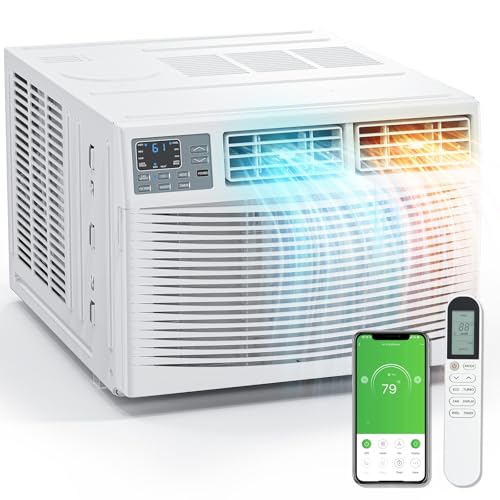
Bonnlo 8000BTU Window Air Conditioner with Heat & Timer, Wi-Fi Enabled Window AC Unit Compatible with Alexa & Google Assistant & Easy Installation Kit for Rooms up to 350 Sq.Ft, 115V/60Hz
Check price on Amazon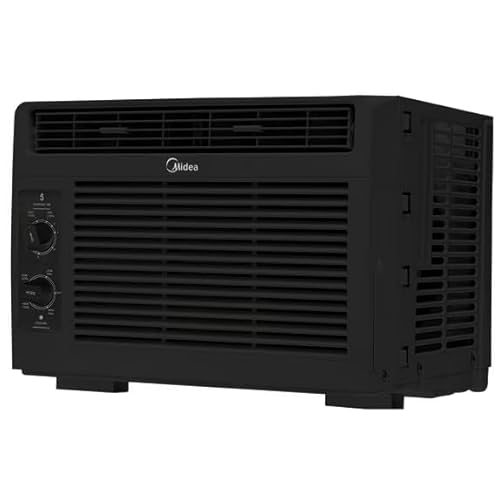
Midea 5,000 BTU 150 Sq ft Mechanical Window Air Conditioner, Black (Renewed)
Check price on Amazon
Midea 10,000 BTU U Shaped Window Air Conditioner, Cools up to 450 Sq Ft | Ultra Quiet U-Shaped Design, Inverter Control, Open Window Flexibility, Alexa/Google Assistant, 37% Energy Savings, 2026 New
Check price on Amazon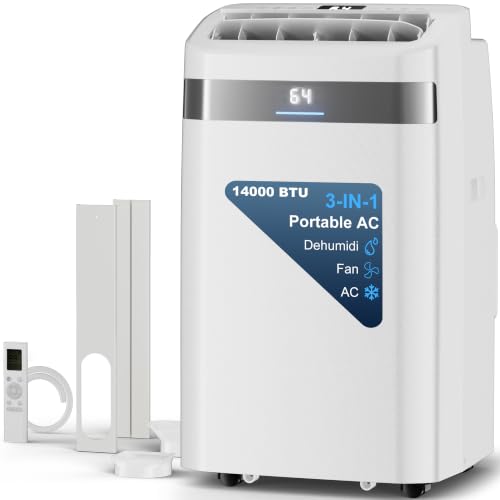
AKIRES Portable Air Conditioners,14,000 BTU Air Conditioner for Bedroom with Remote Control,Portable AC Unit With Fan & Dehumidifier,Cools Up To 700 Sq.Ft For Large Room With 24H Timer And Sleep Mode
Check price on Amazon