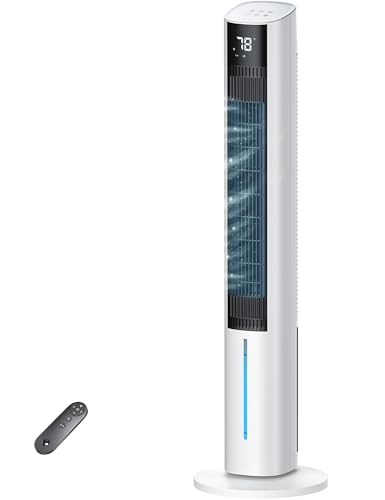
Window Evaporative Swamp Cooler: Complete Guide
Discover how window evaporative swamp coolers deliver energy-efficient cooling for dry climates, including installation, maintenance, and comparison with traditional air conditioners.
Start LearningUnderstanding Evaporative Cooling: A window evaporative swamp cooler uses the natural process of water evaporation to cool air. Unlike refrigerated air conditioners, these units draw in hot, dry outside air, pass it through water-saturated pads, and blow cooled air into your home. They are most effective in low-humidity climates and consume significantly less electricity than traditional AC systems.
How a Window Evaporative Swamp Cooler Works
A window evaporative swamp cooler operates on a simple yet effective principle. A water pump circulates water from a reservoir to saturate cooling pads, while a fan draws hot outside air through these pads. As the air passes through the moistened pads, water evaporates and absorbs heat from the air, lowering its temperature before it enters your living space. The cooled air is then distributed through the window opening, and a separate vent or window must be open to allow hot air to escape, maintaining continuous airflow.
Water Saturation
A pump continuously wets the cooling pads, ensuring maximum evaporation efficiency. The pads are typically made of aspen wood fibers or rigid cellulose media.
Fan-Driven Airflow
A powerful fan pulls hot, dry outdoor air through the wet pads. The evaporation process cools the air by several degrees before it enters your home.
Continuous Ventilation
For optimal performance, a window or door must remain slightly open to allow hot air to escape. This constant air exchange keeps your space fresh and cool.
Types of Window Evaporative Swamp Coolers
Window evaporative coolers come in several configurations to suit different window types and cooling needs. Understanding these options helps you select the right model for your home.
| Type | Best For | Key Features |
|---|---|---|
| Single-Inlet Window Cooler | Standard double-hung windows | Compact design, easy installation, entry-level tier |
| Dual-Inlet Window Cooler | Larger rooms, sliding windows | Higher airflow, balanced cooling, mid-range tier |
| Side-Draft Window Cooler | Narrow windows, tight spaces | Vertical airflow, space-saving, essential tier |
| Remote-Controlled Window Cooler | Convenience-focused users | Adjustable settings, programmable timer, premium tier |
Window Swamp Cooler vs. Traditional Air Conditioner
Understanding the differences between evaporative coolers and refrigerated air conditioners is essential for making an informed decision. Each system excels in specific climate conditions and usage scenarios.
| Feature | Window Evaporative Swamp Cooler | Traditional Window AC |
|---|---|---|
| Cooling Method | Water evaporation | Refrigerant cycle |
| Best Climate | Hot and dry (low humidity) | Any climate |
| Energy Consumption | Significantly lower | Higher |
| Ventilation | Requires open window for exhaust | Closed system |
| Maintenance | Regular pad replacement and water refills | Filter cleaning, occasional refrigerant checks |
| Humidity Effect | Adds moisture to air | Removes moisture from air |
If you are considering a traditional window unit instead, explore our guide to window air conditioners for a detailed comparison. For homes with existing ductwork, a whole house air conditioning system may be a more comprehensive solution.
Key Benefits of Window Evaporative Coolers
Energy Efficient
Evaporative coolers consume a fraction of the electricity required by refrigerated air conditioners, making them an efficient choice for dry climates.
Improved Air Quality
Constant air exchange brings fresh outdoor air indoors while filtering dust and pollen through the cooling pads.
Environmentally Friendly
These units use only water and electricity, without refrigerants that can harm the ozone layer.
Simple Installation
Window-mounted designs require minimal setup and can be installed in most standard window frames.
Natural Humidification
In dry climates, the added moisture from evaporation can improve comfort and reduce dry skin and respiratory irritation.
Long-Term Investment
With proper maintenance, a quality evaporative cooler provides reliable cooling for many seasons.
Installation Guide for Window Swamp Coolers
Proper installation ensures optimal cooling performance and safety. Follow these general steps, and always refer to your specific model's manual for detailed instructions.
Step 1: Choose the Right Window
Select a window that can support the unit's weight and is near a power outlet. Ensure the window opens sufficiently to accommodate the cooler.
Step 2: Secure the Mounting
Use a sturdy bracket or support system to hold the cooler in place. Many units include mounting hardware, or you can use a dedicated no-drill window bracket for added stability.
Step 3: Connect Water Supply
Fill the reservoir manually or connect a water line for continuous operation. Check for leaks before running the unit.
Step 4: Ensure Proper Ventilation
Open a window or door on the opposite side of the room to allow hot air to escape. This cross-ventilation is essential for efficient cooling.
Step 5: Test and Adjust
Turn on the unit and check airflow. Adjust the fan speed and water flow as needed for optimal comfort.
Step 6: Seal Gaps
Use weatherstripping or foam insulation to seal gaps around the window opening, preventing hot air from entering around the unit.
Maintenance Tips for Long-Lasting Performance
Regular maintenance is crucial for keeping your evaporative cooler running efficiently and extending its lifespan. Neglecting maintenance can lead to reduced cooling, unpleasant odors, and potential health issues.
| Task | Frequency | Why It Matters |
|---|---|---|
| Replace Cooling Pads | Once per season or as needed | Clogged or deteriorated pads reduce cooling efficiency and airflow |
| Drain and Clean Reservoir | Every 2-4 weeks during use | Prevents mineral buildup, algae growth, and unpleasant odors |
| Clean Fan Blades | Monthly during use | Dust buildup reduces airflow and can strain the motor |
| Check Water Pump | Monthly during use | Ensures consistent water flow to the pads for proper evaporation |
| Inspect for Leaks | Monthly during use | Prevents water damage and maintains efficient operation |
| Winterize the Unit | Before cold season | Drain water, clean thoroughly, and cover to prevent damage during storage |
Climate Considerations: Where Swamp Coolers Work Best
Evaporative coolers are most effective in hot, arid climates with low relative humidity. In regions where humidity levels are high, the air is already saturated with moisture, and evaporation occurs slowly, reducing cooling effectiveness. If you live in a humid area, a traditional air conditioner or a whole house dehumidifier combined with an AC system may be more suitable. For those in dry climates, a window evaporative cooler is an efficient and environmentally friendly cooling solution.
Frequently Asked Questions
What is the ideal humidity level for a swamp cooler to work effectively?
Evaporative coolers perform best when relative humidity is below 50%. In drier conditions, they can lower the air temperature by 15-20 degrees Fahrenheit or more. In higher humidity, cooling efficiency drops significantly.
Can I use a window evaporative cooler in a humid climate?
While technically possible, evaporative coolers are much less effective in humid climates. The air is already saturated with moisture, so evaporation is slow, and the cooling effect is minimal. In such cases, a traditional air conditioner is a better choice.
How often should I change the water in my swamp cooler?
It is recommended to drain and refill the reservoir every two to four weeks during continuous use. If the unit is not used daily, change the water before each use to prevent stagnation and bacterial growth.
Do I need to leave a window open when using a swamp cooler?
Yes, proper ventilation is essential. Evaporative coolers work by continuously drawing in fresh outside air and pushing cooled air indoors. Without an open window or vent for hot air to escape, the cooling effect is diminished, and humidity can build up.
How does a window swamp cooler compare to a portable evaporative cooler?
Window units are typically more powerful and can cool larger areas. Portable units offer flexibility but generally have smaller cooling capacities. For whole-room cooling, a window-mounted unit is usually more effective.
Can a window evaporative cooler be used with a thermostat?
Some advanced models come with built-in thermostats or remote controls. However, traditional evaporative coolers are often controlled manually. If you prefer automated control, look for a model with a programmable thermostat or consider a Wi-Fi thermostat for air conditioner compatibility, though not all swamp coolers support this feature.
Ready to Explore Window Evaporative Coolers?
Discover top-rated models and find the perfect cooling solution for your home. Browse our curated selection of window evaporative swamp coolers.
View Recommended Products