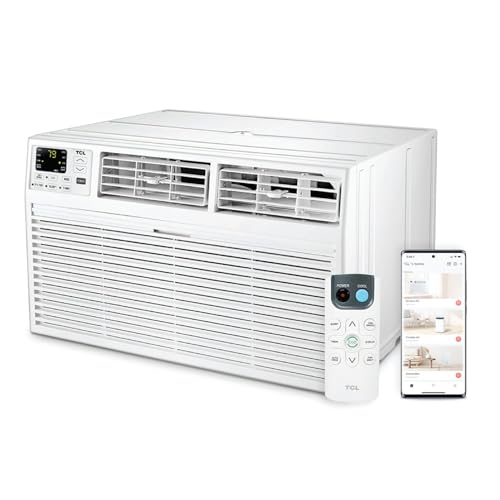
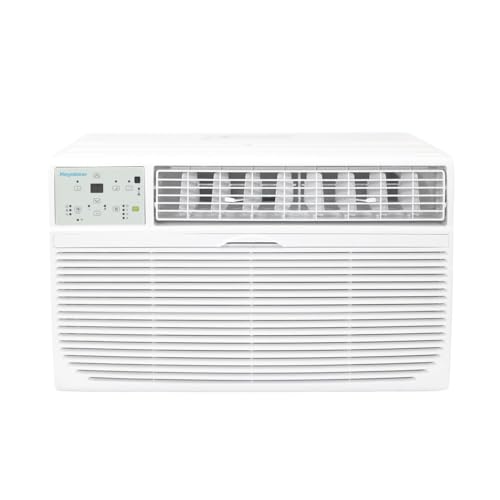
115 Volt Through the Wall Air Conditioner
A complete guide to understanding, sizing, installing, and choosing a 115-volt through-the-wall cooling unit for your home or light commercial space.
Why a 115-volt through-the-wall unit? It combines the convenience of standard household wiring with the permanent, secure installation of a wall-mounted system. This guide explains how these units work, who they suit best, and what to check before you buy.
What Is a 115 Volt Through the Wall Air Conditioner?
A 115 volt through the wall air conditioner is a cooling unit designed to be installed permanently into an exterior wall using a compatible wall sleeve. Because it operates on standard 115-volt household power, it plugs into a dedicated outlet that most US homes already have — unlike 230-volt units that usually require a dedicated circuit upgrade.
These units sit flush or nearly flush with the wall, free up window space, and stay secure year-round. They are a popular middle ground between portable units and full central systems, especially for older homes, apartments, sunrooms, and additions where ductwork is impractical. Many models also function as wall air conditioners with heat, adding a heat pump or electric heat strip for year-round comfort.
How It Differs from a Window AC
A window unit rests on the sill and is supported by brackets; a through-the-wall unit is mounted inside a metal sleeve built into the wall cavity. The wall installation is more permanent, quieter in operation, and typically better sealed against drafts and outside noise. If you are weighing the two formats, our space-saving air conditioner guide covers the trade-offs in more detail.
Key Benefits of 115V Wall-Mounted Cooling
- Standard household voltage: No need for a 230V circuit or special breaker in most cases, simplifying installation and reducing electrical work.
- Permanent and secure: The unit is fixed in a sleeve, making it harder to remove and less vulnerable to tipping than a window unit.
- Frees up window space: You keep your view and can still open windows for ventilation.
- Quieter operation: The wall sleeve absorbs vibration and blocks outside noise better than a window-mounted unit.
- Year-round options: Many models offer heating, dehumidification, and fan-only modes.
- Better for renters and apartments: Some landlords allow wall sleeves where window units are banned; check local rules first.
115V vs 230V: Which Do You Need?
Voltage is the first decision. A 115-volt unit is the right choice when you have a standard outlet available and your cooling load fits within the capacity that 115V models can deliver. Higher-capacity units (generally above 12,000 BTU) often require 230 volts, which means a dedicated circuit and possibly an electrician.
If your room is large or your home already has a 230V line, a higher-voltage unit may be more efficient. Our 110V vs 240V air conditioner comparison explains the electrical differences in plain terms. Also note that many shoppers search for 110 volt through the wall air conditioner — in practice, 110V and 115V refer to the same standard US household circuit.
| Consideration | 115 Volt Unit | 230 Volt Unit |
|---|---|---|
| Typical cooling capacity | Up to around 12,000 BTU | 12,000 BTU and above |
| Electrical work | Usually plugs into a standard dedicated outlet | Requires dedicated 230V circuit |
| Best for | Bedrooms, home offices, small living areas, apartments | Large rooms, open-plan spaces, whole-floor cooling |
| Installation complexity | Lower | Higher |
Sizing: How Many BTU Do You Need?
Correct sizing is the single biggest factor in comfort and efficiency. An oversized unit cools too quickly and cycles off before removing humidity, leaving the room clammy. An undersized unit runs constantly and never reaches the set temperature. As a starting point, use roughly 20 BTU per square foot of floor area, then adjust for sun exposure, ceiling height, occupancy, and kitchen heat.
- Up to 150 sq ft: around 5,000–6,000 BTU
- 150–250 sq ft: around 8,000–10,000 BTU
- 250–400 sq ft: around 12,000–14,000 BTU
For a more precise figure, use our BTU calculator by room size or read the full air conditioner sizing guide. If you are cooling a small bedroom or studio, a mini air conditioner for a room may be a better fit than a full wall unit.
Installation Basics: Sleeve, Wall, and Outlet
Through-the-wall installation is more involved than a window unit but is manageable for a qualified installer or a confident DIYer with the right tools. The key components are the wall sleeve (a metal frame set into the wall), the unit itself, and a dedicated electrical outlet within reach of the power cord.
- Choose the wall: Pick an exterior wall with enough clearance outside for airflow and service access.
- Install the sleeve: The sleeve must be level, properly flashed, and sealed against moisture and drafts.
- Verify the circuit: Confirm the outlet is on a dedicated circuit rated for the unit's amperage. Never share with high-draw appliances.
- Set and seal the unit: Slide the unit into the sleeve, secure it, and seal gaps with weather-resistant foam or caulk.
- Test drainage: Make sure condensate drains away from the wall and does not pool.
If you are unsure about the electrical side, review our HVAC installation overview and consider hiring a licensed technician. Poor sealing is the most common cause of energy loss and water damage in wall-mounted installations.
Efficiency and Running Considerations
Efficiency for through-the-wall units is usually expressed as EER or CEER. Higher numbers mean more cooling per unit of electricity. Look for ENERGY STAR certification where available, and consider an inverter-driven model if you want smoother, quieter operation. Our guide to inverter vs non-inverter AC explains how variable-speed compressors change the experience.
Regular maintenance keeps efficiency high: clean or replace the filter monthly during heavy use, keep the outdoor grille clear of leaves and debris, and schedule a professional coil cleaning each season. Our HVAC cleaning and service guide covers the routine tasks that matter most.
Who Should Choose a 115V Through-the-Wall Unit?
- Apartment and condo owners who want permanent cooling without ductwork.
- Homeowners with older homes where adding central air is impractical or invasive.
- Sunroom and addition owners who need supplemental cooling in a defined space.
- Home office and bedroom users who want quiet, zoned comfort.
- Renters in buildings that permit wall sleeves but restrict window units.
If your space is larger or you want whole-home comfort, a whole house AC system or a PTAC unit for hospitality-style rooms may be more appropriate.
Features Worth Prioritizing
- Remote and programmable timer: Convenient scheduling and temperature control.
- Sleep mode and auto fan: Quieter nights and steadier humidity control.
- Heat pump or heat strip: Extends usability into cooler months.
- Washable filter with indicator: Makes maintenance simple.
- Corrosion-resistant finish: Important for coastal or humid climates.
- Compatible sleeve: Confirm the unit fits a standard sleeve size or comes with one.
Smart controls are increasingly common; our thermostat guide explains how programmable and smart thermostats interact with wall units.
Common Mistakes to Avoid
- Buying by room size alone without accounting for sun, insulation, and occupancy.
- Installing in a wall without proper flashing, leading to water intrusion.
- Plugging into a shared circuit and tripping breakers.
- Skipping the sleeve and trying to improvise a mounting frame.
- Ignoring noise ratings if the unit is near a bedroom or workspace.
Ready to Compare Models?
Browse our curated selection of 115-volt through-the-wall air conditioners below, with feature summaries to help you shortlist the right unit for your space.
Frequently Asked Questions
Can I install a 115V through-the-wall AC myself?
Many homeowners handle the physical installation, but cutting a wall and ensuring proper sealing and electrical safety is best left to a qualified installer unless you are experienced. Always confirm the outlet is on a dedicated circuit.
Does a 115V unit cool as well as a 230V unit?
For rooms within its capacity range, yes. The difference is maximum output: 230V units can reach higher BTU ratings for larger spaces. Match capacity to your room rather than voltage alone.
What size sleeve do I need?
Sleeve sizes vary by manufacturer. Measure your wall opening and check the unit's specified sleeve dimensions before ordering. Many units ship with a compatible sleeve.
Can a through-the-wall unit heat as well as cool?
Models with a heat pump or heat strip can provide supplemental heating. They are not a replacement for a primary heating system in cold climates but work well for mild winters.
How often should I clean the filter?
Every two to four weeks during heavy use, or monthly as a minimum. A clean filter maintains airflow, efficiency, and indoor air quality.