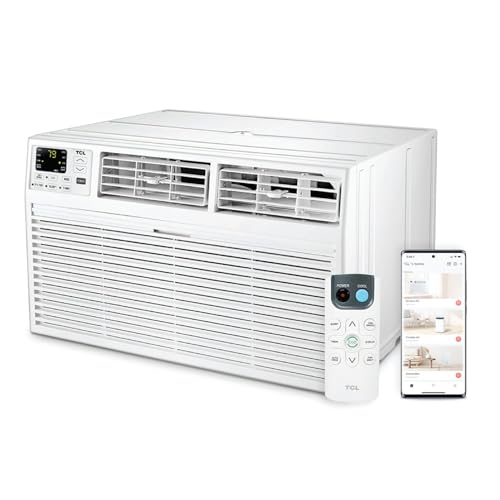
Wall Air Conditioner with Heat: Complete Buyer's Guide
Discover how wall-mounted air conditioners with heating capability deliver year-round comfort. Learn about sizing, efficiency, installation requirements, and the features that matter most when choosing a through-the-wall unit with a heat pump or heat strip.
EXPLORE TOP PICKSWhy a Wall AC with Heat? A wall air conditioner with heat combines cooling and heating in a single, space-saving unit. Unlike a window AC, it is installed through an exterior wall, freeing up window space and offering a cleaner look. When paired with a heat pump or electric heat strip, it becomes a true year-round climate solution for rooms where extending ductwork is not practical.
What Is a Wall Air Conditioner with Heat?
A wall air conditioner with heat — sometimes referred to as a through-the-wall AC with heater or a PTAC (packaged terminal air conditioner) unit — is a self-contained HVAC system designed to be mounted through an exterior wall. It cools the room in summer and warms it in cooler months, using either a heat pump or an electric resistance heat strip.
These units are especially popular in apartments, hotels, senior living communities, and older homes where adding central ductwork is either too invasive or not permitted. Because the unit sits in the wall rather than in a window, it preserves natural light and window views while keeping the room secure.
If you are still evaluating cooling-only options, our overview of PTAC units explains the packaged terminal category in more depth. For a wider comparison of cooling solutions, the space-saving air conditioner guide covers other compact formats.
How Wall AC Units with Heat Work
Understanding the two heating mechanisms is essential before choosing a model, because they differ significantly in efficiency and operating behavior.
Heat Pump Heating
A heat pump reverses the refrigeration cycle to move heat from the outdoor air into the room, even when outdoor temperatures are cool. This approach is far more energy-efficient than electric resistance heating because it moves heat rather than generating it. However, a heat pump loses capacity as outdoor temperatures drop, so in very cold climates it may need a supplemental heat strip. Our guide to a mini-split air conditioner without a heat pump helps clarify when cooling-only equipment is the better fit.
Electric Heat Strip Heating
A heat strip uses electrical resistance to warm the air passing through the unit. It works reliably in any outdoor temperature but consumes more electricity per unit of heat delivered. Many wall AC units with heat include both a heat pump and a backup strip, combining efficiency in mild weather with dependable output in deep cold.
The underlying mechanics of cooling and heating are covered in detail in our thermostat guide, which explains how setpoints and control modes interact with compressor operation.
Types of Wall Air Conditioners with Heat
Through-the-Wall AC with Heat Strip
The most common configuration for residential use. A standard sleeve installation with electric heating elements and straightforward controls. Well-suited to mild-to-moderate climates.
PTAC with Heat Pump
Packaged terminal units designed for hotels and apartments. Often include a heat pump plus supplemental strip, with digital controls and remote thermostat compatibility.
Inverter Wall AC with Heat
Variable-speed compressor units that modulate output for steadier temperatures and quieter operation. The efficiency advantages are covered in our inverter vs non-inverter comparison.
Wall-Mounted Mini-Split with Heat
A ductless wall unit paired with an outdoor condenser. Higher efficiency and quieter indoor operation, but requires refrigerant lines and a professional install.
Sizing a Wall AC with Heat
Correct sizing is the single most important decision for comfort and efficiency. An oversized unit cools too quickly, cycling on and off before it can remove humidity, leaving the room clammy. An undersized unit runs continuously and struggles to reach the setpoint.
As a starting point, use a BTU-per-square-foot method, then adjust for ceiling height, insulation, window area, sun exposure, and occupancy. Our 10,000 BTU air conditioner room size reference is useful for mid-sized bedrooms and living areas. For smaller rooms, the 1-ton air conditioning unit guide explains what that capacity tier covers.
| Room Size | Suggested Cooling Capacity | Typical Wall AC Format | Best For |
|---|---|---|---|
| Up to 150 sq ft | 5,000–6,000 BTU | Compact through-wall | Bedrooms, home offices |
| 150–250 sq ft | 8,000–10,000 BTU | Standard wall sleeve | Guest rooms, studios |
| 250–400 sq ft | 12,000–14,000 BTU | PTAC or large through-wall | Living rooms, apartments |
| 400–700 sq ft | 18,000–24,000 BTU | PTAC with heat pump | Open-plan spaces, small offices |
Efficiency Ratings to Compare
Wall AC units with heat carry two separate efficiency ratings that matter for year-round operation.
- SEER2 — the seasonal cooling efficiency rating. Higher numbers indicate lower energy use over a cooling season.
- HSPF2 — the heating seasonal performance factor for heat pump models. Higher numbers indicate better heating efficiency.
- COP — coefficient of performance for heat pump heating at a given outdoor temperature; a COP above 1 means the unit delivers more heat than the electrical energy it consumes.
For a deeper explanation of the cooling side, see our guide to the inverter vs non-inverter tradeoffs, and for the heating side, consider how a heat pump behaves relative to a cooling-only system in the mini-split without heat pump comparison. A variable-speed design can further improve real-world efficiency, as explained in the variable-speed air conditioner guide.
Key Features to Look For
Feature Checklist
- Heat pump plus backup strip — combines efficiency in mild weather with reliability in deep cold.
- Digital thermostat and remote — precise setpoints and programmable schedules.
- Wi-Fi or smart thermostat compatibility — convenient scheduling and monitoring; see our mini-split Wi-Fi thermostat guide for how smart control works across formats.
- Washable or replaceable filter — simpler maintenance and better indoor air quality.
- Sleep mode and auto fan — quieter operation and steadier temperatures overnight.
- Corrosion-resistant coils — important for coastal installations.
- Standard sleeve compatibility — lets you replace an existing unit without wall modifications.
Installation Considerations
A through-the-wall installation requires cutting and framing an opening in an exterior wall, then fitting a sleeve and sealing the perimeter. This is generally a professional job because errors in framing, sealing, or electrical work can cause water intrusion, air leakage, or safety hazards.
Before committing, confirm that the wall is not load-bearing at the chosen location, that a dedicated electrical circuit of the correct voltage is available, and that the outdoor side has adequate clearance for airflow. Our HVAC installation overview covers the general sequencing, and if you are comparing quotes, the local heating and air conditioning companies guide explains what to ask. For a window-based alternative that needs no wall modification, see how much it is to install a window AC and the window air conditioner for 1000 square feet sizing guide.
If the wall sleeve is already present — common in apartments — replacement is much simpler and typically does not require new framing. Confirm sleeve dimensions and voltage before ordering.
Wall AC with Heat vs Other Formats
| Format | Heating Capability | Installation Effort | Best For |
|---|---|---|---|
| Through-the-wall AC with heat | Heat strip or heat pump | Moderate to high (wall opening) | Apartments, hotels, rooms without ducts |
| Window AC with heat | Heat strip (some models) | Low | Renters, temporary setups |
| Ductless mini-split with heat | Heat pump | High (refrigerant lines) | Whole-room comfort, high efficiency |
| Central AC with furnace | Gas or electric furnace | Very high (ductwork) | Whole-home comfort |
If you are weighing a ductless system instead, our single-zone ductless mini-split air conditioning system guide and 1-ton mini-split overview are good starting points. For brand reliability questions, see the most reliable mini-split brand analysis.
Maintenance Tips for Year-Round Performance
- Clean or replace the filter monthly during peak cooling and heating seasons.
- Keep the outdoor grille clear of leaves, snow, and debris to maintain airflow.
- Inspect and clean the coils annually; a coil cleaner suited to the unit's material is recommended.
- Check the condensate drain for blockages, especially before cooling season.
- Schedule a professional service every one to two years to verify refrigerant charge and electrical connections.
Our HVAC cleaning and service guide walks through the steps in more detail. If the unit is running but not delivering airflow, the air conditioner running but not blowing air troubleshooting guide covers the most common causes.
Common Mistakes to Avoid
- Buying without checking the sleeve size — measure the existing opening before ordering a replacement.
- Ignoring the electrical circuit — confirm voltage and amperage; a 240V unit will not run on a 120V circuit. See 110V vs 240V air conditioner for the differences.
- Oversizing the unit — oversized systems short-cycle and dehumidify poorly.
- Skipping the wall seal — poor sealing causes drafts, moisture, and energy waste.
- Neglecting heating mode testing — verify heat pump and heat strip operation before the first cold snap.
Frequently Asked Questions
Can a wall air conditioner with heat replace a furnace?
In a single room or small apartment, a wall AC with heat pump can serve as the primary year-round unit. For a whole home, it is typically a supplemental solution rather than a furnace replacement.
Is a heat pump better than a heat strip?
A heat pump is more energy-efficient in moderate climates because it moves heat rather than generating it. A heat strip is simpler and maintains output in very cold weather. Many units combine both.
Do wall AC units with heat require a dedicated circuit?
Yes, most units require a dedicated circuit sized to the unit's amperage. Larger 240V models cannot share a general-purpose circuit.
How long do these units last?
With regular filter cleaning and professional service, a well-maintained wall AC with heat typically lasts many years. Coastal installations benefit from corrosion-resistant coils.
Can I install one myself?
Replacement into an existing sleeve is often a homeowner task if the electrical connection is already in place. New wall openings and new electrical circuits should be handled by a qualified professional.
Ready to Compare Wall AC Units with Heat?
Browse our curated selection of through-the-wall air conditioners with heating capability, filtered for year-round comfort.
VIEW RECOMMENDATIONS