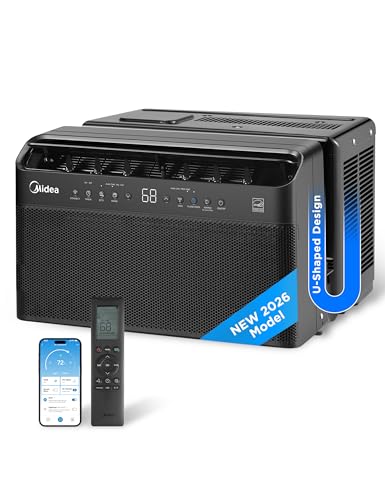
Space Saving Air Conditioner: The Complete Guide
Discover how to cool small rooms, apartments, and tight spaces without sacrificing floor area. This guide explains compact AC types, sizing rules, installation considerations, and which options deliver the best balance of comfort and efficient space use.
Explore Compact AC OptionsWhy a Space Saving Air Conditioner Matters
In many homes, the biggest obstacle to comfortable cooling is not capacity but available space. Studio apartments, bedrooms, home offices, and converted attics often lack the wall clearance or floor area for a conventional central system or a large freestanding unit. A space saving air conditioner solves this by concentrating cooling performance into a compact form factor that fits where full-size equipment cannot go.
For visitors researching this category, the decision usually comes down to four questions: how much floor or wall space is available, whether the room has existing ductwork, whether the building allows structural modification, and how much cooling capacity the space actually requires. Answering these questions first prevents the common mistake of buying an undersized unit that runs constantly or an oversized unit that cycles inefficiently.
Types of Space Saving Air Conditioners
Each compact AC format solves the space problem differently. The right choice depends on whether you can modify the wall, whether you rent or own, and how permanent the installation should be.
Ductless Mini-Split AC
An indoor air handler mounts high on the wall or ceiling, connected by a thin refrigerant line to an outdoor condenser. No floor space is consumed, and no ductwork is required. Ideal for bedrooms, studios, and additions where duct installation is impractical.
Best for: permanent installations, quiet operation, and the cleanest visual footprint.
Window Air Conditioner
The unit sits in a window frame, leaving the room interior largely unobstructed. Modern slim-profile and U-shaped window units are far less intrusive than older box designs. Installation is straightforward and reversible, making this a practical option for renters.
Best for: single rooms, renters, and buildings without ductwork.
Through-the-Wall AC
A permanent unit installed inside a wall sleeve, freeing both floor and window space. It provides a built-in appearance and is common in hotels, apartments, and rooms where window access is limited or undesirable.
Best for: permanent cooling where window placement is awkward.
Portable Air Conditioner
A wheeled unit with a flexible exhaust hose that vents through a window or wall opening. It can be moved between rooms and stored away when not needed, but it does occupy floor area during use.
Best for: renters, temporary cooling, and multi-room flexibility.
Homeowners with existing ductwork may also consider a compact central or whole house AC system with a smaller air handler, though ducted options are rarely the most space-efficient path for a single tight room. For a deeper comparison of compressor technologies, see our guide on inverter AC vs non-inverter AC.
Compact AC Comparison at a Glance
Use this table to compare how each format handles space, installation, and typical room applications. Descriptors reflect market position and build quality, not numeric values.
| Type | Space Occupied | Installation | Typical Tier | Best For |
|---|---|---|---|---|
| Ductless Mini-Split | Wall-mounted, no floor use | Professional install | Mid-range to premium | Permanent, quiet cooling |
| Window AC | Window frame only | DIY-friendly | Entry-level to mid-range | Single rooms, renters |
| Through-the-Wall AC | Inside wall sleeve | Professional install | Mid-range | Permanent built-in cooling |
| Portable AC | Floor area during use | DIY-friendly | Entry-level to mid-range | Flexible, temporary cooling |
For specific product formats, explore our U-shaped window air conditioner guide and the mini air conditioner for room overview.
How to Size a Space Saving AC Correctly
Compact units are often mistakenly paired with rooms that are too large. A unit that is undersized will run continuously, struggle to reach the set temperature, and consume more energy over time. Sizing starts with room area and then adjusts for real-world heat load.
- Up to 150 sq ft: 5,000–6,000 BTU typically suits small bedrooms and studios.
- 150–250 sq ft: 8,000–10,000 BTU fits medium bedrooms and home offices.
- 250–400 sq ft: 12,000–14,000 BTU handles larger living areas.
- Ceiling height: rooms above 8 feet need a capacity adjustment upward.
- Sun exposure: south- and west-facing rooms gain more heat and may need a step up in capacity.
- Occupancy and appliances: kitchens, home offices with equipment, and rooms with multiple occupants generate additional heat.
For room-specific guidance, see 10,000 BTU air conditioner room size and 12,000 BTU air conditioner room size. If you are comparing ductless systems, the 1 ton mini-split guide explains how capacity translates into practical coverage.
Installation and Placement Considerations
Wall and window clearance
Mini-split air handlers need clear space above and around the unit for airflow intake and discharge. Window units require a stable window frame and adequate exterior clearance. Through-the-wall installations depend on a suitable exterior wall and a properly sized sleeve.
Electrical requirements
Small window and portable units often run on standard household circuits, while larger mini-splits and through-the-wall units may require a dedicated circuit. Review 110V vs 240V air conditioner before committing to a format, and confirm panel capacity before installation.
Rental and HOA restrictions
Window units are usually the least invasive option for renters, while mini-splits and through-the-wall units require landlord or HOA approval. Portable units avoid permanent modification but still require a venting path.
Professional vs DIY
Window and portable installations are commonly completed by homeowners. Mini-split and through-the-wall installations involve refrigerant handling, line-set routing, and electrical work that should be handled by a licensed technician. Our HVAC installation guide covers the process end to end, and local heating and air conditioning companies can help you find qualified installers.
Efficiency and Features That Matter in Compact Units
Because compact units serve small spaces, small efficiency gains translate into noticeable comfort improvements. The most meaningful features for this category include:
- Inverter compressor: modulates speed continuously for steadier temperatures and quieter operation. Compare technologies in our inverter vs non-inverter breakdown and the variable speed air conditioner guide.
- High SEER2 rating: indicates stronger seasonal efficiency, particularly important for units that run many hours per day.
- Quiet operation: critical in bedrooms and home offices where the unit sits close to occupants.
- Smart controls: Wi-Fi and programmable thermostats allow scheduling and remote adjustment. See our thermostat guide and the mini-split Wi-Fi thermostat overview.
- Heat pump capability: a wall air conditioner with heat extends usefulness into shoulder seasons.
- Dehumidification mode: helps control humidity in small, enclosed rooms.
Ductless systems are also available in configurations tailored to specific needs, such as a single zone ductless mini-split air conditioning system or a mini-split air conditioner without heat pump for cooling-only climates.
Maintaining a Compact Air Conditioner
Compact units have less internal surface area, so maintenance intervals matter more than with large systems. Clogged filters reduce airflow quickly and force the compressor to work harder.
- Clean or replace filters every two to four weeks during peak cooling season.
- Keep the outdoor condenser clear of debris, leaves, and obstructions.
- Check the condensate drain for clogs, especially in humid climates.
- Schedule periodic professional service to verify refrigerant charge and coil condition. See our HVAC cleaning and service guide for a full checklist.
- If airflow drops unexpectedly, review common causes in my air conditioner is running but not blowing air.
How to Choose the Right Compact AC for Your Space
Work through these decision points in order to narrow the field quickly:
- Can you modify the wall or window? If not, a portable unit is the most flexible fallback. If yes, window and mini-split options open up.
- Is the installation permanent or temporary? Mini-splits and through-the-wall units suit permanent cooling; window and portable units suit renters and seasonal use.
- How large is the room? Match capacity to area and adjust for sun exposure, ceiling height, and occupancy.
- How quiet does it need to be? Mini-splits are typically the quietest indoor format; window units vary widely by tier.
- Do you need heating? Heat pump models extend seasonal usefulness, as covered in our wall air conditioner with heat guide.
For broader market context, our whole-house air conditioner overview explains how compact solutions compare with full-home systems. If you are evaluating specific brands, the most reliable mini-split brand guide reviews durability and service networks.
Frequently Asked Questions
What is the most space saving type of air conditioner?
Ductless mini-split systems are generally the most space saving because the indoor air handler mounts high on a wall and consumes no floor area. Window and through-the-wall units are also compact and free up room space entirely.
Can a space saving air conditioner cool a small apartment?
Yes, provided the capacity matches the space. A 5,000 to 8,000 BTU window or mini-split unit can cool a studio or one-bedroom apartment effectively when sizing accounts for sun exposure and occupancy.
Do space saving air conditioners need special installation?
Window and portable units are commonly installed without professional help. Mini-splits and through-the-wall units typically require a licensed technician because they involve refrigerant lines and electrical work.
Is a portable air conditioner a good space saving choice?
Portable units offer flexible placement and roll away when not in use, but they occupy floor space during operation and require venting through a window. They suit renters and temporary cooling needs.
Ready to Compare Compact AC Options?
Browse curated recommendations for space saving air conditioners below, with feature comparisons and availability details to help you decide with confidence.
View Recommended Units