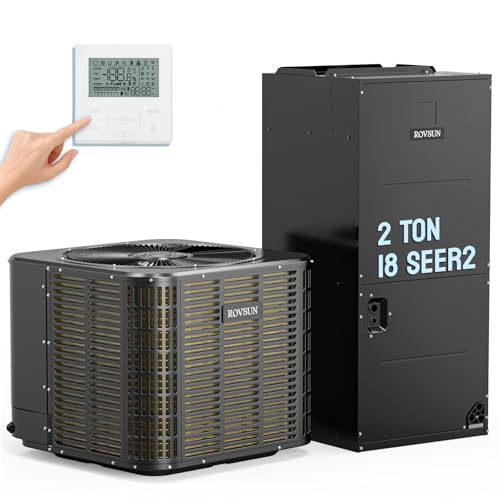
5 Ton 18 SEER AC Unit with Heat Pump: The Complete Buyer's Guide
Understand capacity, efficiency, sizing, installation, and long-term performance of a 5 ton 18 SEER heat pump system before you commit to a whole-home comfort upgrade.
Start the Deep DiveWhy this configuration matters: A 5 ton 18 SEER AC unit with heat pump combines substantial cooling capacity with high seasonal efficiency and year-round heating. It is a serious investment in whole-home comfort, typically chosen for larger homes or light commercial spaces. This guide explains what the numbers mean, who this system suits, how to plan installation, and how to keep it performing at a top-tier level for years.
What Does 5 Ton and 18 SEER Actually Mean?
The "5 ton" figure describes cooling capacity. One ton of cooling equals 12,000 BTU per hour, so a 5 ton system delivers roughly 60,000 BTU of cooling capacity. That places it at the upper end of residential systems and within the range often used for large homes and light commercial spaces. The "18 SEER" figure describes seasonal energy efficiency. Higher SEER ratings generally indicate better seasonal performance and lower energy use for the same amount of cooling.
Because this unit also includes a heat pump, it provides heating as well as cooling. Instead of only moving heat out of the home, a heat pump can reverse the refrigerant cycle to move heat into the home during cooler weather. This makes it a year-round comfort solution, particularly in mild to moderate climates. For a broader understanding of how these ratings compare, see the guide on what a SEER rating means.
Key Specifications at a Glance
| Specification | Typical Range / Description |
|---|---|
| Cooling Capacity | 5 tons (approximately 60,000 BTU per hour) |
| Seasonal Efficiency | 18 SEER (high-efficiency tier) |
| Heating Function | Integrated heat pump operation |
| Recommended Home Size | Roughly 2,400–3,000 sq ft (verify with load calculation) |
| Power Supply | Typically 240V, dedicated circuit |
| Refrigerant | Modern systems use current regulated refrigerants |
| Best For | Large homes, open floor plans, light commercial spaces |
| Market Position | Mid-tier to high-end tier depending on brand and features |
Who Is a 5 Ton Heat Pump System For?
A 5 ton system is not a universal answer. It is best suited to spaces with substantial cooling demand. Before selecting this capacity, it is essential to confirm that your home actually needs it. Oversizing a system can lead to short cycling, uneven humidity control, and unnecessary wear. Undersizing leaves the home uncomfortable during peak heat. The right approach is a room-by-room load calculation, often called a Manual J calculation. Our guide on how to size an air conditioner explains the process in detail.
Ideal Use Cases
- Large single-family homes: Open floor plans and multi-zone layouts where a single high-capacity system is appropriate.
- Homes in hot climates: Regions with long cooling seasons where strong capacity and efficiency matter most.
- Light commercial spaces: Small offices, clinics, or retail areas with high occupancy and equipment loads.
- Dual-fuel setups: In colder regions, a 5 ton heat pump can pair with a furnace for balanced year-round performance.
- Whole-home replacement: Homes upgrading from older, lower-efficiency equipment to a modern high-efficiency system.
Efficiency Explained: What 18 SEER Delivers
An 18 SEER rating places the unit in the high-efficiency segment of the market. Compared with older baseline systems, it typically provides better seasonal performance and smoother operation, especially when paired with a variable-speed or multi-stage compressor. Efficiency is not just a label; it affects comfort, humidity control, and long-term energy use. Higher-efficiency systems often run longer at lower output, which can improve dehumidification and reduce temperature swings.
It is important to understand that rated efficiency assumes a matched system. The indoor air handler, coil, refrigerant lines, and ductwork all influence real-world performance. Pairing a high-efficiency outdoor unit with a mismatched indoor coil can reduce actual efficiency. For a detailed comparison of rating systems, see SEER vs SEER2 and DOE standards.
Advantages
- Strong cooling capacity for large spaces
- High seasonal efficiency tier
- Year-round heating and cooling in one system
- Potential for improved humidity control
- Modern refrigerant and control features
- Long-term investment potential with proper maintenance
Considerations
- Requires accurate load calculation to avoid oversizing
- Higher electrical requirements than smaller systems
- Installation complexity is greater than single-room units
- Ductwork quality strongly affects performance
- Heat pump heating output varies with outdoor temperature
- Professional maintenance is strongly recommended
System Tiers: Entry-Level to High-End
Not all 5 ton 18 SEER heat pumps are built the same. The market offers several tiers of quality and feature sets. Understanding these tiers helps you align your purchase with your priorities, whether that is essential performance, balanced features, or top-tier comfort technology.
Entry-Level Efficiency
Solid build with core functionality. Single-stage or two-stage compressor options. Good value for its tier and suitable for straightforward installations where advanced features are not a priority.
Mid-Range Performance
Improved compressor modulation, quieter operation, and better humidity control. A solid choice for the tier when you want efficiency and comfort without flagship complexity.
High-End Comfort
Variable-speed compressors, advanced controls, premium materials, and quieter outdoor operation. Feature-rich for its class, offering the most refined comfort experience.
Sizing and Load Calculation: The Critical Step
Capacity alone does not guarantee comfort. A 5 ton system installed in a home that only needs 3.5 tons will short cycle, leaving humidity high and causing unnecessary wear. Conversely, a home that needs 5.5 tons will struggle on the hottest days. A proper load calculation accounts for square footage, ceiling height, insulation, window type and area, air infiltration, occupancy, and local climate data. Our guide on calculating BTU by room size can help you estimate, but a professional Manual J calculation is the most reliable path.
If you are unsure whether your current ductwork can support a 5 ton system, consider a ductwork evaluation. Learn more about ductwork replacement considerations and how sealing and insulation affect performance in our guide to wrapping ductwork.
Installation Requirements and Planning
A 5 ton heat pump system is a significant installation. It typically requires a dedicated 240V circuit, adequate outdoor clearances, a matched indoor air handler, and properly sized refrigerant lines. Placement matters: the outdoor unit needs airflow and should be positioned away from dryer vents and debris. The indoor unit must align with ductwork design to maintain static pressure within the manufacturer's specifications.
Permits are often required for HVAC replacements or new installations. Verify local code requirements and choose a licensed contractor. For related electrical context, see 110V vs 240V air conditioner to understand why large systems use higher voltage circuits. If you are also considering zoning for different areas of the home, explore zoned HVAC system options and zone cooling with mini splits as an alternative strategy.
Heat Pump Operation and Climate Considerations
A heat pump moves heat rather than generating it through combustion. In cooling mode, it extracts heat from indoor air and releases it outdoors. In heating mode, it reverses the process. Efficiency in heating mode depends on outdoor temperature and system design. In mild climates, a heat pump can handle the full heating load. In colder regions, a dual-fuel configuration with a furnace backup is common. Understanding heat pump vs air conditioner differences helps clarify which approach fits your climate.
Humidity control is another factor. High-efficiency systems with variable-speed compressors often run longer at lower capacity, which removes more moisture and improves comfort. If humidity is a concern in your area, review recommended indoor humidity levels.
Maintenance and Long-Term Performance
A high-efficiency system deserves consistent maintenance to retain its performance tier. Filters should be checked monthly and replaced every one to three months depending on usage and indoor air quality. Outdoor coils should be kept clean and free of debris. Condensate drains require periodic flushing. Annual professional service includes refrigerant level verification, electrical connection inspection, and blower motor checks. Our air conditioner service and maintenance guide provides a seasonal checklist.
If you notice reduced cooling, unusual noises, or higher energy use, address the issue promptly. Common problems are covered in our guides on AC not cooling and air conditioner running but not cooling. Warranty coverage is another important consideration; review AC warranty explained to understand what is covered and for how long.
How This System Compares to Alternatives
A 5 ton heat pump is one option among several. Ductless mini splits offer zone control and can be ideal for homes without ductwork. Window and portable units are suited to single rooms. Central AC without a heat pump is common in climates where heating is handled separately. For a broader comparison, see central air conditioning and ductless mini-split AC. If you are replacing an older unit, our guide on 3.5 ton central heat and air units provides a useful capacity reference point.
Frequently Asked Questions
What size home does a 5 ton AC unit with heat pump cool?
A 5 ton unit is generally suited for homes around 2,400 to 3,000 square feet, depending on climate, insulation, window area, ceiling height, and local load calculations. A professional Manual J load calculation is always recommended before purchase.
Is an 18 SEER heat pump efficient enough for modern homes?
18 SEER is a high-efficiency rating that exceeds many baseline standards. It can deliver strong seasonal performance, particularly when paired with a matching air handler and a properly sealed duct system. See our SEER rating guide for more detail.
Can a heat pump replace both an air conditioner and a furnace?
Yes. A heat pump provides both cooling and heating. In colder regions, a dual-fuel setup with a furnace backup may be used, while mild climates often rely on the heat pump alone. Compare options in our heat pump vs air conditioner guide.
What maintenance does a 5 ton 18 SEER heat pump require?
Routine maintenance includes filter replacement every one to three months, coil cleaning, condensate drain checks, refrigerant level verification, electrical connection inspection, and an annual professional tune-up. See our maintenance guide.
Does a 5 ton system require special electrical work?
Yes, it typically requires a dedicated 240V circuit and may require panel upgrades depending on the existing electrical service. A licensed electrician or HVAC contractor should evaluate your panel before installation. See 110V vs 240V air conditioner for context.
Can I add zoning to a 5 ton heat pump system?
Yes. Zoning can divide the home into separate comfort areas with individual thermostats and dampers. This can improve efficiency and comfort in multi-story or multi-room homes. Explore zoned HVAC systems for more information.
Ready to Compare 5 Ton 18 SEER Heat Pump Options?
Review the recommended models below and evaluate features, efficiency, and fit for your home before making a final decision.
Explore Recommended Models