3 1/2 Ton Central Heat and Air Unit: The Complete Buyer's Guide
Understand exactly what a 3 1/2 ton central heat and air unit delivers, which homes it suits, how to match it to your ductwork, and what to check before you commit to an installation.
Start With SizingQuick orientation: A 3 1/2 ton central heat and air unit equals 42,000 BTU per hour of cooling capacity. It is one of the most common sizes for mid-size to larger single-family homes, and it usually pairs with a matching air handler or furnace and a full duct system. This guide walks you through every decision point so you can buy with confidence.
What Is a 3 1/2 Ton Central Heat and Air Unit?
A 3 1/2 ton central heat and air unit is a split-system HVAC package that cools and, in most configurations, also heats your entire home through ductwork. The "3 1/2 ton" figure describes cooling capacity, not the physical weight of the equipment. In the US, one ton of cooling equals 12,000 BTU per hour, so 3.5 tons translates to 42,000 BTU per hour.
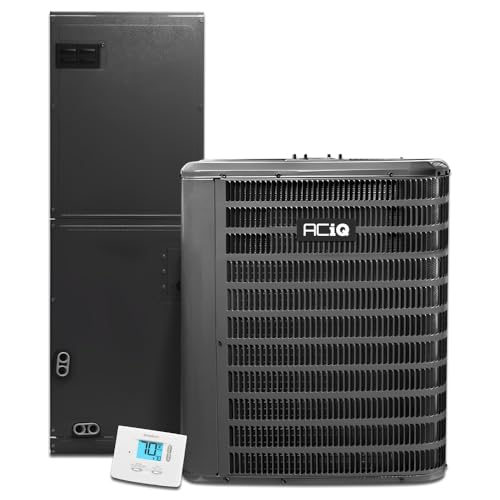
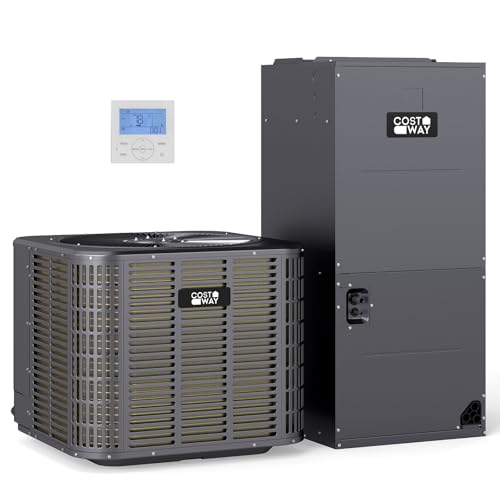
Most 3 1/2 ton systems consist of an outdoor condenser unit, an indoor air handler or furnace with an evaporator coil, a line set, and a thermostat. When configured as a heat pump, the same equipment can reverse operation to provide heating in cooler months. Many homeowners pair this capacity with a gas furnace for a full central heat and air setup, while others choose a heat pump for all-electric operation.
Where the 3 1/2 Ton Size Sits in the Market
Entry-Level Tier
Single-stage compressors with standard efficiency. Solid for mild climates and simple installations.
Mid-Range Tier
Two-stage or variable-speed compressors with better humidity control and quieter operation.
High-End Tier
Fully variable-speed inverter systems with premium efficiency and the most consistent comfort.
Note that the tier describes engineering and comfort features, not a fixed position on a price ladder. A well-installed entry-level tier unit often outperforms a poorly installed premium system in real-world comfort.
How Much Space Does a 3 1/2 Ton Unit Cool?
Sizing is the single most important decision in central HVAC. A 3 1/2 ton central heat and air unit is typically right for homes in the 1,900 to 2,500 square foot range, but that broad range hides a lot of variables. Climate zone, ceiling height, insulation quality, window area, and occupancy all shift the real requirement.
| Home Size (sq ft) | Typical Capacity | Notes |
|---|---|---|
| Up to 1,200 | 1.5 – 2 tons | Small homes, apartments, condos |
| 1,200 – 1,800 | 2 – 2.5 tons | Compact single-family homes |
| 1,800 – 2,200 | 2.5 – 3 tons | Mid-size homes, moderate climate |
| 2,200 – 2,800 | 3.5 – 4 tons | Larger homes, warm climate |
| 2,800 – 3,500 | 4 – 5 tons | Large homes, two-story layouts |
These figures are a starting point, not a substitute for a proper load calculation. A qualified contractor should perform a Manual J calculation that accounts for your specific home envelope, orientation, and local design temperatures. Skipping this step is the most common reason homeowners end up with an oversized or undersized system.
If you are comparing capacity options, our BTU calculator by room size gives a fast sanity check, and what happens if an AC is too big or too small explains the comfort and durability consequences in detail.
Efficiency Ratings to Look For
Efficiency determines how much energy the system uses to deliver 42,000 BTU of cooling. Since 2023, the DOE uses SEER2 for split systems and HSPF2 for heat pumps. Minimums vary by region: split systems in the northern US start at 13.4 SEER2, while southern regions require 14.3 SEER2.
SEER2, EER2, and HSPF2 Explained
- SEER2 — Seasonal efficiency across a cooling season. Higher is better.
- EER2 — Efficiency at peak design conditions. Useful for hot-climate comparisons.
- HSPF2 — Heating efficiency for heat pump configurations.
An entry-level tier 3 1/2 ton unit might land around 14 SEER2, a mid-range tier model around 16 SEER2, and a high-end tier inverter system at 18 to 20 SEER2 or above. The jump from 14 to 18 SEER2 typically reduces cooling energy use by roughly 20 percent, which matters in long cooling seasons. For a deeper explanation, read what a SEER rating is and SEER vs SEER2 under DOE standards.
What's Inside a 3 1/2 Ton Central System
Understanding the major components helps you evaluate quotes and ask better questions during installation.
- Outdoor condenser — Contains the compressor and condenser coil. The compressor is the heart of the system and the most repair-sensitive part.
- Indoor air handler or furnace — Moves air through the ductwork and houses the evaporator coil. In a central heat and air setup, this is often a gas furnace.
- Evaporator coil — Absorbs heat from indoor air and transfers it to the refrigerant.
- Line set — The refrigerant piping that connects indoor and outdoor units. Length and insulation quality affect performance.
- Thermostat — Controls operation. A programmable or smart thermostat improves scheduling and comfort. See our guide to a wireless air conditioner thermostat if you plan to upgrade.
- Ductwork — Distributes conditioned air. Leaky or undersized ducts can waste a large share of the system's output; see wrapping ductwork for insulation guidance.
For an overview of how the outdoor and indoor halves work together, read about the air conditioner condenser and air handler.
Heating Options for Your Central System
A "central heat and air unit" can mean several different heating configurations. The right choice depends on your climate, fuel availability, and long-term energy goals.
Gas Furnace + AC Coil
The most common setup in many US markets. A gas furnace provides heating, and the evaporator coil sits above or below it for cooling. This pairing is straightforward, reliable, and familiar to most contractors.
Heat Pump (All-Electric)
A heat pump provides both heating and cooling from one outdoor unit. Modern cold-climate heat pumps operate efficiently well below freezing. Heat pump configurations are rated with HSPF2 for heating efficiency. If you are weighing the two paths, our heat pump vs air conditioner comparison covers the trade-offs.
Dual-Fuel System
A heat pump paired with a gas furnace as backup. The system selects the more efficient source based on outdoor temperature. This is a strong option in regions with moderate winters and occasional deep cold snaps.
Installation Checklist for a 3 1/2 Ton Unit
Installation quality determines whether a 3 1/2 ton system reaches its rated efficiency and lifespan. Use this checklist when evaluating contractor proposals.
- Manual J load calculation — Confirm the 3.5 ton size is correct for your home, not just a carryover from the previous unit.
- Manual S equipment selection — Verify the selected model matches the load at design conditions.
- Manual D duct design — Confirm ductwork can handle the airflow a 3.5 ton system requires, typically around 1,400 CFM.
- Electrical check — Confirm the panel and circuit can support the outdoor unit's requirements. See 110V vs 240V air conditioner for background.
- Line set and refrigerant charge — Proper length, insulation, evacuation, and weigh-in charging matter for performance.
- Condensate management — Confirm drain routing and secondary protection to avoid water damage.
- Commissioning — Ask for airflow and refrigerant charge verification at startup.
For a broader look at what to expect, read our guide on AC installation estimates and how to choose an HVAC contractor. If your home has no existing ductwork, a ductless path may make more sense; compare options in ductless vs ducted AC.
Maintenance That Protects Your Investment
A 3 1/2 ton central heat and air unit is a long-term investment. Routine maintenance is what keeps it efficient and durable across its service life.
- Replace or clean the filter every 1–3 months. A clogged filter restricts airflow and strains the blower. See when to replace an AC filter.
- Schedule a professional tune-up each spring. Coil cleaning, refrigerant check, and electrical inspection catch small issues early.
- Keep the outdoor unit clear. Trim vegetation and remove debris to maintain airflow across the condenser coil.
- Check condensate drainage. A clogged drain line can cause water damage; see our guide on air conditioner leaking water in the basement.
- Monitor thermostat behavior. If the system runs constantly without reaching setpoint, investigate before it becomes a larger repair. Our article on thermostat set to cool but AC not turning on covers common causes.
For a full seasonal routine, see the seasonal AC checklist and our air conditioner service and maintenance overview.
Common Problems and When to Call a Pro
Not every issue requires a technician, but some symptoms signal problems that worsen with delay. The table below maps common symptoms to likely causes.
| Symptom | Likely Cause | Action |
|---|---|---|
| Unit runs but house stays warm | Low refrigerant, dirty filter, failing compressor | Check filter first; call a technician if unresolved |
| Short cycling | Oversized system, thermostat placement, low charge | Professional diagnosis needed |
| Water around indoor unit | Clogged condensate drain | Clear drain line; verify slope |
| Outdoor fan not spinning | Capacitor, motor, or contactor failure | Call a technician |
| Unusual noise | Loose components, failing bearings, debris | Inspect and service |
For deeper troubleshooting, see AC not cooling solutions, air conditioner running but not cooling, and AC blowing warm air. If the compressor is the suspected culprit, our article on air conditioner compressor replacement explains what to expect.
How to Choose the Right 3 1/2 Ton System
Once you have confirmed that 3.5 tons is the right capacity, narrow the field using these criteria.
Match the System to Your Ductwork
A 3 1/2 ton system needs adequate airflow through the duct system, typically around 1,400 CFM. If your ducts were sized for a smaller unit, pushing more air through them increases static pressure, noise, and energy use. Ask the contractor to measure static pressure and confirm duct adequacy. Our ductwork design guide explains the fundamentals.
Choose the Right Compressor Technology
Single-stage compressors are the most straightforward and are common in entry-level tier systems. Two-stage compressors offer a lower-capacity first stage for better humidity control and quieter operation. Variable-speed inverter compressors deliver the most consistent temperatures and the highest efficiency, but they are the most complex and sit in the high-end tier. For a comparison, read inverter vs non-inverter AC.
Consider Zoning for Larger Homes
If your 3 1/2 ton unit serves a multi-story or multi-zone home, a zoning system with motorized dampers can improve comfort and efficiency by directing conditioned air where it is needed. See zoned HVAC system and HVAC zoning systems for the design considerations.
Plan for Long-Term Service
Check warranty terms for the compressor and parts, and confirm the installer offers a commissioning report. A clear startup record protects you if a performance issue appears later. Our AC warranty explained guide covers what typical warranties include.
Frequently Asked Questions
How many square feet does a 3 1/2 ton central heat and air unit cool?
Typically 1,900 to 2,500 square feet, depending on climate, insulation, ceiling height, and window exposure. Always confirm with a Manual J load calculation.
Is a 3 1/2 ton central air unit the same as 42,000 BTU?
Yes. One ton equals 12,000 BTU per hour, so 3.5 tons equals 42,000 BTU per hour of cooling capacity.
What SEER rating should a 3 1/2 ton central unit have?
At minimum, meet current DOE SEER2 requirements for your region (14.3 for split systems in the South, 13.4 in the North). Mid-range tier models typically reach 16 SEER2, and high-end tier inverter systems reach 18–20 SEER2 or more.
How long does a 3 1/2 ton central heat and air unit last?
With annual professional service and regular filter changes, 15 to 20 years is common. Installation quality and climate both influence lifespan.
Can a 3 1/2 ton unit be too large for my home?
Yes. An oversized unit short-cycles, which reduces humidity removal and adds wear. Always confirm sizing with a load calculation rather than assuming the previous unit's size was correct.
Should I choose a heat pump or a gas furnace for central heat?
It depends on climate, fuel availability, and long-term energy goals. Heat pumps are efficient in moderate and cold climates with modern cold-climate models. Gas furnaces are a familiar pairing in many regions. A dual-fuel system combines both. Compare options in our heat pump vs air conditioner guide.
Next Steps Before You Buy
You now have the core knowledge to evaluate a 3 1/2 ton central heat and air unit with confidence. Before finalizing a purchase, complete these steps:
- Request a Manual J load calculation from at least two contractors.
- Ask each contractor to verify duct adequacy with static pressure measurements.
- Compare quoted SEER2 and EER2 ratings, not just the brand name.
- Confirm warranty terms and what the commissioning report will include.
- Review the installation checklist above against each proposal.
For related reading, explore our AC types overview and our guide to central air conditioning. If you are also considering a smaller supplemental unit for a specific room, our AC unit for a small room guide is a useful companion.
View Recommended Units