5 Ton AC Unit with Gas Furnace: The Complete Guide
Everything you need to know about pairing a 5-ton air conditioner with a gas furnace — sizing, efficiency, installation, maintenance, and buying decisions for large homes.
START LEARNINGQuick summary: A 5-ton AC unit with a gas furnace is a split system designed for large homes (roughly 2,500–3,500 sq ft depending on climate and insulation). The 5-ton air conditioner handles cooling, while the gas furnace delivers efficient heating. This guide explains how the system works, what to check before buying, and how to keep it running efficiently for years.
What Is a 5 Ton AC Unit with Gas Furnace?
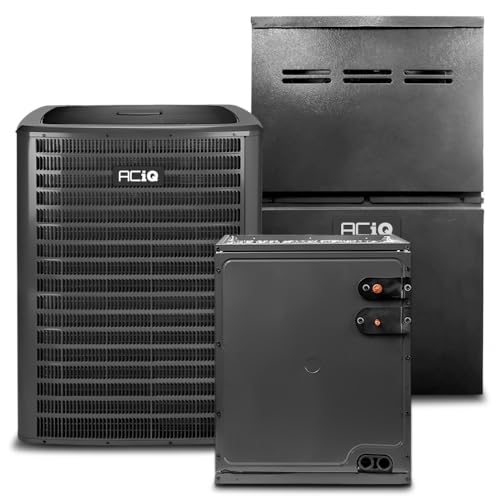
A 5 ton AC unit with gas furnace is a complete split-system HVAC setup. It combines two major components: an outdoor air conditioning condenser rated at 5 tons of cooling capacity (60,000 BTU per hour) and an indoor gas furnace that provides heating. The two share the same ductwork and blower assembly, which makes them a practical choice for homes that already have ducts or are being built with a central HVAC system.
The "5 ton" rating refers to cooling capacity, not weight. One ton of cooling equals 12,000 BTU per hour, so a 5-ton system delivers 60,000 BTU of cooling. This capacity is typically matched to large single-family homes, open floor plans, or homes in hot climates with significant heat gain. Because the system uses a gas furnace for heating, it is especially common in regions with cold winters where a heat pump alone may struggle to keep up.
Understanding the basics of how these systems operate is useful before diving into sizing and efficiency. If you are new to HVAC terminology, a good starting point is this overview of what an air conditioning system is and how its components work together.
How the System Works
A 5-ton AC with gas furnace operates as a paired system. In cooling mode, the outdoor condenser compresses refrigerant and releases heat outdoors, while the indoor evaporator coil absorbs heat from your home's air. The blower inside the furnace moves cooled air through the ductwork. In heating mode, the gas furnace burns fuel to warm air, and the same blower distributes that warm air through the same ducts.
Because both heating and cooling share the blower and duct system, proper installation and duct sizing are critical. A mismatched furnace blower or undersized ducts can reduce efficiency and comfort, even if the AC and furnace themselves are correctly rated. This is why load calculation and duct design should always come before product selection.
Is 5 Tons the Right Size for Your Home?
A 5-ton unit is one of the largest residential capacities commonly installed. As a rough rule of thumb, it suits homes around 2,500 to 3,500 square feet, but that figure varies widely based on climate, ceiling height, window area, insulation, and occupancy. A house in a hot, humid climate with poor insulation may need 5 tons at a smaller square footage, while a well-sealed home in a milder climate may need less.
Oversizing is a real risk. A 5-ton system that is too large for the load will cool the home quickly but may not run long enough to remove humidity, leading to a clammy feeling and higher energy use. Undersizing means the system runs constantly and struggles on the hottest days. The correct approach is a professional load calculation, often called a Manual J calculation, which accounts for your home's specific characteristics.
| Home Size (approx.) | Typical Capacity | Best For |
|---|---|---|
| Up to 1,500 sq ft | 1.5 – 2 tons | Small homes, apartments |
| 1,500 – 2,000 sq ft | 2 – 3 tons | Mid-size single-family homes |
| 2,000 – 2,500 sq ft | 3 – 4 tons | Larger homes, moderate climates |
| 2,500 – 3,500 sq ft | 4 – 5 tons | Large homes, hot climates |
| 3,500+ sq ft | 5 tons or multiple systems | Very large homes, zoned setups |
For a deeper look at capacity ranges, you can compare similar configurations such as a 4 ton AC unit with gas furnace or a smaller 3 ton AC unit with gas furnace to see how sizing scales. If your home is on the border between two sizes, a load calculation is the only reliable way to decide.
Efficiency Ratings Explained
When shopping for a 5-ton AC with gas furnace, two efficiency metrics matter most: SEER2 for cooling and AFUE for the furnace. SEER2 is the updated seasonal energy efficiency ratio used under current DOE standards. Higher SEER2 means more efficient cooling. AFUE (Annual Fuel Utilization Efficiency) measures how much of the gas burned is converted into usable heat; a higher AFUE means less waste.
Standard-efficiency systems typically fall in the lower SEER2 and AFUE ranges, while premium and high-end tier systems offer significantly better ratings. The right choice depends on your climate, how long you run the system each year, and whether utility rebates are available in your area. For a broader explanation of efficiency metrics, see this guide to energy efficiency ratings (SEER, EER, HSPF).
| Tier | Cooling Efficiency | Furnace Efficiency | Best For |
|---|---|---|---|
| Entry-level | Standard SEER2 | Standard AFUE | Mild climates, shorter cooling seasons |
| Mid-range | Above-standard SEER2 | Mid-tier AFUE | Most homes, balanced performance |
| Premium | High SEER2 | High-end AFUE | Hot or cold climates, long run times |
| Luxury / top-tier | Top-tier SEER2 | Top-tier AFUE | Maximum comfort, variable-speed systems |
Key Components of a 5 Ton AC with Gas Furnace
- Outdoor condenser: The 5-ton AC unit that releases heat outdoors. It houses the compressor, condenser coil, and fan.
- Indoor evaporator coil: Mounted on or inside the furnace, it absorbs heat from indoor air.
- Gas furnace: Burns natural gas or propane to heat air. Includes a heat exchanger, burner assembly, and flue.
- Blower and ductwork: Moves conditioned air throughout the home. Duct sizing directly affects comfort and efficiency.
- Thermostat: Controls both heating and cooling. A programmable or smart thermostat can improve efficiency. See options for a thermostat that controls heat and cool.
- Refrigerant lines and electrical: Connect the indoor and outdoor units and power the system.
Installation Considerations
Installing a 5-ton AC with gas furnace is not a DIY project. It involves refrigerant handling, gas line connections, electrical work, and duct modifications. A licensed HVAC contractor should perform a load calculation, inspect ductwork, verify electrical capacity, and confirm proper venting for the furnace.
Placement matters too. The outdoor condenser needs adequate clearance for airflow and should not be boxed in by fences or shrubs. The furnace should be located where the flue can vent safely and where the blower can connect efficiently to the duct system. If you are comparing system types, it helps to understand how a heating, ventilation, and air conditioning system is laid out in a typical home.
Before signing a contract, ask about permits, warranty terms, and whether the contractor will perform a commissioning check after installation. A proper startup includes verifying refrigerant charge, airflow, and temperature rise across the furnace.
Maintenance Tips for Long-Term Performance
Regular maintenance keeps a 5-ton system efficient and extends its lifespan. The most important tasks are simple: replace or clean air filters every one to three months, keep the outdoor unit clear of debris, and schedule annual professional service for both the AC and the furnace.
- Change air filters regularly to maintain airflow and indoor air quality.
- Clean the outdoor condenser coil annually to preserve heat transfer.
- Schedule a furnace tune-up before heating season, including a heat exchanger inspection.
- Check refrigerant levels and electrical connections during AC service.
- Seal and insulate ductwork in unconditioned spaces to reduce losses.
- Use a programmable thermostat to align run times with occupancy.
If you notice uneven cooling, strange noises, or rising energy use, address the issue early. Small problems in a large system can compound quickly. For guidance on system reliability and brand reputation, see this overview of most reliable central air conditioning systems.
How to Choose the Right 5 Ton System
Start with a load calculation, then match the equipment to your climate and budget tier. Consider these factors:
- Climate: Hot climates benefit from higher SEER2; cold climates benefit from higher AFUE.
- Duct condition: Leaky or undersized ducts can undermine even a premium system.
- Fuel availability: Natural gas is common, but propane is an option in rural areas.
- Noise: Variable-speed and two-stage systems run quieter and more evenly. See quiet air conditioner options.
- Smart features: Wi-Fi and zoning can improve comfort and control. Explore AC with Wi-Fi smart control.
- Brand and warranty: Compare air con brands and furnace companies for support and parts availability.
If you are also considering alternative heating options, a 5 ton AC unit with heat pump installed may be worth comparing, especially in milder climates where a heat pump can handle both heating and cooling.
Frequently Asked Questions
How many square feet does a 5-ton AC cool?
A 5-ton AC is typically matched to homes around 2,500–3,500 square feet, but the exact figure depends on climate, insulation, windows, and ceiling height. A professional load calculation is the only reliable way to confirm the right size.
What does "5 ton" mean for an AC unit?
It refers to cooling capacity. One ton equals 12,000 BTU per hour, so a 5-ton unit provides 60,000 BTU of cooling capacity. It is a measure of performance, not physical weight.
Can I pair a 5-ton AC with any gas furnace?
No. The furnace blower must be sized to match the airflow requirements of the 5-ton AC, and the system must be designed as a matched pair. A qualified contractor should verify compatibility and duct capacity.
Is a 5-ton AC with gas furnace efficient?
Efficiency depends on the specific models. Higher SEER2 and AFUE ratings indicate better efficiency. Premium and top-tier systems generally offer the best performance, especially in climates with long cooling or heating seasons.
How long does a 5-ton AC and furnace system last?
With proper installation and regular maintenance, a central AC typically lasts 12–15 years and a gas furnace 15–20 years. Maintenance frequency and climate play a large role in lifespan.
Should I choose a 4-ton or 5-ton system?
The right choice depends on your home's load calculation. A 4 ton AC unit with gas furnace may be sufficient for smaller or well-insulated homes, while a 5-ton system suits larger homes or hotter climates.
Ready to Explore 5 Ton AC Units with Gas Furnace?
Browse recommended systems, compare features, and find the right fit for your home.
VIEW RECOMMENDED SYSTEMS