5000 BTU Air Conditioner Energy Efficient: The Complete Guide
Everything you need to know about choosing an energy-efficient 5000 BTU air conditioner for small rooms, home offices, and compact living spaces — sizing, efficiency ratings, inverter technology, and installation tips.
Start ReadingWhy a 5000 BTU Air Conditioner Is the Smart Choice for Small Spaces
A 5000 BTU air conditioner is the smallest standard cooling capacity available for residential use, designed specifically for compact spaces up to approximately 150 square feet. For anyone cooling a bedroom, dorm room, home office, studio apartment, or sunroom, a 5000 BTU unit delivers the right balance of cooling power and energy efficiency without the wasteful overcapacity of larger systems.
Overcapacity is one of the most common mistakes in air conditioning selection. An oversized unit cools a room too quickly, cycling on and off repeatedly before it can properly dehumidify the air. This short cycling leaves the room feeling cold and clammy while putting unnecessary strain on the compressor. A properly sized 5000 BTU air conditioner runs in longer, more efficient cycles, removing humidity and maintaining consistent comfort.
Energy efficiency in this capacity class has improved dramatically. Modern 5000 BTU units routinely achieve CEER ratings above 11.0, with many ENERGY STAR certified models reaching 12.0 or higher. Inverter-driven mini-split systems in this range can achieve SEER2 ratings of 15 to 20+, rivaling the efficiency of much larger premium systems. This guide explains how to identify genuinely efficient models, what ratings actually mean, and which features deliver real savings over the life of the unit.
Quick Summary: A 5000 BTU air conditioner cools up to about 150 square feet. For energy efficiency, prioritize CEER 11.0+ (window units), SEER2 15+ (mini-splits), ENERGY STAR certification, and inverter compressors. Ensure the unit matches your room size, electrical circuit, and installation type.
Is 5000 BTU Right for Your Room? Sizing Guidelines
The BTU (British Thermal Unit) rating measures how much heat an air conditioner can remove from a space in one hour. As a general rule, 5000 BTU suits rooms up to roughly 150 square feet under standard conditions. However, several factors shift that baseline:
- Ceiling height: Rooms with ceilings above 8 feet require additional capacity. Add roughly 10% capacity for every extra foot of ceiling height.
- Sun exposure: West- or south-facing rooms with large unshaded windows gain more heat and may need 10–20% more capacity.
- Occupancy: Each additional person adds roughly 600 BTU of heat load. A home office with two occupants may push the limit of a 5000 BTU unit.
- Insulation and window quality: Poorly insulated rooms with single-pane windows lose cooling faster, requiring more capacity.
- Heat-generating appliances: Home offices with desktop computers, monitors, and printers generate supplemental heat that a 5000 BTU unit must overcome.
| Room Type | Typical Area | BTU Recommendation | Notes |
|---|---|---|---|
| Dorm room / studio | 80–120 sq ft | 5,000 BTU | Ideal match for 5000 BTU units |
| Small bedroom | 100–150 sq ft | 5,000–6,000 BTU | Choose 5000 BTU if well insulated |
| Home office | 100–150 sq ft | 5,000–8,000 BTU | Add capacity for electronics and occupants |
| Living room / open area | 150–250 sq ft | 6,000–8,000 BTU | 5000 BTU is typically undersized |
For a more precise calculation, consult a BTU calculator by room size or review the broader guide on how to size an air conditioner. If your room falls near the upper boundary, consider whether a slightly larger unit in the 6000 BTU ENERGY STAR window air conditioner category might deliver better long-term comfort.
Understanding Energy Efficiency Ratings for 5000 BTU Units
Energy efficiency ratings tell you how much cooling a unit delivers per unit of electricity consumed. For 5000 BTU air conditioners, the relevant rating depends on the unit type:
CEER Rating
The Combined Energy Efficiency Ratio combines standby power and active cooling efficiency. Look for CEER 11.0 or higher for ENERGY STAR qualification; top-tier models reach 12.0+. Higher CEER means less electricity for the same cooling output.
SEER2 Rating
SEER2 measures seasonal efficiency under updated DOE test procedures. For 5000 BTU mini-splits, SEER2 15 is entry-level efficiency, 18 is mid-range, and 20+ represents top-tier performance with inverter compressors.
CEER / SACC
Portable air conditioners use a single-duct or dual-duct configuration. Efficiency varies widely; dual-duct inverter models in the 5000 BTU class offer the best balance of portability and energy performance.
The difference between an entry-level CEER 10.5 unit and a premium CEER 12.5 unit is significant over a full cooling season, especially in climates with long summers. A higher-rated unit also typically features a more refined compressor, quieter operation, and better humidity control. For a deeper explanation of how these metrics work, read the guide on what a SEER rating is and how it compares to EER and CEER.
Inverter Technology: The Efficiency Game-Changer
Inverter compressors are the single most impactful efficiency feature available in 5000 BTU air conditioners today. Unlike traditional non-inverter compressors that run at full power and shut off when the set temperature is reached, inverter compressors vary their speed continuously to match the cooling demand. This produces several concrete benefits:
Advantages of Inverter 5000 BTU Units
- Up to 30–50% lower energy consumption in real-world use
- More stable room temperature with fewer fluctuations
- Quieter operation at partial load
- Better humidity control through longer run cycles
- Reduced compressor wear from eliminating on/off cycling
- Longer lifespan for the compressor and overall unit
Trade-offs to Consider
- Higher upfront position in the market compared to non-inverter models
- More complex electronics may require specialized repair
- Benefits are most pronounced in rooms with consistent, long cooling demand
- Some entry-level inverter models have limited feature sets
For a full comparison, see the article on inverter vs non-inverter AC. If you want to understand the underlying mechanics, the guide on how inverter AC works explains the compressor modulation process in detail.
Window, Portable, or Mini-Split: Which 5000 BTU Type Fits Your Space?
5000 BTU air conditioners are available in three primary form factors, each with distinct installation requirements, efficiency profiles, and best-use cases:
| Type | Best For | Efficiency Potential | Installation | Tier Positioning |
|---|---|---|---|---|
| Window AC | Double-hung windows, bedrooms, dorm rooms | CEER 11.0–12.5 | DIY, requires window bracket | Entry-level to mid-range |
| Portable AC | Renters, rooms without suitable windows | CEER 8.0–10.5 | No installation, vent kit required | Starter tier to mid-tier |
| Mini-Split | Permanent installations, noise-sensitive spaces | SEER2 15–22+ | Professional installation required | Mid-range to premium |
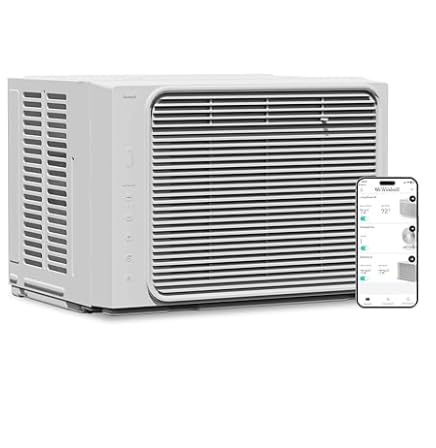
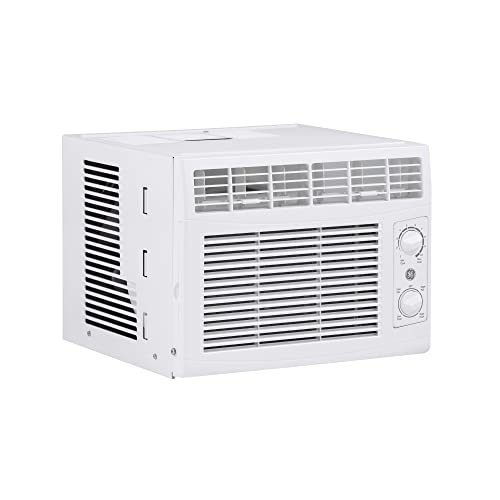
Window units remain the most popular choice for 5000 BTU applications because they are self-contained, relatively simple to install, and available at every tier from entry-level to premium. For renters or spaces without compatible windows, a portable air conditioner offers flexibility at the expense of some efficiency. For permanent installations where quiet operation and maximum efficiency matter, a ductless mini-split AC in the 5000 BTU range is the top-tier choice — though note that most mini-split systems start at 9,000 BTU, so true 5000 BTU mini-splits are a niche category.
Compare these options in more depth with the guides on window air conditioners and ductless vs ducted AC.
Features That Define a Truly Energy-Efficient 5000 BTU Unit
Beyond the headline efficiency rating, several features separate genuinely efficient units from those that merely meet minimum standards:
- ENERGY STAR certification: Confirms the unit meets or exceeds EPA efficiency thresholds for its class. Always verify the certification on the ENERGY STAR product database, not just the marketing label.
- Eco / energy-saver mode: Automatically adjusts fan and compressor behavior to reduce consumption when the room reaches the set temperature.
- Programmable or smart thermostat: Scheduling cooling for occupied hours only eliminates waste. Wi-Fi-enabled models allow remote control and usage monitoring.
- Sleep mode: Gradually raises the set temperature overnight, reducing compressor workload during sleep hours.
- Washable, high-MERV filters: Clean filters maintain airflow, which directly affects efficiency. A clogged filter forces the compressor to work harder for the same cooling output.
- Auto-restart and short-cycle protection: Prevents compressor damage and unnecessary power draws after outages.
- Follow-me remote sensing: Uses a remote thermostat to measure temperature near the occupant, improving comfort and reducing overcooling.
If smart control matters to you, explore the broader category of AC with Wi-Fi and smart control. For quiet operation priorities, see the guide on quiet air conditioners.
Installation and Electrical Requirements
One of the practical advantages of 5000 BTU air conditioners is their compatibility with standard household electrical systems. Most window and portable units in this capacity draw 4 to 5 amps and run on a standard 110V/120V circuit, meaning they plug into a regular 15-amp outlet without dedicated wiring.
Key installation considerations:
- Circuit sharing: Avoid sharing the circuit with high-draw appliances like microwaves or hair dryers. A 15-amp circuit can typically support a 5000 BTU AC plus low-draw electronics.
- Window support: Window units require proper support brackets, especially in older windows. Follow the manufacturer's installation instructions precisely to prevent sagging and air leaks.
- Weather sealing: Seal gaps around the window unit with foam insulation to prevent cooled air from escaping and hot air from entering.
- Placement: Shade the outdoor side of the unit when possible. Direct sun exposure on the condenser reduces efficiency significantly.
- Mini-split installation: Mini-splits require professional installation, including refrigerant line routing, vacuuming, and electrical work. Budget for this as part of the overall project.
For electrical specifics, read the guides on 110V vs 240V air conditioners and amps and breaker size for AC units. If you are installing a permanent system, review AC installation cost breakdown and whether you need an electrician for AC installation.
Maintenance Habits That Preserve Efficiency
Even the most efficient 5000 BTU air conditioner loses performance if neglected. Consistent maintenance protects the efficiency rating you paid for:
- Clean or replace the filter every 2–4 weeks during peak cooling season. A dirty filter is the single most common cause of efficiency loss. See how to clean an AC filter.
- Inspect and clean the condenser coils annually. Dust and debris on the outdoor coils force the compressor to work harder. Follow the guide on cleaning condenser coils.
- Check the drain pan and drainage path. Standing water promotes mold and reduces cooling effectiveness. See how to clean the drain pan.
- Seal window gaps before each cooling season to prevent air leakage around the unit.
- Schedule a professional inspection every 2–3 years for window units and annually for mini-splits. See annual service guidance.
Seasonal preparation matters too. Use a seasonal AC checklist to ensure nothing is missed before the first heat wave. For general efficiency practices, see how to reduce your AC electricity bill and ideal AC temperature settings.
Common Issues and When to Call a Technician
Small air conditioners are generally reliable, but a few issues appear frequently:
AC Not Cooling
Often caused by a dirty filter, low refrigerant, or a failing compressor. See the full troubleshooting guide for AC not cooling.
Water Leaking
Usually a blocked drain line or a unit that is not level. Review the guide on AC leaking water.
Short Cycling
Repeated on/off cycling can indicate an oversized unit, a dirty filter, or a refrigerant issue. See AC short cycling.
Fan Runs, No Cold Air
Points to a compressor or refrigerant problem. Read the guide on AC fan spinning but no cold air.
If the issue involves refrigerant, compressor components, or electrical faults, professional service is the right call. See when to call an HVAC technician and AC compressor replacement for context on repair decisions.
Choosing by Tier: Entry-Level, Mid-Range, and Premium Options
Rather than focusing on specific models or figures, it helps to understand what each tier of 5000 BTU energy-efficient air conditioner typically delivers:
Essential Tier
Basic window units with CEER around 11.0, mechanical or simple digital controls, washable filter, and standard compressor technology. Suitable for occasional use in small bedrooms or dorm rooms where advanced features are unnecessary.
Balanced Tier
ENERGY STAR certified units with CEER 11.5–12.0, digital thermostats, sleep mode, energy-saver functions, and quieter operation. Some inverter models enter this tier. A solid choice for daily use in home offices and primary bedrooms.
Top-Tier
Inverter-driven window units or compact mini-split systems with SEER2 18+, Wi-Fi control, follow-me sensing, advanced filtration, and premium build quality. Best for permanent installations and users who prioritize long-term efficiency and quiet comfort.
For specific product recommendations in this category, browse the curated selection below. For broader context on how 5000 BTU units fit into a full-home cooling strategy, the guide on AC for small apartments is a useful companion read.
Frequently Asked Questions
What size room does a 5000 BTU air conditioner cool?
A 5000 BTU air conditioner cools rooms up to approximately 150 square feet under standard conditions. Bedrooms, dorm rooms, small studios, and home offices are typical applications. Rooms with high ceilings, poor insulation, or strong sun exposure may need slightly more capacity.
Is a 5000 BTU air conditioner energy efficient?
Yes. Modern 5000 BTU units with CEER ratings above 11.0 and ENERGY STAR certification are genuinely energy efficient. Inverter models in this class achieve even higher seasonal efficiency. Because they cool smaller spaces, their total electricity consumption is lower than larger units serving the same room.
What SEER or CEER rating should I look for?
For window units, target CEER 11.0 or higher (ENERGY STAR threshold). Premium units reach 12.0+. For mini-splits, SEER2 15 is the entry point for efficiency, 18 is mid-range, and 20+ is top-tier. Higher ratings correlate with lower long-term energy use.
Can a 5000 BTU air conditioner run on a standard outlet?
Yes. Most 5000 BTU window and portable units draw 4–5 amps and operate on standard 110V/120V household circuits. They plug into a regular 15-amp outlet. Avoid sharing the circuit with high-draw appliances.
How long does a 5000 BTU air conditioner last?
With regular filter cleaning and annual coil inspection, expect 8–12 years of service. Mini-split systems often last longer due to better components and professional installation. Proper sizing and maintenance are the biggest factors in lifespan.
Is an inverter 5000 BTU AC better than a non-inverter model?
For daily use, yes. Inverter compressors modulate speed to match demand, reducing energy consumption by 30–50% in real-world conditions, maintaining more stable temperatures, and operating more quietly. Non-inverter units are simpler and may suit occasional-use scenarios.
Continue Learning
Explore related guides to make a fully informed decision:
- 5000 BTU air conditioner energy efficient — the current page
- 6000 BTU ENERGY STAR window air conditioner — the next step up in capacity
- How to size an air conditioner — avoid over- and under-sizing
- BTU calculator by room size — precise capacity calculation
- Inverter vs non-inverter AC — full efficiency comparison
- What is a SEER rating? — understand efficiency metrics
- ENERGY STAR certified AC — certification details
- AC for small apartment — studio and 1BR cooling strategies
- How to clean an AC filter — essential maintenance
- Reduce AC electricity bill — efficiency habits