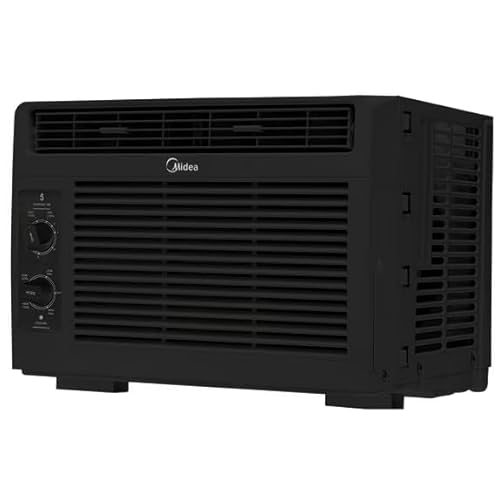
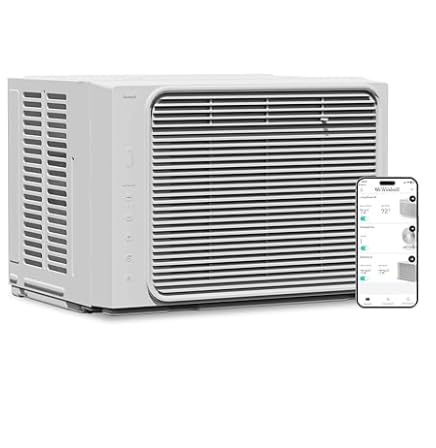
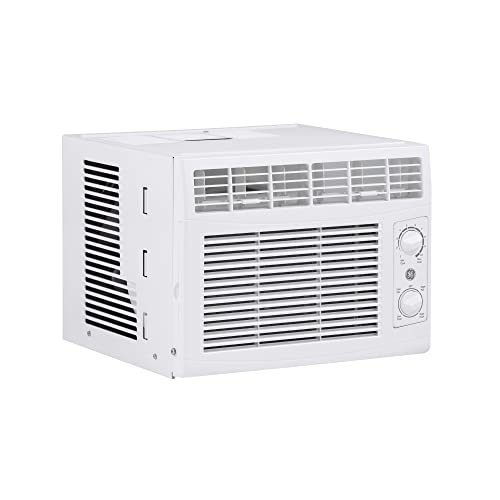
5000 BTU Air Conditioner for Sliding Window: The Complete Guide
Everything you need to know about choosing, sizing, and installing a 5000 BTU AC unit in a sliding window — from fit and efficiency to top-tier recommendations for small spaces.
START THE GUIDEWhy this guide matters: A 5000 BTU air conditioner is one of the most popular choices for cooling small rooms, but sliding windows present unique installation challenges. This guide walks you through compatibility, sizing, efficiency ratings, and practical installation tips so you can make a confident, informed decision before you buy.
What Makes a 5000 BTU AC Ideal for Small Rooms?
A 5000 BTU (British Thermal Unit) air conditioner is designed to cool small spaces efficiently. BTU is the standard measure of cooling capacity, and 5000 BTU is the entry point for most window and portable air conditioning units. This capacity is well-suited for rooms up to approximately 150 square feet — think a small bedroom, a home office, a studio apartment, or a dorm room.
Choosing the right capacity is critical. An undersized unit will struggle to cool the space, running continuously and wearing out faster. An oversized unit will cool the room too quickly, cycling on and off frequently, which leads to inconsistent temperatures and higher humidity. For a sliding window setup in a compact room, a 5000 BTU unit is often the balanced choice.
If you are still determining the correct capacity for your room, our detailed guide on how to size an air conditioner provides a step-by-step framework. For a quick reference, you can also explore the energy-efficient 5000 BTU window air conditioner options that are specifically designed for small-space cooling.
Are 5000 BTU ACs Compatible With Sliding Windows?
Yes — but compatibility depends on the unit's design and the window's opening mechanism. Sliding windows open horizontally (side-to-side), while most standard window air conditioners are designed for double-hung windows that open vertically. That means a standard unit may not sit securely in a sliding window without proper support.
To install a 5000 BTU air conditioner in a sliding window, you generally have three options:
- Sliding-window-specific AC models: Some manufacturers produce units with mounting hardware and frames designed for horizontal window tracks. These are the most reliable choice for a secure fit.
- Window bracket kits: A support bracket can hold the unit in place and distribute weight safely, reducing stress on the window frame and glass.
- Through-the-wall conversion: In some cases, a 5000 BTU through-the-wall air conditioner may be a better long-term solution if your sliding window setup cannot safely support a window unit.
Before purchasing, measure your window opening carefully — both width and height — and compare it with the manufacturer's minimum and maximum window dimensions. Also check the weight of the unit and whether your window frame can support it. If you are unsure, a professional installer can assess the setup and recommend the safest approach.
Sizing a 5000 BTU AC for Your Sliding Window Room
While 5000 BTU is the standard starting point, the actual cooling performance depends on more than square footage. Consider these factors when deciding whether a 5000 BTU unit is right for your space:
| Room Factor | Effect on Cooling Need |
|---|---|
| Room size (up to 150 sq ft) | 5000 BTU is typically sufficient for standard ceiling heights |
| Ceiling height above 8 ft | May require slightly more capacity due to larger air volume |
| Direct sun exposure | South- or west-facing rooms heat up faster; consider a unit with stronger airflow |
| Insulation quality | Poor insulation increases cooling load and may reduce effectiveness |
| Occupancy and heat sources | More people or electronics add heat; a 5000 BTU unit may struggle in heavily used rooms |
If your room is at the upper end of the 150 sq ft range or has challenging conditions, you may want to explore 8000–10000 BTU air conditioners for additional headroom. For a deeper dive into room-specific sizing, see our BTU calculator by room size.
Efficiency Ratings: What to Look For in a 5000 BTU Unit
Efficiency is a key consideration for any air conditioner, and 5000 BTU units are no exception. The two main ratings to understand are EER (Energy Efficiency Ratio) and CEER (Combined Energy Efficiency Ratio). CEER is the more comprehensive metric for window units because it factors in standby power consumption.
Higher ratings indicate better efficiency, meaning the unit converts more electricity into cooling. For 5000 BTU window units, efficiency can vary significantly between entry-level and premium models. If you want to minimize long-term energy use, look for models with competitive CEER ratings and consider features like:
- Inverter or variable-speed compressors: These adjust cooling output to match demand, reducing energy waste and improving temperature stability. Learn more in our inverter AC guide.
- Programmable timers and smart controls: Scheduling cooling cycles helps avoid unnecessary operation.
- Energy-saving modes: Many modern units automatically adjust fan speed and compressor operation for efficiency.
For a broader explanation of efficiency standards, see our article on what a SEER rating is and how it relates to window AC performance.
Installation Tips for Sliding Window AC Units
Proper installation is essential for safety, performance, and efficiency. A poorly installed unit can leak air, vibrate excessively, or even fall — especially in a sliding window where the opening mechanism is different from a double-hung window. Follow these guidelines:
- Measure the window opening and confirm the unit fits the manufacturer's specified range.
- Use a support bracket rated for the unit's weight to prevent sagging and stress on the frame.
- Ensure the unit tilts slightly outward so condensation drains properly.
- Seal gaps around the unit with foam insulation or weatherstripping to prevent air leaks.
- Check that the window can be secured in place to prevent accidental opening.
- Verify the electrical circuit can handle the unit's amperage — most 5000 BTU models use a standard 115V outlet.
- Consider professional installation if your window frame is fragile or the setup is complex.
For a complete installation overview, including electrical requirements and placement considerations, visit our installation guide. If you are unsure whether your home's electrical panel can support the unit, our article on checking your home electrical panel offers practical guidance.
Understanding Product Tiers: Entry-Level to Premium
When browsing 5000 BTU air conditioners for sliding windows, you will encounter models across different market tiers. Understanding these tiers helps you align your expectations with what each category offers — without focusing on specific figures.
| Tier | Typical Characteristics | Best For |
|---|---|---|
| Entry-Level | Mechanical controls, basic fan settings, standard efficiency, functional build | Basic cooling for occasional use in small rooms |
| Mid-Range | Digital controls, remote control, programmable timer, improved efficiency, quieter operation | Daily use in bedrooms or home offices where comfort and convenience matter |
| Premium | Inverter compressor, smart-home connectivity, advanced filtration, premium materials, very quiet operation | Users who prioritize energy efficiency, precise temperature control, and long-term durability |
Entry-level models are straightforward and functional, while mid-range options typically add digital controls and better efficiency. Premium-tier units often include inverter technology, smart features, and superior build quality for a more refined experience. Choose the tier that aligns with your usage patterns and feature priorities.
Keeping Your 5000 BTU AC Running Efficiently
Regular maintenance extends the life of your air conditioner and keeps it operating efficiently. For a 5000 BTU unit, the most important tasks are simple and can be done without professional help:
- Clean or replace the air filter every 2–4 weeks during peak season. A clogged filter restricts airflow and reduces cooling performance. See our guide on how to clean an AC filter.
- Inspect and clean the condenser coils annually. Dust and debris on the coils reduce heat transfer efficiency. Our article on cleaning condenser coils walks you through the process.
- Check the drain path. Ensure condensation drains freely and that the unit's slight outward tilt is maintained.
- Inspect the window seal. Replace weatherstripping if it becomes worn to prevent air leaks and energy waste.
- Schedule a seasonal checkup. Before summer, test the unit and clean it thoroughly. Our seasonal AC checklist covers everything you need.
If you notice reduced cooling, unusual noises, or water leaks, address them early. Our troubleshooting guides cover AC not cooling, AC leaking water, and AC making noise.
Frequently Asked Questions
Can I install a 5000 BTU air conditioner in a sliding window?
Yes, many 5000 BTU window air conditioners are compatible with sliding windows, but you need a model designed for horizontal window openings or an appropriate window bracket kit. Standard double-hung window units may not fit securely in a sliding window frame without additional support.
What size room does a 5000 BTU air conditioner cool?
A 5000 BTU air conditioner is generally suitable for rooms up to approximately 150 square feet, such as a small bedroom, home office, studio apartment, or dorm room. Factors like ceiling height, sun exposure, and insulation can affect actual cooling performance.
How many amps does a 5000 BTU air conditioner use?
Most 5000 BTU window air conditioners operate on a standard 115V household circuit and draw approximately 4 to 5 amps during normal operation. Always check the manufacturer's specifications and ensure your circuit can handle the startup surge.
Is a 5000 BTU AC energy efficient?
A 5000 BTU air conditioner can be energy efficient for small spaces because it cools a limited area without excessive cycling. Look for models with a competitive CEER or EER rating for the category, and consider inverter or variable-speed options for more precise temperature control and lower long-term energy use.
What is the difference between a sliding window AC and a regular window AC?
A sliding window air conditioner is designed to fit horizontally into a window that opens side-to-side, while a regular window AC is typically built for double-hung windows that open vertically. Sliding window AC units often require specific mounting brackets or support frames to ensure a safe and stable installation.
Explore Related Guides
If you are comparing options or planning a broader cooling setup, these related resources can help you make a well-rounded decision:
- 5000 BTU Window Air Conditioner (Energy Efficient) — for models focused on reducing energy use in small rooms.
- 5000 BTU Air Conditioner with Remote Control — for convenience and programmable comfort.
- 5000 BTU Air Conditioner Window Unit — a general overview of window-unit options in this capacity.
- 5000 BTU Portable Air Conditioner Room Size — if you are considering a portable alternative for a sliding window space.
- How to Size an Air Conditioner — a comprehensive sizing framework for any room.
- Installation Guide — step-by-step guidance for safe and effective installation.