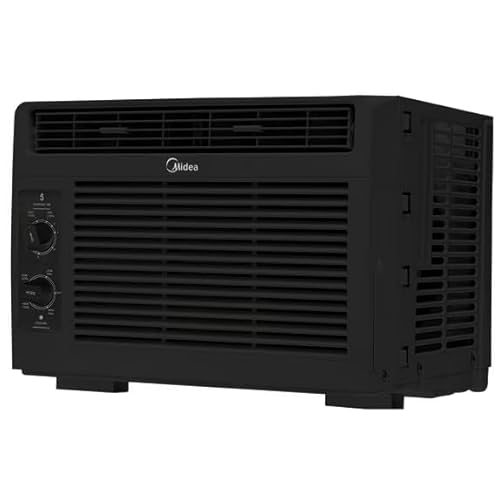
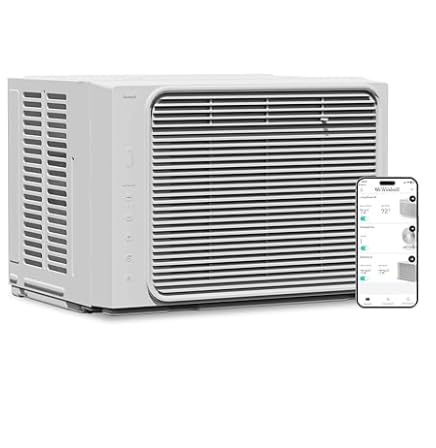
5000 BTU Window Air Conditioner Energy Efficient: The Complete Buyer's Guide
Everything you need to know before choosing a compact, energy-efficient window AC for a small room — sizing, efficiency ratings, features, installation, and maintenance.
VIEW RECOMMENDED MODELSWho this guide is for: If you are researching a 5000 BTU window air conditioner energy efficient model for a bedroom, home office, studio, or dorm room, you are in the right place. This guide explains how 5000 BTU capacity maps to real rooms, which efficiency metrics actually matter, the features worth prioritizing, and how to keep the unit performing at its best for years.
What a 5000 BTU Window Air Conditioner Really Delivers
BTU (British Thermal Unit) measures cooling capacity. A 5000 BTU window air conditioner is the entry point of the window AC category, designed to remove enough heat from a compact space to keep it comfortable during warm months. It is not a whole-home solution and it is not meant for open-plan living areas, but for the right room it is one of the most practical cooling appliances available.
Room Size and Real-World Coverage
The commonly cited guideline is that 5000 BTU suits rooms up to roughly 150 square feet. In practice, several variables shift that number up or down:
- Ceiling height: Standard 8-foot ceilings are assumed. Taller ceilings increase the air volume the unit must condition.
- Sun exposure: A west-facing room with large unshaded windows may need more capacity than the square footage suggests.
- Insulation quality: Older homes with weak insulation lose cooling faster, reducing effective coverage.
- Occupancy and heat sources: Multiple people, electronics, or kitchen appliances add heat load.
- Climate: In very hot, humid regions, a 5000 BTU unit may struggle near the top of its range.
If your room sits at the upper edge of the 150 square foot range and has heavy sun exposure, consider stepping up to an 8,000–10,000 BTU window AC instead. Oversizing is just as problematic as undersizing — a unit that cools too quickly will short-cycle and fail to dehumidify properly.
| Room Area | Recommended Capacity | Typical Space |
|---|---|---|
| Up to 150 sq ft | 5,000 BTU | Bedroom, dorm, small office |
| 150–250 sq ft | 8,000–10,000 BTU | Medium bedroom, studio |
| 250–400 sq ft | 12,000–14,000 BTU | Large bedroom, small living room |
| 400–600 sq ft | 18,000–24,000 BTU | Open living area, large master suite |
What Makes a 5000 BTU Window AC Energy Efficient
In the window AC category, efficiency is not just a marketing label — it is a set of measurable specs and design choices. When you are shopping for a 5000 BTU window air conditioner energy efficient model, focus on these concrete indicators.
CEER and EER Ratings
EER (Energy Efficiency Ratio) is the ratio of cooling output in BTU to electrical input in watts. CEER (Combined Energy Efficiency Ratio) is the modern standard that also accounts for standby power draw and other losses, making it a more realistic comparison across models. Higher numbers mean more cooling per unit of electricity. Within the 5000 BTU class, units with higher CEER values are the ones that will run more economically over a full season.
For a deeper explanation of how these ratings work and how they compare to SEER, see the guide on SEER ratings.
Inverter vs. Fixed-Speed Compressors
A traditional fixed-speed compressor cycles fully on and off, which causes temperature swings and repeated high-draw startups. Inverter compressors modulate speed continuously, holding the set temperature more steadily and using less energy in part-load conditions. For a small room that only needs partial cooling most of the time, an inverter model is a meaningful efficiency upgrade. Learn more in the inverter AC guide.
Eco Mode and Programmable Timers
Eco mode typically reduces compressor output or fan speed once the room reaches the target temperature, then ramps back up only when needed. Programmable 24-hour timers let you schedule cooling around your routine instead of running the unit continuously. Both features contribute to real-world energy savings that are not always visible on the rating label.
ENERGY STAR Certification
ENERGY STAR certified window ACs meet efficiency thresholds set above the federal minimum. If a 5000 BTU model carries the certification, it has been independently verified to perform at a higher efficiency level than baseline units in its class. Read more about ENERGY STAR certified AC requirements.
Higher CEER
More cooling per watt of electricity. The single most important efficiency spec in this category.
Inverter Compressor
Steady output, fewer on/off cycles, better partial-load efficiency and quieter operation.
Eco / Sleep Mode
Automatically adjusts fan and compressor behavior to reduce runtime once the room is cooled.
Programmable Timer
Schedule cooling only when you need it, avoiding unnecessary runtime.
Washable Filter
Easy-to-clean filter preserves airflow and keeps efficiency from degrading.
ENERGY STAR Label
Independent verification of above-baseline efficiency within the category.
Features Worth Prioritizing in a 5000 BTU Window AC
Beyond efficiency ratings, the day-to-day experience of owning a window AC depends heavily on how it is controlled and how quietly it runs. Here is what to look for, organized by tier so you can match features to your priorities.
Essential Tier Features
- Mechanical or digital controls: Digital controls offer more precise temperature setting and are easier to read.
- Multiple fan speeds: Low, medium, and high speeds let you balance cooling intensity against noise.
- Washable filter with easy access: A filter that slides out without tools makes routine maintenance realistic.
- Adjustable louvers: Directional airflow helps distribute cool air across the room rather than blasting one spot.
Mid-Tier Features
- 24-hour programmable timer: Set the unit to turn on before you arrive home or shut off after you fall asleep.
- Remote control: Convenient for adjusting settings from across the room, especially in a bedroom.
- Eco / energy-saver mode: Reduces runtime automatically once the target temperature is reached.
- Sleep mode: Gradually raises the set temperature overnight and lowers fan noise.
- Auto-restart after power outage: The unit resumes its previous settings when power returns.
High-End Tier Features
- Inverter compressor: Smoother, quieter, and more efficient partial-load operation.
- Wi-Fi and app control: Control the unit from your phone, integrate with smart home routines, or pair with a wireless AC thermostat.
- Voice assistant compatibility: Works with major smart speakers for hands-free adjustment.
- Follow-me remote with built-in sensor: The remote measures temperature near you and adjusts output accordingly.
- Dehumidification mode: Reduces humidity without full cooling, useful in shoulder seasons.
- Quiet operation below 50 dB: Important if the unit is in a bedroom or home office.
Installation and Electrical Considerations
A 5000 BTU window air conditioner is one of the simplest cooling appliances to install, but a few details determine whether it runs safely and efficiently.
Window Requirements
Most 5000 BTU units fit standard double-hung windows with a minimum width around 23 to 25 inches and a minimum height around 13 to 14 inches. Check the model's specification sheet for exact window dimensions before ordering. The unit should sit with a slight outward tilt so condensate drains properly without pooling.
Electrical Load
Most 5000 BTU window ACs operate on a standard 115-volt household circuit and draw roughly 4 to 5 amps. A dedicated 15-amp circuit is strongly recommended and often required by local codes. Avoid sharing the outlet with high-draw appliances like microwaves or space heaters. If you are unsure about your wiring, consult a licensed electrician. For context on voltage differences, see 110V vs 240V air conditioner.
Support and Safety
Use the manufacturer's window mounting kit and, for larger or heavier units, an exterior support bracket. Secure the unit so it cannot tip, and seal gaps around the window frame with weatherstripping to prevent cooled air from escaping and hot outdoor air from entering.
Maintenance That Keeps Efficiency High
Even the most energy-efficient 5000 BTU window AC will lose performance if it is neglected. A simple maintenance routine preserves cooling output and extends the life of the unit.
Routine Tasks
- Clean the filter every two weeks during peak season. Rinse it under running water and let it dry fully before reinstalling. A clogged filter restricts airflow and forces the compressor to work harder.
- Inspect the outdoor side of the unit for leaves, debris, or insect nests that block the condenser.
- Check the drain path to ensure condensate flows outward and does not pool inside the window frame.
- Wipe down the front grille and louvers with a damp cloth to prevent dust buildup.
- Remove and store the unit during the off-season, or cover it securely to prevent debris and moisture intrusion.
Seasonal Checks
- Before the cooling season, inspect the power cord and plug for damage.
- Verify that the window seal is intact and replace weatherstripping if it has compressed or cracked.
- Test the unit on each fan speed and confirm the thermostat responds correctly.
- If the unit is not cooling as it once did, check the filter first, then the condenser fins, before assuming a refrigerant issue.
Who Should Choose a 5000 BTU Window AC
This capacity class is ideal for:
- Renters who cannot install a central system or ductless mini-split.
- Bedroom cooling where only one room needs conditioning at night.
- Home offices where a single workspace needs reliable cooling during the day.
- Dorm rooms and small studios with limited square footage and standard windows.
- Supplemental cooling in a room that central air does not reach adequately.
If your space lacks a suitable window, explore alternatives like a portable air conditioner or a ductless mini-split AC. For rooms without any exterior wall opening, a windowless air conditioner may be the practical route.
Recommended 5000 BTU Window Air Conditioners
The models below are organized by tier so you can match features and efficiency to your priorities. All are designed for rooms up to roughly 150 square feet and are suitable for bedrooms, home offices, and small studios.
Entry-Level Tier: Straightforward Cooling
Entry-level 5000 BTU window ACs focus on the essentials: reliable cooling, mechanical or basic digital controls, and a washable filter. They are a solid choice if you need dependable cooling for a small room and do not require advanced scheduling or smart features. Efficiency is typically baseline, so look for a model with a higher CEER among this group.
Mid-Range Tier: Balanced Efficiency and Convenience
Mid-range models add digital thermostats, programmable timers, eco mode, and remote controls. This tier is where most buyers find the best overall experience: efficiency is competitive within the category, and the convenience features meaningfully improve daily use. If you want a unit that runs economically and is easy to live with, start here.
Premium Tier: Quiet Operation and Smart Control
Premium 5000 BTU window ACs typically feature inverter compressors, lower noise levels, Wi-Fi app control, and voice assistant compatibility. They are well-specified for the category and suited to buyers who prioritize quiet operation in a bedroom or want the unit integrated into a smart home routine.
For a broader view of small-room cooling options, see the guide on AC units for small rooms.
Frequently Asked Questions
What size room does a 5000 BTU window air conditioner cool?
A 5000 BTU window air conditioner is generally designed for rooms up to about 150 square feet, such as a bedroom, home office, small studio, or dorm room. Factors like ceiling height, sun exposure, and insulation can shift the effective coverage.
Is a 5000 BTU window AC energy efficient?
Yes. Because 5000 BTU units cool a small space with modest compressor load, they often achieve competitive CEER and EER ratings within their class. Choosing a model with a higher CEER value, inverter or eco mode, and a programmable thermostat improves long-term efficiency.
How many amps does a 5000 BTU window air conditioner use?
Most 5000 BTU window units draw roughly 4 to 5 amps on a 115-volt circuit, which typically works with a standard 15-amp household outlet. Always confirm the rating label and use a dedicated circuit where possible.
Does a 5000 BTU window AC need a dedicated circuit?
A dedicated circuit is strongly recommended, and in many homes it is required by local electrical codes for fixed cooling appliances. Sharing a circuit with high-draw devices can cause breaker trips and overheating.
How often should the filter be cleaned on a 5000 BTU window AC?
Clean or rinse the washable filter every two weeks during peak cooling season, and inspect it monthly in lighter use. A clean filter preserves airflow, keeps efficiency high, and reduces strain on the compressor.
Ready to Choose Your 5000 BTU Window AC?
Use the product recommendations below to compare models by tier, features, and efficiency — then pick the one that fits your room and your routine.
VIEW RECOMMENDED MODELS