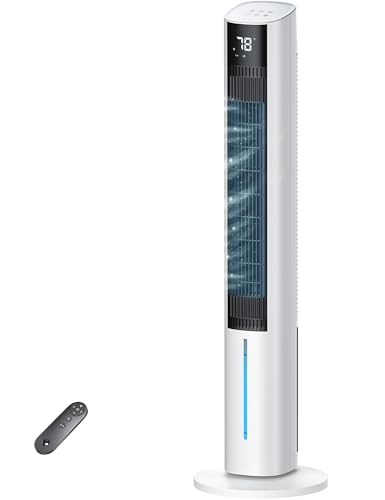
Windowless Air Conditioner: Cooling Without Windows
Discover how to effectively cool rooms that lack traditional windows. Explore ventless systems, portable solutions, and expert installation advice for windowless spaces.
Explore SolutionsWhy Windowless Cooling Matters: Many basements, server rooms, interior offices, and converted spaces lack proper windows. A standard window AC unit is not an option here. This guide explains the available technologies and helps you choose the right system for your specific windowless environment.
What Is a Windowless Air Conditioner?
A windowless air conditioner is a cooling system designed to operate without requiring a traditional window opening for exhaust or mounting. Unlike standard window units, these systems use alternative methods to expel heat, such as ducting through a wall, utilizing a dedicated vent, or employing evaporative cooling technology. They are essential for rooms where installing a window unit is impossible or impractical.
These systems are also referred to as windowless air conditioners or ventless AC units. They provide a practical solution for interior rooms, basements, and spaces where architectural constraints prevent standard installation.
Types of Windowless Air Conditioners
Several technologies fall under the windowless category. Each has distinct advantages and ideal use cases:
1. Ductless Mini-Split Systems
Mini-splits use a small wall-mounted indoor unit connected to an outdoor compressor via a refrigerant line. Only a small hole (about 3 inches) is needed through an exterior wall, not a window. This makes them ideal for apartments without windows or rooms where window access is blocked. They are highly efficient and quiet, often qualifying as ductless mini-split AC solutions.
2. Portable AC Units with Alternative Venting
Standard portable ACs require a window kit for exhaust. However, some models can be vented through a wall or a dedicated dryer-style vent. For truly windowless rooms, look for units designed for portable AC without window vent configurations. These are less efficient than mini-splits but offer flexibility and easier installation.
3. Through-the-Wall AC Units
These units are installed directly into an exterior wall, similar to a window unit but without the window. They are permanent fixtures and provide strong cooling for a single room. They are a solid choice for apartments with no windows that have an accessible exterior wall.
4. Evaporative Coolers (Swamp Coolers)
These units use water evaporation to cool air and do not require an exhaust vent. They work best in dry climates and are not suitable for humid environments. They are a unique category of windowless air conditioner that relies on a different principle than refrigerant-based systems.
How Windowless AC Systems Work
Understanding the mechanics helps you choose the right system:
- Mini-Splits: Refrigerant circulates between indoor and outdoor units. Heat is absorbed indoors and released outdoors via a small wall penetration.
- Portable Units with Wall Venting: These units pull in room air, cool it, and exhaust hot air through a duct connected to a wall vent.
- Through-the-Wall Units: Similar to window units but mounted in a sleeve within the wall. They exhaust heat directly outside.
- Evaporative Coolers: A fan pulls warm air through water-saturated pads, cooling it by evaporation. No exhaust duct is needed; they increase humidity.
For a broader comparison of cooling without traditional windows, see our guide on windowless air conditioning units.
Sizing and Selecting the Right Unit
Choosing the correct capacity is critical for comfort and efficiency. Use the following guidelines:
- Room Size: Measure length × width to get square footage. A general rule is 20 BTU per square foot for average rooms.
- Ceiling Height: For ceilings over 8 feet, increase capacity by 10% per foot.
- Insulation and Sun Exposure: Poorly insulated or sun-baked rooms need more capacity.
- Occupancy: Add 600 BTU per person beyond two occupants.
For a detailed calculation, refer to our how to size an air conditioner guide. Many windowless units are available in capacities ranging from 8,000 to 24,000 BTU. Ensure the unit's tier (entry-level, mid-range, premium) aligns with your expected usage and durability requirements.
Installation Considerations for Windowless Spaces
Proper installation is key to performance and safety:
- Mini-Split: Requires a professional installer to handle refrigerant lines and electrical work. A small 3-inch hole through an exterior wall is needed.
- Portable with Wall Vent: You may need to create a vent opening through a wall or use an existing dryer vent. Ensure the vent is properly sealed when not in use.
- Through-the-Wall: Requires cutting a sleeve into the wall. Best installed by a professional, especially in load-bearing walls.
- Evaporative Cooler: Needs a water supply and a location with adequate airflow. Usually placed near an open door or with ducting for larger spaces.
Always check local building codes and, for refrigerant-based systems, ensure EPA certification for handling refrigerants. For electrical requirements, see our 110V vs 240V guide.
Maintenance Tips for Windowless AC Units
Regular maintenance extends the life and efficiency of your system:
- Clean or replace filters every 1–3 months.
- Keep the outdoor unit (for mini-splits) free of debris.
- For portable units, empty the drain tank regularly and clean the evaporator coils.
- Schedule annual professional servicing for mini-splits and through-the-wall units.
For a complete checklist, see our seasonal AC checklist.
Comparison of Windowless AC Options
| Type | Best For | Efficiency Tier | Installation Complexity |
|---|---|---|---|
| Ductless Mini-Split | Whole-room cooling, quiet operation | High-end tier | Professional required |
| Portable with Wall Vent | Renters, temporary setups | Mid-tier | Moderate (DIY possible) |
| Through-the-Wall | Permanent room cooling | Mid-range | Professional recommended |
| Evaporative Cooler | Dry climates, open spaces | Essential tier | Low (plug-and-play) |
For more details on specific models and reviews, explore our windowless portable air conditioner reviews.
Common Problems and Troubleshooting
Windowless units can experience issues similar to standard ACs. Here are quick fixes:
- Not cooling: Check filters, refrigerant levels (for mini-splits), and vent seals. See our guide on AC not cooling solutions.
- Water leaks: Empty drain tanks and check for blockages. Refer to AC leaking water solutions.
- Noise: Ensure the unit is level and clean fan blades. See AC making noise solutions.
- Odors: Clean or replace filters and clean the evaporator coil. Read AC smells bad solutions.
For persistent issues, consult a qualified HVAC technician. Find local help through our HVAC contractor directory.
Frequently Asked Questions
Can a portable AC work without a window?
Standard portable ACs need a window for exhaust. However, some models can be vented through a wall or existing dryer vent. Look for units specifically designed for windowless operation without exhaust hose.
What is the best windowless AC for a basement?
A ductless mini-split is often the best choice for basements due to its efficiency and quiet operation. Through-the-wall units are also viable if an exterior wall is accessible. For a comprehensive guide, see our article on windowless air conditioners.
How do I vent a portable AC in a windowless room?
You can vent through a wall using a vent kit or utilize an existing dryer vent. Ensure the vent is properly sealed to prevent hot air from re-entering. For step-by-step instructions, refer to our guide on portable AC without window vent.
Are windowless AC units energy efficient?
Mini-splits are generally the most efficient, with high SEER ratings. Portable units are less efficient but offer flexibility. Through-the-wall units vary. Check the SEER rating and look for ENERGY STAR certification for the best efficiency.
Ready to Cool Your Windowless Space?
Now that you understand the options, you can make an informed decision. Whether you choose a ductless mini-split, a portable unit with wall venting, or a through-the-wall system, proper sizing and installation are key. Explore our recommended products below to find the right fit for your needs.