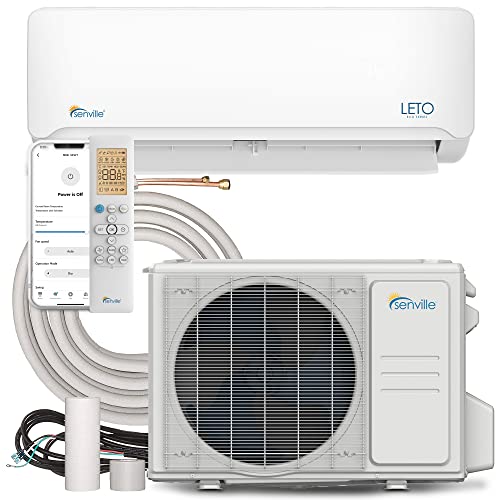
6000 BTU Mini Split: The Perfect Comfort Solution for Small Spaces
Discover why a 6000 BTU ductless system is the ideal choice for efficient, targeted cooling and heating in compact rooms. Learn everything you need to make an informed decision before you buy.
Start Your ResearchWhy a 6000 BTU Mini Split? If you have a small, enclosed space that never seems to reach the right temperature, a 6000 BTU mini split offers a highly efficient and comfortable solution. Unlike central air, these systems provide precise, room-by-room control, ensuring you cool or heat only the space you need without wasting energy on the rest of the house.
Understanding 6000 BTU Mini Split Systems
A 6000 BTU mini split is a type of ductless air conditioning system designed to cool a single, small room. The "6000 BTU" refers to its cooling capacity in British Thermal Units, making it one of the smallest and most energy-conscious options available for residential use. These systems consist of two main components: an indoor air-handling unit and an outdoor compressor/condenser unit.
What sets mini splits apart is their ability to provide targeted comfort. Instead of forcing air through a network of ducts, a mini split delivers cooled or heated air directly into the room. This design eliminates the energy losses associated with ductwork and allows for independent temperature control in different zones of a home. For a compact bedroom or a dedicated home office, this level of control is both comfortable and efficient. Many modern 6000 BTU units also utilize inverter technology, which allows the compressor to run at variable speeds rather than just on or off. This not only maintains a more consistent room temperature but also significantly reduces energy consumption.
Is a 6000 BTU Mini Split Right for Your Room?
The most critical step in choosing any air conditioner is matching its capacity to the size of the space. A 6000 BTU mini split is generally best suited for rooms of approximately 150 to 250 square feet. To ensure optimal performance, you should also consider factors like ceiling height, window area, insulation quality, and the number of occupants or heat-generating appliances in the room.
Here are some ideal applications for this capacity:
- Small to Medium Bedrooms: Perfect for creating a personalized sleeping environment.
- Home Offices: Keep your workspace comfortable without cooling the entire house.
- Studio Apartments: An efficient way to manage comfort in a single, open-plan living space.
- Sunrooms or Additions: Provide climate control for spaces that are often poorly served by central HVAC systems.
- Attic or Basement Rooms: Offer a ductless solution for spaces where extending ductwork would be impractical.
If your room is significantly larger, a higher-capacity unit may be necessary. For comparison, an 8000 BTU air conditioner is typically rated for spaces up to 350 square feet. Conversely, if your space is smaller, such as a tiny home office, a 5000 BTU AC might be a more appropriate and efficient choice.
Key Features to Look For in a 6000 BTU Mini Split
Beyond capacity, several features can significantly impact the performance, longevity, and user experience of your mini split system. Focusing on these details will help you choose a high-quality model.
| Feature | Why It Matters | Ideal for... |
|---|---|---|
| SEER Rating | A higher SEER (Seasonal Energy Efficiency Ratio) rating means greater energy efficiency. Modern ENERGY STAR certified units offer top-tier efficiency. | Lowering long-term energy use and environmental impact. |
| Inverter Technology | Allows the compressor to adjust its speed precisely, maintaining a stable temperature and using less energy compared to traditional on/off compressors. | Consistent comfort and energy savings. |
| Heat Pump Function | Provides both cooling and heating, making the unit a year-round solution for climate control. | Year-round comfort in a single, compact unit. |
| Wi-Fi & Smart Control | Enables remote control via a smartphone app or voice assistants, offering convenience and the ability to manage energy use from anywhere. | Modern homes and tech-savvy users. |
| Noise Level (dB) | Quieter operation is crucial for bedrooms and offices. Look for units with a low decibel rating on their lowest fan setting. | Bedrooms, nurseries, and home offices. |
| Filtration System | A multi-stage filter, often including a washable mesh and a high-density or HEPA filter, can improve indoor air quality by trapping dust, allergens, and other particles. | Allergy sufferers and those concerned with air purity. |
Deciding between a 9000 BTU mini split and a 6000 BTU model often comes down to a careful assessment of your room's size and heat load. A smaller unit is more efficient for small spaces, while an oversized unit will short-cycle, leading to poor dehumidification and increased wear.
Installation and Maintenance Essentials
Proper installation is paramount for the performance and longevity of a mini split system. While DIY kits exist, they are often discouraged for high-end models due to the complexities of handling refrigerant. Professional HVAC technicians have the tools and expertise to ensure the system is installed correctly, including proper line-set routing, vacuuming, and refrigerant charging. It is a worthwhile investment that protects your warranty and ensures optimal efficiency.
Maintenance, on the other hand, is something a homeowner can largely handle. The most important task is to clean or replace the air filters regularly, typically every one to three months. A clogged filter restricts airflow, forcing the system to work harder and reducing its efficiency. You should also keep the outdoor unit clear of debris like leaves and dirt, and periodically check the condensate drain line to prevent clogs. A simple seasonal checklist can help you keep your unit running smoothly for years.
Choosing Your Tier: Entry-Level vs. Premium
The market for 6000 BTU mini splits is divided into distinct tiers, each catering to different priorities. Understanding these tiers can help you align your purchase with your needs.
- Entry-Level Tier: These units are typically single-zone, non-inverter models with basic features. They are a solid choice for a secondary room where comfort is needed but advanced features are not a priority. They are functional and meet standard efficiency requirements.
- Mid-Range Tier: This is the sweet spot for most homeowners. These models often feature inverter technology, higher SEER ratings, quieter operation, and sometimes basic smart-home connectivity. They offer a great balance of performance, features, and long-term efficiency.
- High-End Tier: Flagship models are the most feature-rich. They boast the highest SEER ratings, whisper-quiet operation, advanced multi-stage filtration, and full smart-home integration. They are designed for maximum comfort, convenience, and energy savings.
For a system that will be the primary comfort source in a frequently used room, investing in a mid-range or high-end model often pays off through greater reliability and lower energy use over time.
Frequently Asked Questions
What size room is ideal for a 6000 BTU mini split?
A 6000 BTU mini split is generally designed to cool a room ranging from 150 to 250 square feet. This makes it an excellent choice for a small bedroom, a home office, a studio apartment, or a sunroom, provided the space has standard ceiling heights and typical insulation.
Can a 6000 BTU mini split be used for heating as well?
Yes, many 6000 BTU mini splits are actually heat pumps, meaning they can provide both cooling in the summer and heating in the winter. When selecting a unit, look for the term 'heat pump' in the product description to ensure it offers dual functionality.
Do I need a professional to install a 6000 BTU mini split?
Yes, professional installation is highly recommended. Mini splits involve handling refrigerant lines, which requires specialized tools and EPA certification. Proper vacuuming and charging of the lines are critical for the system's efficiency and longevity, and mistakes can void the manufacturer's warranty.