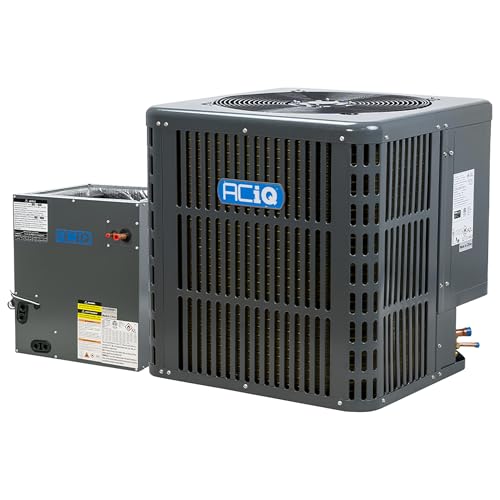
AC Condenser Unit: The Complete Guide to Your Outdoor Cooling System
Understand how the condenser unit works, what each component does, how to size and maintain it, and how to recognize the warning signs that it needs attention before a small issue becomes a system failure.
START LEARNINGWhy the condenser matters: The condenser unit is the half of your air conditioning system that lives outside. It does the heavy lifting of moving heat from inside your home to the outdoor air. If it underperforms, your indoor comfort drops, your energy use climbs, and the compressor works harder than it should. This guide covers everything a homeowner or buyer needs to know before installation, replacement, or troubleshooting.
What Is an AC Condenser Unit?
An AC condenser unit is the outdoor cabinet of a split-system air conditioner. It contains the compressor, the condenser coil, the condenser fan, and the electrical controls that coordinate the cooling cycle. While the indoor air handler or furnace moves air across the evaporator coil, the outdoor condenser releases the heat that was absorbed indoors into the surrounding air.
The condenser is part of a sealed refrigerant loop. Refrigerant leaves the indoor coil as a low-pressure gas, is compressed by the compressor into a hot high-pressure gas, and then passes through the condenser coil. The condenser fan pulls outdoor air across the coil, removing heat and causing the refrigerant to condense into a liquid. That liquid travels back indoors through the line set to repeat the cycle.
Because the condenser sits outdoors, it is exposed to sun, rain, debris, and seasonal temperature swings. That exposure is why placement, clearance, and routine cleaning matter so much. A clean, well-positioned condenser transfers heat efficiently and keeps compressor load within the range the system was designed for.
Key Components Inside the Outdoor Unit
Each part of the condenser plays a specific role in rejecting heat. Understanding these components helps you communicate with a technician and spot problems early.
Compressor
The heart of the system. It raises refrigerant pressure and temperature so heat can be released outdoors. Compressor failures are among the most serious and costly condenser repairs, which is why proper airflow and clean coils protect your investment.
Condenser Coil
A network of finned tubing that transfers heat from the refrigerant to the outdoor air. Dirty or bent fins reduce heat rejection and force the compressor to work harder. Regular coil cleaning is one of the highest-impact maintenance tasks.
Condenser Fan
The large fan on top of the cabinet pulls air through the coil. A fan that spins but does not cool, or one that is silent when the compressor runs, signals a motor, capacitor, or control issue that should be checked promptly.
Contactor and Capacitor
These electrical parts switch power to the compressor and fan and provide the starting torque the motors need. A failing capacitor is a common cause of a unit that hums but will not start.
Service Valves and Line Set Connections
These points connect the outdoor unit to the indoor coil. Leaks at the service valves are a frequent source of low refrigerant charge and reduced cooling performance.
Cabinet and Base Pan
The housing protects internal parts from weather and debris. A rust-proof finish and a properly drained base pan help extend the life of the unit, especially in humid or coastal climates.
How the Condenser Fits Into the Cooling Cycle
The cooling cycle is a continuous loop with four main stages: compression, condensation, expansion, and evaporation. The condenser is responsible for the condensation stage. Heat absorbed indoors is carried by refrigerant to the outdoor unit, where the compressor raises its pressure and temperature. The condenser fan then moves outdoor air across the coil, and the refrigerant releases heat and turns into a liquid.
If you want a broader explanation of the full loop, the AC components overview walks through each part of the system. For the compressor specifically, the compressor guide explains how it interacts with the condenser coil and what happens when pressure is out of range.
In a heat pump system, the condenser and evaporator roles reverse in heating mode. The outdoor unit becomes the evaporator and absorbs heat from cold outdoor air. This is why heat pump condensers are built with reversing valves and defrost controls that standard cooling-only condensers do not have.
Condenser Unit Types and Market Tiers
Condensers are not one-size-fits-all. They differ by system type, efficiency class, and build quality. The table below groups common condenser categories by tier so you can compare them on capability rather than on numerical pricing.
| Tier | Typical Characteristics | Best For |
|---|---|---|
| Entry-level | Single-stage compressor, standard coil, basic cabinet finish | Rentals, mild climates, short-term cooling needs |
| Mid-range | Two-stage or scroll compressor, improved coil design, quieter fan | Most single-family homes with average cooling loads |
| Premium | Variable-speed compressor, high-efficiency coil, weather-resistant coating | Hot climates, large homes, homeowners focused on long-term efficiency |
| Top-tier | Fully modulating compressor, advanced controls, heavy-duty cabinet, sound insulation | Luxury homes, near-silent operation requirements, extreme climates |
Premium and top-tier condensers generally offer smoother capacity modulation and better humidity control than entry-level units. The trade-off is a more complex control system that benefits from professional commissioning. For most buyers, a mid-range two-stage unit is a balanced choice, while a premium variable-speed unit is a solid long-term investment for hot climates.
Sizing the Condenser Correctly
An oversized condenser short-cycles, which means it cools the air quickly but does not run long enough to remove humidity. An undersized condenser runs constantly and struggles to reach the setpoint on hot days. Both scenarios increase wear and reduce comfort. Correct sizing starts with a room-by-room heat load calculation rather than a rule of thumb based only on square footage.
For a practical starting point, the AC sizing guide explains the factors that affect capacity, and the BTU calculator by room size helps you estimate the load before consulting a technician. If you are comparing replacement options, the condenser replacement for home page covers the decision points between repairing an older unit and installing a new one.
Keep in mind that the condenser must be matched to the indoor coil and air handler. A mismatched system can lose efficiency and may void manufacturer warranties. Always confirm the matched system rating before signing an installation contract.
Placement and Clearance Guidelines
The condenser needs unobstructed airflow to reject heat. Common placement mistakes include tucking the unit into a tight corner, surrounding it with fencing, or placing it under a deck with limited vertical clearance. As a general rule, keep at least two feet of clearance on all sides and five feet above the fan discharge. Check the manufacturer's installation manual for the exact figures, since they vary by model.
- Sun exposure: Shade can help efficiency, but do not block airflow to create shade.
- Ground level: The unit should sit on a level pad that keeps the base pan above standing water.
- Debris sources: Avoid placement directly under trees that drop leaves, seeds, or sap onto the coil.
- Service access: Leave room for a technician to reach the electrical panel and service valves.
- Noise: Position the unit away from bedroom windows and property lines where local codes require setbacks.
Maintenance That Protects the Condenser
Routine maintenance is the single most effective way to extend condenser life and keep efficiency steady. Most tasks are simple and can be done by a homeowner, while refrigerant and electrical checks should be left to a licensed technician.
Seasonal Condenser Maintenance Checklist
- Clear leaves, grass clippings, and debris from around and inside the cabinet.
- Rinse the condenser coil with a garden hose from the inside out, using low pressure.
- Straighten bent coil fins with a fin comb if airflow is visibly restricted.
- Check that the fan spins freely and that the top grille is secure.
- Inspect the base pan and drain openings for standing water or rust.
- Trim vegetation to maintain the clearance specified in the manual.
- Schedule a professional inspection to check refrigerant charge, electrical connections, and capacitor health.
If the unit is making unusual noises, the guide to loud buzzing in condenser units explains likely causes and when to stop running the system. If the fan runs but the air is not cold, the condenser fan troubleshooting page walks through the diagnostic sequence.
Maintenance tip: Rinse the coil when the unit is powered off, not while the fan is running. Water sprayed into a spinning fan can damage the motor and splash debris into the electrical compartment.
Common Warning Signs to Watch For
Condensers rarely fail without warning. Early signals include reduced cooling, a fan that runs longer than usual, ice on the indoor coil, or warm air from the outdoor fan. Loud buzzing, grinding, or clicking sounds point to electrical or mechanical problems that should be inspected before they escalate.
- Ice on the indoor coil or refrigerant lines: often a sign of low refrigerant charge or restricted airflow.
- Warm air from the outdoor fan: can indicate a compressor or reversing valve issue in heat pump systems.
- Frequent breaker trips: a sign of a failing compressor, contactor, or short circuit.
- Water pooling around the unit: a blocked drain or a base pan that is not draining properly.
- Rattling cabinet panels: loose fasteners that can vibrate and wear through components.
Repair vs Replacement Decision
When a condenser fails, the decision between repair and replacement depends on age, efficiency, refrigerant type, and the cost of the failed component relative to a new system. Compressor failures on older units often tip the balance toward replacement, while a failed capacitor or contactor is usually a straightforward repair.
If your current unit uses an older refrigerant that is being phased out, replacement may be the more practical long-term path. The R410A phase-out guide explains how refrigerant regulations affect repair and replacement choices. The condenser replacement overview also covers what to expect during the changeout process.
Energy Efficiency Considerations
Condenser efficiency is expressed through SEER and EER ratings. Higher-rated units use less energy for the same cooling output, but the savings depend on climate, duct quality, and installation. The SEER rating guide explains how the rating is calculated, while the ENERGY STAR guide covers the certification thresholds for modern equipment.
Efficiency is not only about the rating on the label. A high-efficiency condenser connected to leaky ducts or a mismatched indoor coil will underperform. Insulation, duct sealing, and correct refrigerant charge all contribute to the real-world efficiency of the system.
Buying a Condenser Unit: What to Compare
When comparing condenser options, focus on system type, stage of operation, coil construction, cabinet durability, sound level, and warranty terms. The condenser unit overview and the broader AC types guide help you map those features to your home's cooling load and climate.
- Compressor stages: single-stage, two-stage, or variable-speed — match to comfort and humidity needs.
- Coil construction: copper tubing with aluminum fins is common; premium coatings improve corrosion resistance.
- Cabinet durability: look for powder-coated or rust-resistant finishes in humid and coastal areas.
- Sound rating: measured in decibels; premium units typically run quieter than entry-level models.
- Warranty: compare compressor and parts coverage, and confirm that installation by a licensed contractor is required to maintain coverage.
Frequently Asked Questions
What is an AC condenser unit?
It is the outdoor part of a split air conditioning system. It houses the compressor, condenser coil, and fan, and releases heat absorbed indoors into the outdoor air.
How long does a condenser unit last?
With correct installation and regular maintenance, a quality condenser typically lasts 12 to 20 years. Coastal salt air and neglected coil cleaning shorten that lifespan.
Can I cover my condenser in winter?
If the system is not used for heating, a breathable cover can keep debris out. Never wrap the unit in a sealed tarp, and never cover a heat pump that operates in winter. The winter cover guide explains the correct approach.
Why is my condenser making a loud buzzing noise?
Buzzing often points to a failing contactor, a stuck compressor, or a fan motor drawing too much current. Shut the system off at the breaker and have a technician inspect it before running it again.
Should I replace the condenser and indoor coil together?
In most cases yes. A matched system preserves efficiency and warranty coverage. Replacing only the outdoor unit can leave you with a mismatched system that underperforms.
Ready to Compare Condenser Options?
Use the recommendations above to narrow your list, then review the product section below to explore condenser units that match your home's cooling load and efficiency goals.
VIEW RECOMMENDED UNITS