Air Conditioning Unit Not Blowing Cold Air
A step-by-step diagnostic guide for homeowners whose AC is running but not cooling. Learn the common causes, the safe checks you can do yourself, and the signs that it is time to call a licensed HVAC technician.
START DIAGNOSINGWho this guide is for: Homeowners in research mode whose system is running but not cooling properly. Work through the checks in order — the safest and most likely fixes come first. If the problem persists after the basic checks, the guide explains which symptoms point to a professional repair.
Why Your AC Runs But Does Not Cool
An air conditioner is a heat-moving machine. When it runs but does not cool, one of three things has happened: airflow through the system is restricted, the refrigerant circuit is not absorbing heat, or the compressor is not engaging to drive the cycle. Most homeowners can rule out the airflow category in a few minutes, which is why it belongs first in any diagnostic sequence.
Before you start, confirm what "not cooling" actually means. Is the air at the vent slightly cool or fully warm? Is the indoor unit running but the outdoor unit silent? Is there ice on the copper lines? Each symptom points to a different cause. Our related troubleshooting hubs — AC is blowing air but not cooling the house and air is blowing but not cold in house — describe the symptom-level paths in more depth.
Airflow Restrictions
Dirty filters, blocked returns, closed vents, or collapsed ducts starve the coil and reduce cooling.
Low Refrigerant
A leak reduces charge, which drops coil temperature and eventually freezes the evaporator.
Compressor Problems
The outdoor unit may be silent or clicking without engaging. Compressor work requires a technician.
Frozen Coil
Ice on the indoor coil blocks airflow and stops cooling. Turn the system off and let it thaw.
Dirty Condenser
A clogged outdoor coil cannot reject heat, so the system cannot deliver cold air inside.
Thermostat Settings
Wrong mode, wrong setpoint, dead batteries, or a tripped breaker can mimic a cooling failure.
Safe Self-Checks You Can Do First
These checks require no tools and pose no risk. Do them in order before considering a service call.
- Verify the thermostat. Mode must be COOL, the setpoint must be lower than room temperature, and the fan should be on AUTO or ON. Replace batteries if the display is faint.
- Check the air filter. A clogged filter is the single most common cause of weak cooling. See how to clean an AC filter and when to replace an AC filter.
- Confirm supply vents are open. Closed or blocked vents in unused rooms can unbalance the system.
- Check the breaker. Both the indoor air handler and the outdoor condenser have dedicated breakers. Reset any tripped breaker once.
- Listen to the outdoor unit. A running fan and a humming compressor indicate the unit is trying to cool; silence may point to electrical or control issues.
- Look for ice. Inspect the indoor coil and the copper lines at the outdoor unit. If you see ice, turn the system off — do not keep running it.
Cause 1: Restricted Airflow
Airflow problems are the most common and the most fixable. When the evaporator coil does not receive enough warm air, it runs too cold and can freeze. Even before freezing, low airflow reduces the amount of cooled air delivered to the rooms.
Check the filter first. If it is gray and matted, replace it. Next, verify that return grilles are unobstructed by furniture, rugs, or boxes. In homes with flex duct, a kinked or collapsed run can throttle airflow to specific rooms. If cooling is weak in only some rooms, the problem may be duct-related rather than refrigerant-related. See the broader things to check when AC is not cooling for a room-by-room approach.
Cause 2: Frozen Evaporator Coil
Ice on the indoor coil is a symptom, not the root cause. It almost always means restricted airflow or low refrigerant. If you see frost on the copper lines or ice on the air handler cabinet, stop the system immediately and let it thaw completely before restarting.
Restart only after you have addressed the likely trigger: a new filter, opened vents, or cleared returns. If the coil freezes again after those fixes, the refrigerant charge is the next suspect. Our detailed guide on AC frozen coils walks through the thaw and prevention steps.
Cause 3: Low Refrigerant Charge
Refrigerant is a sealed system component. If the charge is low, refrigerant has escaped through a leak. Common signs include weak cooling, hissing or bubbling sounds at the line set, ice on the indoor coil, and a longer runtime than usual. A technician uses gauges and temperature readings to confirm the diagnosis and locate the leak.
Do not let anyone simply "top off" the system without locating and repairing the leak. Adding refrigerant to a leaking system masks the problem and the charge will drift down again. Our guide on AC house freon explains the sealed system and why leaks matter. For background on the refrigerant itself, see air conditioning gas and freon for HVAC.
Cause 4: Compressor or Outdoor Unit Problem
If the indoor blower runs but the outdoor unit is silent or the compressor never engages, the system cannot move heat. Possible causes include a failed capacitor, a tripped high-pressure or low-pressure switch, a contactor failure, or a compressor that has failed. These are all technician-level repairs.
Listen for a clicking sound followed by silence — that pattern is a common signature of a starting component failure. A running condenser fan with no compressor hum is another signal worth reporting. Our guides on compressor running but not cooling and compressor running but not blowing air describe the technician's diagnostic sequence in detail.
Cause 5: Dirty or Blocked Condenser Coil
The outdoor coil rejects heat from the home. When the coil is packed with debris, or when vegetation, a fence, or a deck restricts airflow, the system cannot reject heat efficiently and cooling performance drops. Clear the area around the unit, remove leaves and grass clippings, and rinse the coil from the inside out when it is safe to do so.
For the cleaning procedure, see clean condenser coils. If the condenser fan is spinning but the coil is hot and the system is not cooling, that points to a charge or compressor issue rather than a dirt issue — see AC condenser fan spinning but not cooling.
Cause 6: Blocked Condensate Drain
Many systems have a float switch in the drain pan that shuts the unit off when water backs up. A clogged drain line can therefore stop cooling entirely even though the equipment is otherwise healthy. If the unit shuts off shortly after starting, check for standing water in the drain pan and clear the drain line.
Water issues can also appear as leaks rather than shutdowns. See AC leaking water and air conditioning unit leaking water for the full diagnosis. If the unit is leaking and not cooling, the two symptoms are often part of the same drain problem.
Cause 7: Thermostat and Electrical Issues
Before assuming a mechanical failure, verify the thermostat is sending a call for cooling. A dead battery, a wrong mode, a smart thermostat that has lost its schedule, or a tripped breaker can all look like a cooling failure. If you suspect electrical problems beyond a breaker reset — buzzing, burning smells, repeated tripping — stop and call a licensed electrician or HVAC technician. See AC electrical problems for the symptoms that require professional attention.
Symptom-to-Cause Quick Reference
Use this table to match what you are seeing and hearing to the most likely cause. The last column indicates who should handle the fix.
| Symptom | Likely Cause | Handled By |
|---|---|---|
| Air is slightly cool but weak | Clogged filter, closed vents, duct restriction | Homeowner |
| Air is fully warm, indoor blower running | Low refrigerant, compressor not engaging | Technician |
| Ice on indoor coil or copper lines | Low airflow or low refrigerant | Homeowner for airflow; technician if it returns |
| Outdoor unit silent | Breaker, capacitor, contactor, compressor | Technician |
| Outdoor fan spinning but no cooling | Compressor not running, low charge | Technician |
| Unit shuts off shortly after starting | Float switch, high-pressure switch, electrical fault | Homeowner for drain; technician otherwise |
| Weak cooling in some rooms only | Duct imbalance or collapsed flex duct | Homeowner for vents; technician for ducts |
Preventing the Problem From Returning
Most "not cooling" calls come down to maintenance. The filter is the first line of defense: check it monthly, replace or clean it on the interval recommended by the manufacturer, and never run the system without a filter in place. The second line is the outdoor coil: keep it clear of debris and rinse it at the start of the cooling season. The third is the drain: flush it periodically so the float switch does not shut you down in the middle of a heat wave.
- Replace or clean the air filter every one to three months
- Clear vegetation and debris around the outdoor unit
- Keep supply and return vents unobstructed
- Flush the condensate drain before the cooling season
- Schedule a professional tune-up to verify charge and electrical health
For a structured routine, see the seasonal AC checklist, AC maintenance guide, and the air conditioning unit tune-up overview. A maintenance plan spreads the work across the year and catches problems before they become emergencies — see AC maintenance plan.
When to Call a Professional
Call a licensed HVAC technician if any of the following apply:
- You see ice that returns after you clear airflow problems and restart
- The outdoor unit does not start, or the compressor does not engage
- The breaker trips repeatedly
- You smell burning or hear loud mechanical noise
- The system is low on refrigerant or has a suspected leak
- Water is pooling near the air handler or in the drain pan
- Cooling fails again after a recent repair
Choosing the right contractor matters as much as the diagnosis. Our guides on heating and air conditioning service companies, air conditioning repair places, and air conditioning companies near my location explain how to vet licensing, insurance, and quotes. If the diagnosis points to a component replacement, see air handler repair.
Repair or Replace?
Not every cooling failure justifies a repair. If the system is older, has a history of refrigerant leaks, or needs a compressor replacement, replacement is often the better long-term investment. The decision framework in replace vs repair walks through the factors: age, repair frequency, efficiency of the current equipment, and whether the repair addresses the underlying cause or only the symptom.
If replacement is on the table, review HVAC replacement and the most efficient whole house air conditioner overview. For homes without ducts, a ductless mini split system may be a better fit than a central replacement; see also ductless mini split air conditioning systems. For small spaces, compare air conditioning units for small spaces and the 8,000 BTU air conditioning unit.
Frequently Asked Questions
Why is my air conditioning unit running but not blowing cold air?
The most common causes are a clogged air filter, low refrigerant charge, a frozen evaporator coil, a failing compressor, a dirty condenser coil, thermostat settings issues, or a blocked condensate drain. Start with the filter and thermostat, then check for ice on the indoor or outdoor unit.
Can I fix an AC that is not blowing cold air myself?
You can safely handle a few basics: replace or clean the air filter, verify the thermostat is set to cool with a low setpoint, check the breaker, and confirm the outdoor unit is running. Refrigerant work, compressor repairs, and electrical diagnostics require a licensed HVAC technician.
What does it mean if the AC is blowing air but it is not cold?
The blower is running but the cooling circuit is not delivering cooling. This usually points to low refrigerant, a frozen coil, a compressor that is not engaging, or a blocked airflow path. Rule out airflow first because airflow problems are the safest to fix on your own.
Why is my AC freezing up?
Ice on the indoor coil or refrigerant lines is usually caused by restricted airflow (dirty filter, blocked return, collapsed duct) or by low refrigerant charge. Turn the system off and let it thaw, then check the filter and airflow before calling a technician.
When should I replace the AC instead of repairing it?
If the system is older, has recurring refrigerant leaks, has a failing compressor, or requires repairs that approach a significant share of replacement, replacement is often the better long-term investment. A technician can help compare repair versus replacement on your specific equipment.
Ready to Compare Replacement or Backup Options?
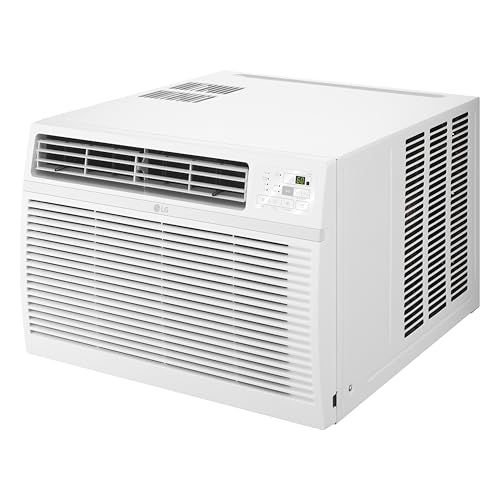
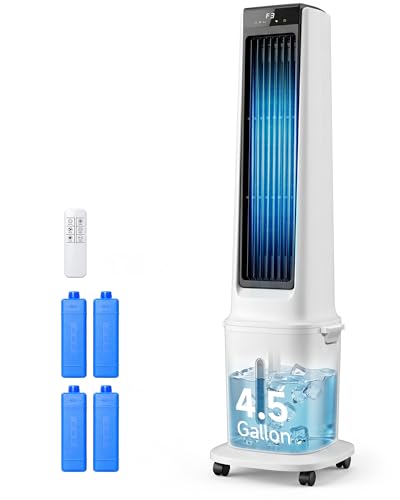
Browse the recommended air conditioning units below, filtered for replacement and supplemental cooling, and check availability on the retailer page.
VIEW RECOMMENDED MODELS