AC Furnace Dripping Water: Causes, Fixes & Prevention
Discover why your AC furnace is leaking water, learn how to diagnose the problem, and find out what you can do to stop it before it causes serious damage to your home.
Start DiagnosingQuick Answer: Water dripping from your AC furnace is almost always caused by a clogged condensate drain line, a full drain pan, a frozen evaporator coil, or a failed condensate pump. Most of these issues can be prevented with regular maintenance and prompt attention to early warning signs.
What You Will Learn on This Page
How Your AC Furnace Produces Water
Before you can fix a dripping AC furnace, it helps to understand why water forms in the first place. An air conditioning system does not just cool the air; it also removes humidity. As warm, moist air passes over the cold evaporator coil, water vapor condenses on the coil, much like condensation forms on a glass of cold water on a warm day.
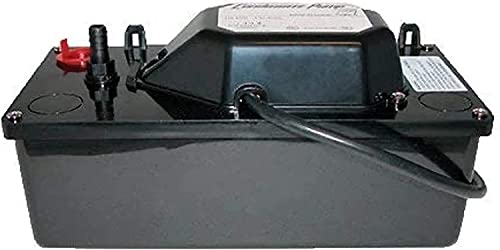
This condensation drips into a drain pan and then flows out through a condensate drain line. In many systems, a condensate pump is used to move the water to a remote drain location. When any part of this water removal system fails, water can back up and leak from the furnace or air handler.
Understanding this process is the first step toward identifying why your unit is dripping. The following sections cover each common failure point in detail. If you are still in the research phase and want to understand your overall system better, you may find our guide on local HVAC services helpful for learning about professional support options.
Common Causes of AC Furnace Water Dripping
1. Clogged Condensate Drain Line
This is the most frequent culprit. Over time, dust, dirt, algae, and biofilm can accumulate inside the drain line, creating a blockage. When the line is blocked, water backs up into the drain pan and eventually overflows onto your floor or into the furnace cabinet.
Signs: Water pooling near the furnace, a drain pan that is full, or water stains on the ceiling below the unit (if installed in an attic or upper floor).
Severity: Medium — can cause water damage if left unchecked, but is usually straightforward to resolve.
2. Full or Overflowing Drain Pan
The drain pan sits beneath the evaporator coil and collects condensation. If the pan is cracked, rusted through, or simply not draining properly, it will overflow. A pan that is too small for the amount of condensation produced can also be a factor in high-humidity climates.
Signs: Visible water in the pan, water stains around the base of the furnace, or rust and corrosion on the pan itself.
Severity: Medium — a damaged pan needs replacement, which is best handled by a technician.
3. Frozen Evaporator Coil
When airflow is restricted or refrigerant levels are low, the evaporator coil can drop below freezing. Ice forms on the coil, and when it melts, the water can overwhelm the drain pan. This is a more serious issue because it often points to underlying problems such as a dirty filter, ductwork issues, or a refrigerant leak.
Signs: Ice visible on the indoor coil or refrigerant lines, reduced cooling performance, or water dripping only after the system has been running for a while.
Severity: High — frozen coils can damage the compressor and should be addressed by a professional.
4. Faulty Condensate Pump
If your system relies on a condensate pump to move water to a distant drain, a failed pump will cause water to back up. Pumps can fail due to electrical issues, clogs, or simply reaching the end of their service life. You can learn more about pump installation in our guide on installing a condensate pump on a mini-split.
Signs: Water in the pan with no discharge, a humming pump that is not moving water, or a pump that runs continuously.
Severity: Medium — pump replacement is a common repair that a technician can handle quickly.
5. Dirty Air Filter
A clogged air filter restricts airflow across the evaporator coil. This can cause the coil to freeze and eventually melt, leading to water overflow. A dirty filter is one of the easiest problems to prevent and one of the most common contributors to water issues.
Signs: A filter that is visibly gray or clogged with dust, reduced airflow from vents, and higher energy consumption.
Severity: Low — simple to fix by replacing the filter.
6. Disconnected or Improperly Sloped Drain Line
The condensate drain line must slope downward toward the drain. If the line is level, sagging, or disconnected, water will not flow properly and can leak from the joints or back up into the unit. Improper installation is often the root cause.
Signs: Water leaking from pipe joints, a drain line that appears loose or angled upward, or water pooling in an unexpected location.
Severity: Medium — may require re-routing or re-securing the line.
7. Cracked Drain Pan or Rusted Through
Older furnaces and air handlers often have metal drain pans that rust over time. Once a hole forms, water will leak directly onto the floor or into the furnace cabinet. Plastic pans can also develop cracks.
Signs: Visible rust or cracks in the pan, water leaking even when the drain line is clear.
Severity: Medium — pan replacement is typically required.
8. Low Refrigerant Charge
A system that is low on refrigerant will run with a coil temperature that is too low, causing ice formation. When the ice melts, water can overflow the pan. This is a symptom of a refrigerant leak, which is a serious issue that requires professional attention.
Signs: Ice on the coil, poor cooling, hissing or bubbling sounds, and water dripping after the system has been running.
Severity: High — refrigerant handling requires a licensed technician.
Important: If water is dripping near electrical components, shut off power to the furnace at the breaker before investigating. Water and electricity are a dangerous combination. If you are unsure how to proceed safely, contact a qualified HVAC professional.
Step-by-Step Diagnosis Guide
Use the following steps to narrow down the cause of your dripping AC furnace. Work through them in order, and stop if you feel unsafe or uncomfortable at any point.
- Turn off the system. Switch off the AC at the thermostat and, if possible, at the circuit breaker. This prevents further water production and reduces the risk of electrical hazards.
- Inspect the air filter. Remove the filter and hold it up to a light. If you cannot see light through it, replace it. A clogged filter is a common and easy-to-fix cause of frozen coils.
- Check the drain pan. Open the access panel to the indoor unit (if it is safe to do so) and look at the drain pan. If it is full of water, the drain line or pump is likely the problem.
- Examine the drain line. Trace the condensate drain line from the pan to its discharge point. Look for kinks, disconnections, or visible blockages. If the line is clear, water should flow freely when you pour a small amount into the pan.
- Look for ice on the coil. If you can see the evaporator coil, check for frost or ice. Ice indicates restricted airflow or low refrigerant. Turn off the system and let it thaw completely before running it again.
- Test the condensate pump (if present). If your system has a pump, check whether it is receiving power and whether it activates when the pan fills. A pump that does not run or does not move water needs attention.
- Check for refrigerant issues. If the coil is frozen and the filter is clean, low refrigerant is a likely cause. This requires a professional to diagnose and repair.
For a broader look at troubleshooting cooling problems, our article on things to check when AC is not cooling provides additional context that may help you rule out other issues.
How to Fix Each Problem
Fixing a Clogged Drain Line
A clogged drain line is one of the few issues you can often resolve yourself. Start by locating the drain line and the access point (often a T-fitting or cap near the indoor unit). You can try the following:
- Use a wet/dry shop vacuum to suction the clog from the end of the drain line.
- Flush the line with a mixture of water and white vinegar to break down algae and biofilm.
- Use a drain brush or a flexible wire to gently dislodge obstructions.
If the clog is stubborn or the line is difficult to access, a technician can use specialized tools to clear it safely.
Cleaning or Replacing the Drain Pan
If the pan is simply dirty, clean it with a mild detergent and water. If it is cracked or rusted through, it should be replaced. Pan replacement is usually a job for a professional, especially if the coil needs to be moved.
Thawing a Frozen Coil
Turn off the system and allow the ice to melt naturally. Do not use a heat gun or sharp tools to chip away ice, as this can damage the coil. Once thawed, replace the air filter and check for airflow restrictions. If the coil freezes again, call a technician to check refrigerant levels and ductwork.
Replacing a Condensate Pump
If the pump is not working, it may be clogged or burned out. Some pumps can be cleaned, but replacement is often the most reliable solution. This is a moderate DIY task for someone comfortable with basic electrical work, but many homeowners prefer to have a technician handle it. Our guide on installing a condensate pump covers the process in more detail.
Addressing Refrigerant Issues
Low refrigerant is not a DIY fix. It requires a licensed technician to locate the leak, repair it, and recharge the system. Attempting to handle refrigerant without proper training is dangerous and illegal in many jurisdictions.
Repairing Drain Line Slope and Connections
If the drain line is sagging or disconnected, it should be re-secured with proper slope toward the drain. Use pipe hangers or clamps to maintain a consistent downward angle. Check that all joints are tight and that the line terminates at an appropriate drain location.
Prevention and Maintenance
Regular maintenance is the best way to prevent water dripping from your AC furnace. The following practices will help keep your condensate system clear and your unit running efficiently:
- Replace the air filter regularly. Check it monthly during peak cooling season and replace it every one to three months, depending on the filter type and household conditions.
- Flush the drain line. Pour a cup of white vinegar into the drain line access point every few months to prevent algae growth.
- Schedule annual professional maintenance. A technician will clean the coil, check the drain pan, test the pump, and verify refrigerant levels. Our guide on maintenance of HVAC system explains what a thorough service includes.
- Keep the area around the indoor unit clean. Dust and debris can find their way into the drain pan and line.
- Monitor humidity levels. In very humid climates, consider a whole-house dehumidifier to reduce the load on your AC and the amount of condensation produced. Our article on whole house evaporative humidifier discusses humidity control options.
- Inspect the drain pan regularly. Look for rust, cracks, or standing water, especially before the cooling season begins.
For a comprehensive seasonal checklist, see our tips and maintenance section.
When to Call a Professional
While some causes of water dripping can be resolved with basic maintenance, others require the expertise and tools of a licensed HVAC technician. Call a professional if:
- You cannot locate or access the source of the leak.
- The evaporator coil is frozen and does not thaw after replacing the filter.
- You suspect a refrigerant leak or low refrigerant charge.
- The drain pan is cracked or rusted through and needs replacement.
- The condensate pump has failed and you are not comfortable replacing it yourself.
- Water has caused visible damage to ceilings, walls, or flooring.
- You notice mold or musty odors near the HVAC system.
If you need help finding a qualified technician, our resources on licensed HVAC professionals and HVAC quotes can guide you toward trustworthy service providers in your area.
Related Water Leak Issues
Water problems in an HVAC system are not limited to the furnace or air handler. Depending on your system configuration, you may encounter similar issues elsewhere. For example, if your indoor unit is in the attic, our article on water in attic air conditioner covers the specific risks and solutions for that setup. Likewise, if you have a central system, central air conditioner leaking water inside provides a broader troubleshooting framework.
Understanding how your system handles condensation is valuable knowledge for any homeowner. The more you know, the faster you can respond when something goes wrong, and the less likely you are to face serious water damage.
Frequently Asked Questions
Need Help With Your Dripping AC Furnace?
If you have checked the basics and the problem persists, it is time to bring in a professional. A licensed technician can diagnose the issue quickly and recommend the right fix.
Find Local HVAC Services